



- 1 pessoas curtiram isso
- 93 Publicações
- 93 fotos
- 0 Vídeos
- 0 Anterior
- Educação

 English
 Arabic
 French
 Spanish
 Portuguese
 Deutsch
 Turkish
 Dutch
Dutch
 Italiano
 Russian
 Romaian
 Greek
Greek
Atualizações recentes
- Why Letting a Car Sit Too Long Can Hurt It
The battery slowly dies
Even when parked, the battery loses charge over time. Leave it too long, and you may come back to a car that won’t start at all.
Tires lose shape
Staying in the same position for weeks can cause flat spots. The next drive may feel bumpy or unstable.
Brakes begin to rust
Moisture builds up on the brake discs, creating rust. This can reduce braking performance or cause annoying noises.
Hoses and seals dry out
Rubber parts need movement and fluid circulation. When the car sits, they can crack, harden, or leak.
Fluids lose effectiveness
Fuel and engine oil degrade with time. Old fuel can cause starting issues, and worn-out oil won’t protect the engine properly.
Relatable mistake: many people think leaving the car parked keeps it “like new.” In reality, cars are built to move, and a short drive every week often keeps them healthier than months of sitting still.Why Letting a Car Sit Too Long Can Hurt It ⏳ 1️⃣ The battery slowly dies Even when parked, the battery loses charge over time. Leave it too long, and you may come back to a car that won’t start at all. 2️⃣ Tires lose shape Staying in the same position for weeks can cause flat spots. The next drive may feel bumpy or unstable. 3️⃣ Brakes begin to rust Moisture builds up on the brake discs, creating rust. This can reduce braking performance or cause annoying noises. 4️⃣ Hoses and seals dry out Rubber parts need movement and fluid circulation. When the car sits, they can crack, harden, or leak. 5️⃣ Fluids lose effectiveness Fuel and engine oil degrade with time. Old fuel can cause starting issues, and worn-out oil won’t protect the engine properly. Relatable mistake: many people think leaving the car parked keeps it “like new.” In reality, cars are built to move, and a short drive every week often keeps them healthier than months of sitting still.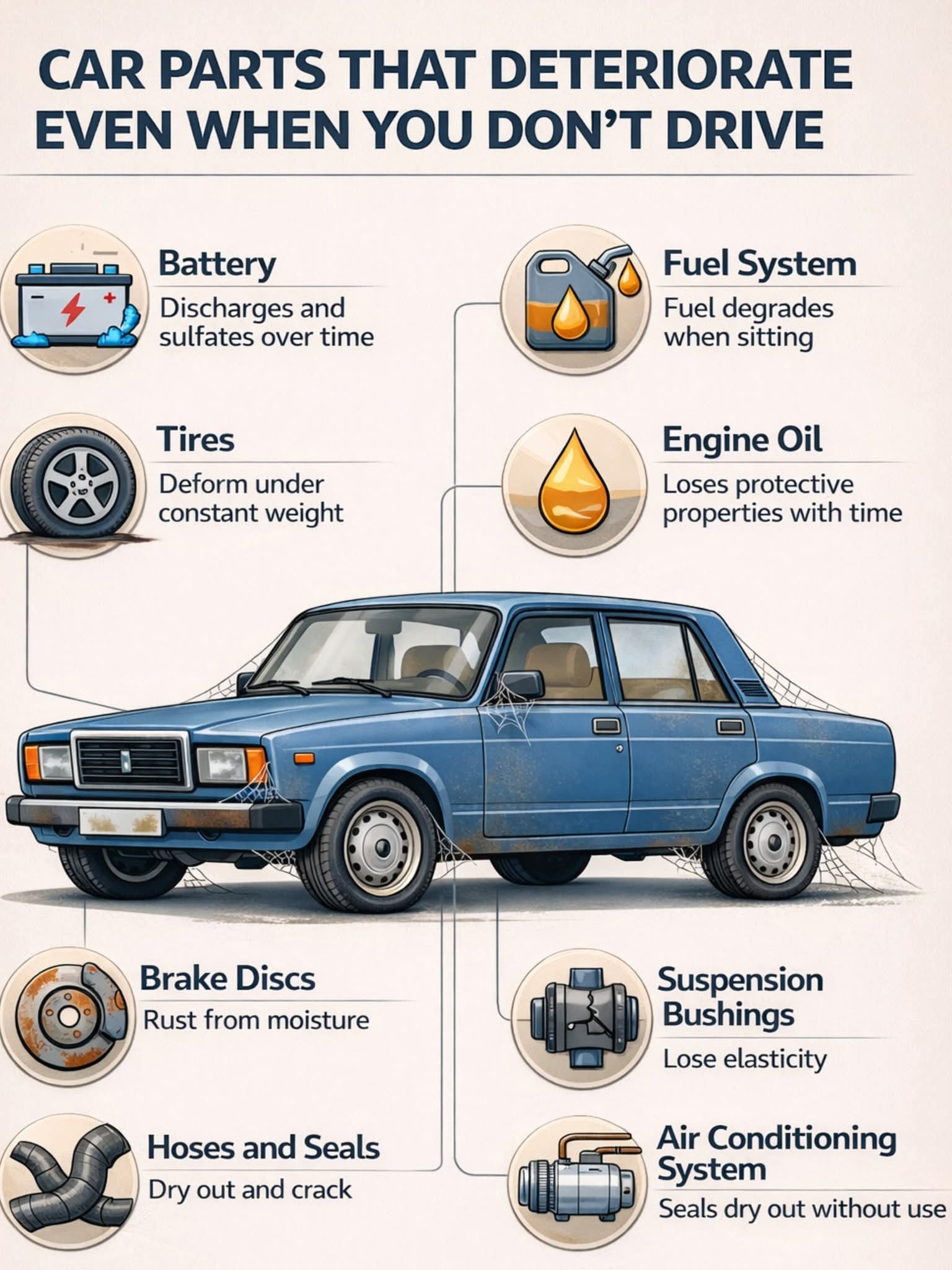 0 Comentários 0 Compartilhamentos 151 Visualizações
 - Texas Like You’ve Never Seen It! Explore the Unique Regions of the Lone Star State
#Texas #LoneStarState🤠 Texas Like You’ve Never Seen It! Explore the Unique Regions of the Lone Star State ⭐ #Texas #LoneStarState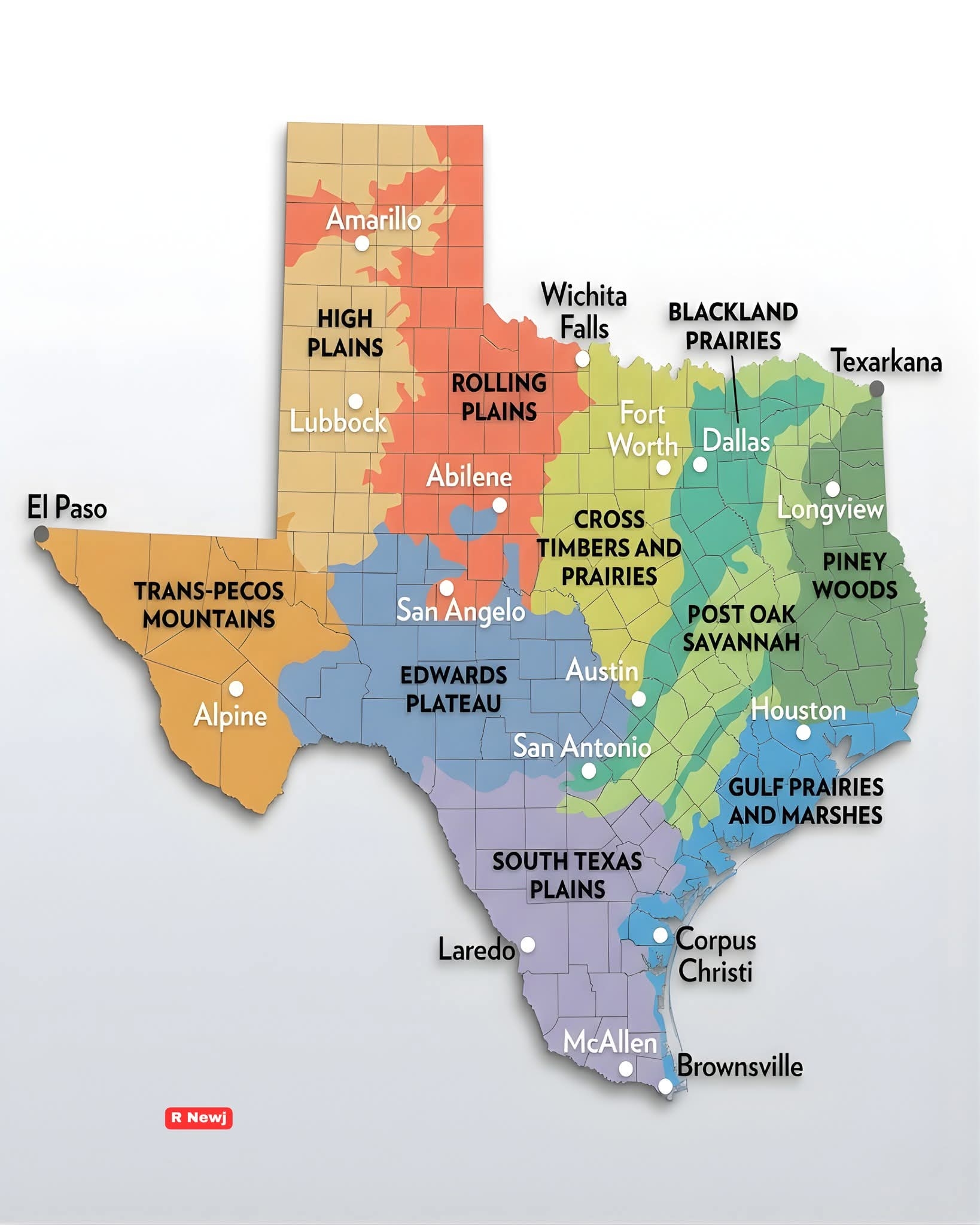 0 Comentários 0 Compartilhamentos 69 Visualizações
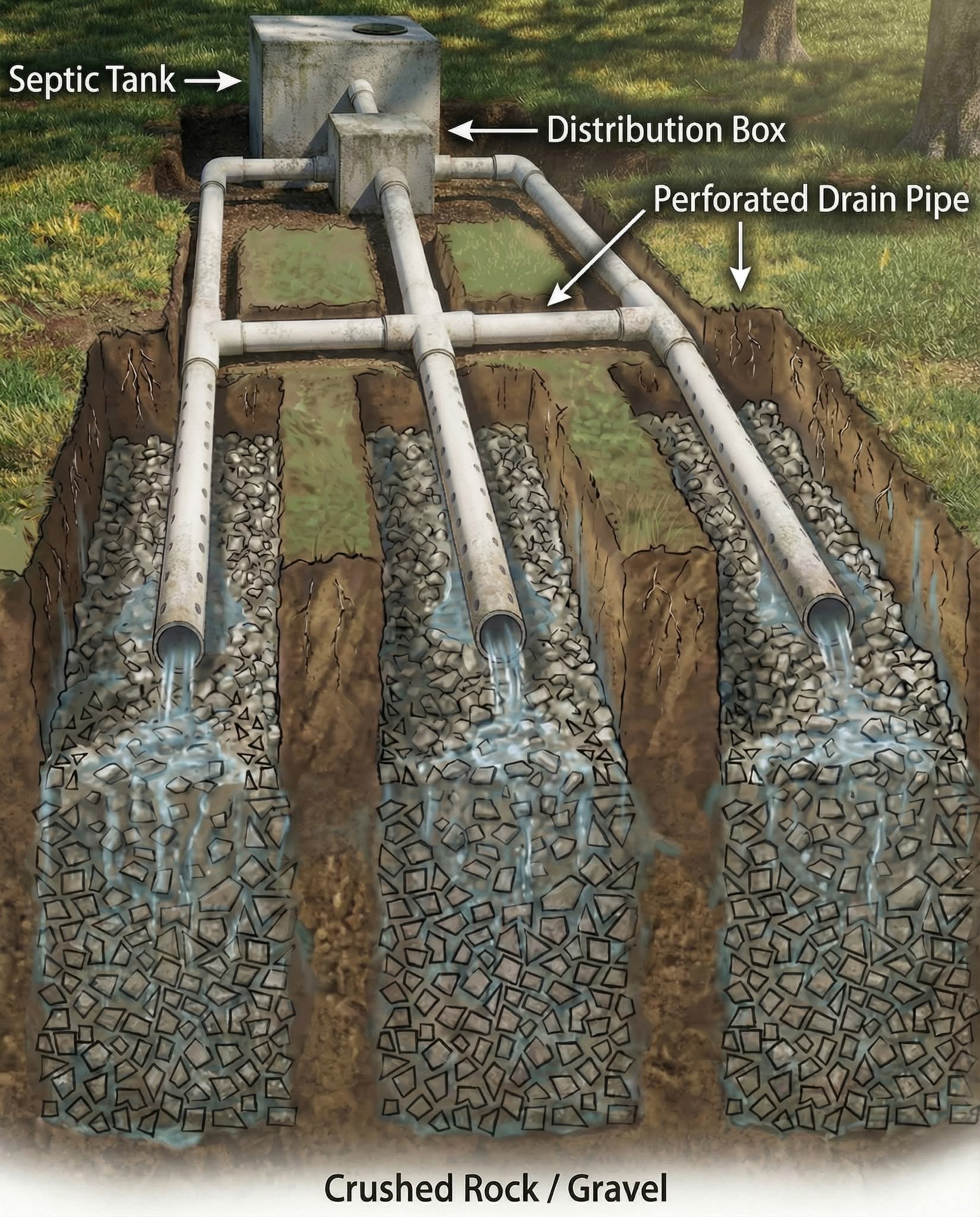
 - How plumbing vents actually work #Plumbing #PlumbingVents
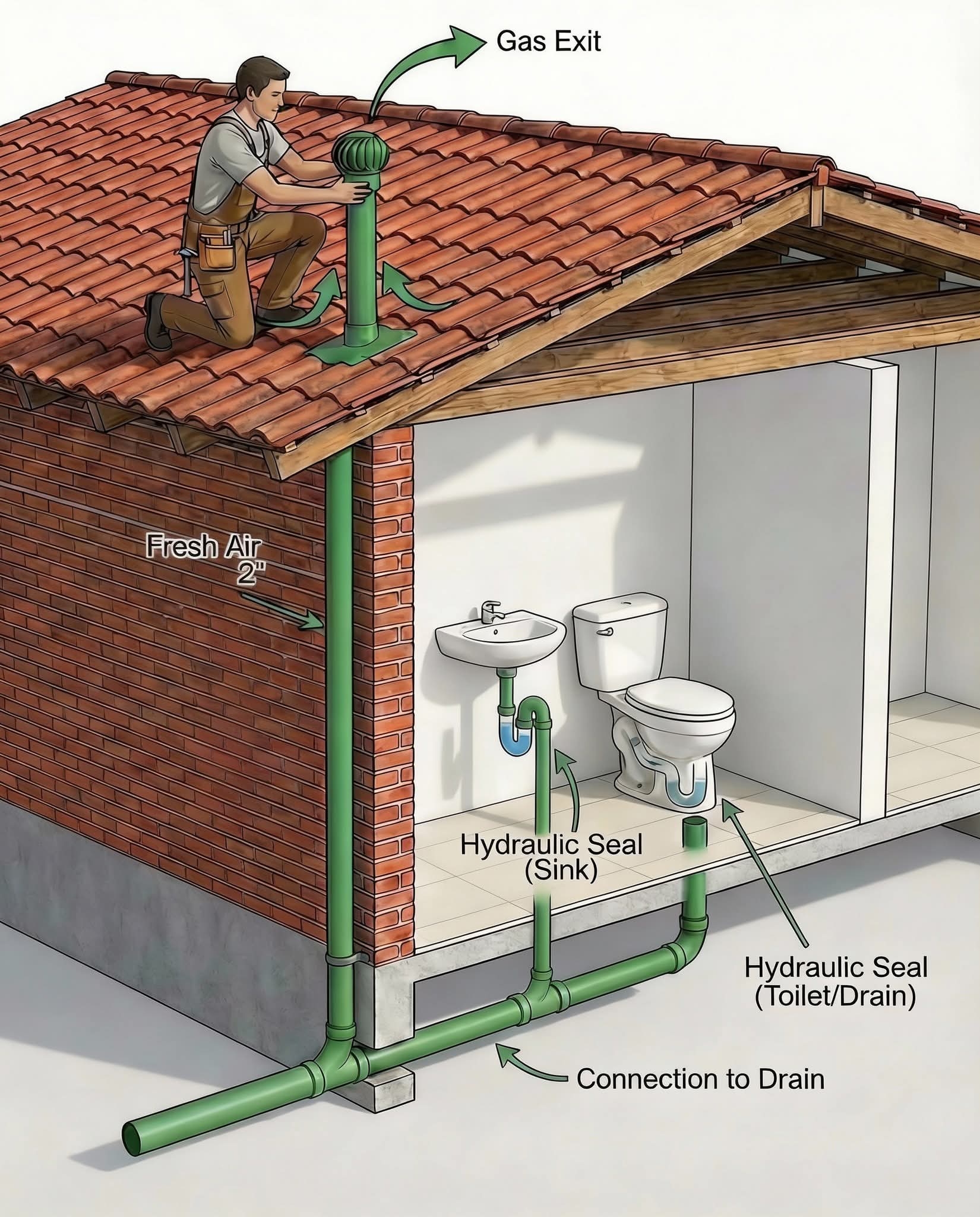 0 Comentários 0 Compartilhamentos 31 Visualizações
 - In the demanding world of industrial mining and heavy construction, tire protection chains serve as an indispensable steel armor for massive earthmovers. These intricately woven mesh systems wrap around the enormous rubber tires to shield them from the jagged, razor-sharp rocks typically found in quarries and underground mines. By acting as a sacrificial barrier, these chains prevent catastrophic punctures and surface tears that could lead to dangerous blowouts or costly operational downtime. Beyond mere protection, they significantly improve the machine's traction and stability on loose or slippery terrain, ensuring that these mechanical giants can operate with precision even in the most hostile environments.
The primary driver behind adopting this technology is the staggering economic reality of heavy-duty equipment maintenance. A single tire for a large loader can command a price tag of tens of thousands of dollars, making any premature failure a significant financial blow to a project. By investing in high-quality steel chains, companies can effectively double or even triple the service life of their tires, transforming a vulnerable high-cost component into a durable long-term asset. This strategic layer of steel not only safeguards the equipment but also ensures a more sustainable and cost-effective workflow by minimizing the need for frequent, expensive replacements in the world’s toughest workspaces.
In the demanding world of industrial mining and heavy construction, tire protection chains serve as an indispensable steel armor for massive earthmovers. These intricately woven mesh systems wrap around the enormous rubber tires to shield them from the jagged, razor-sharp rocks typically found in quarries and underground mines. By acting as a sacrificial barrier, these chains prevent catastrophic punctures and surface tears that could lead to dangerous blowouts or costly operational downtime. Beyond mere protection, they significantly improve the machine's traction and stability on loose or slippery terrain, ensuring that these mechanical giants can operate with precision even in the most hostile environments. The primary driver behind adopting this technology is the staggering economic reality of heavy-duty equipment maintenance. A single tire for a large loader can command a price tag of tens of thousands of dollars, making any premature failure a significant financial blow to a project. By investing in high-quality steel chains, companies can effectively double or even triple the service life of their tires, transforming a vulnerable high-cost component into a durable long-term asset. This strategic layer of steel not only safeguards the equipment but also ensures a more sustainable and cost-effective workflow by minimizing the need for frequent, expensive replacements in the world’s toughest workspaces.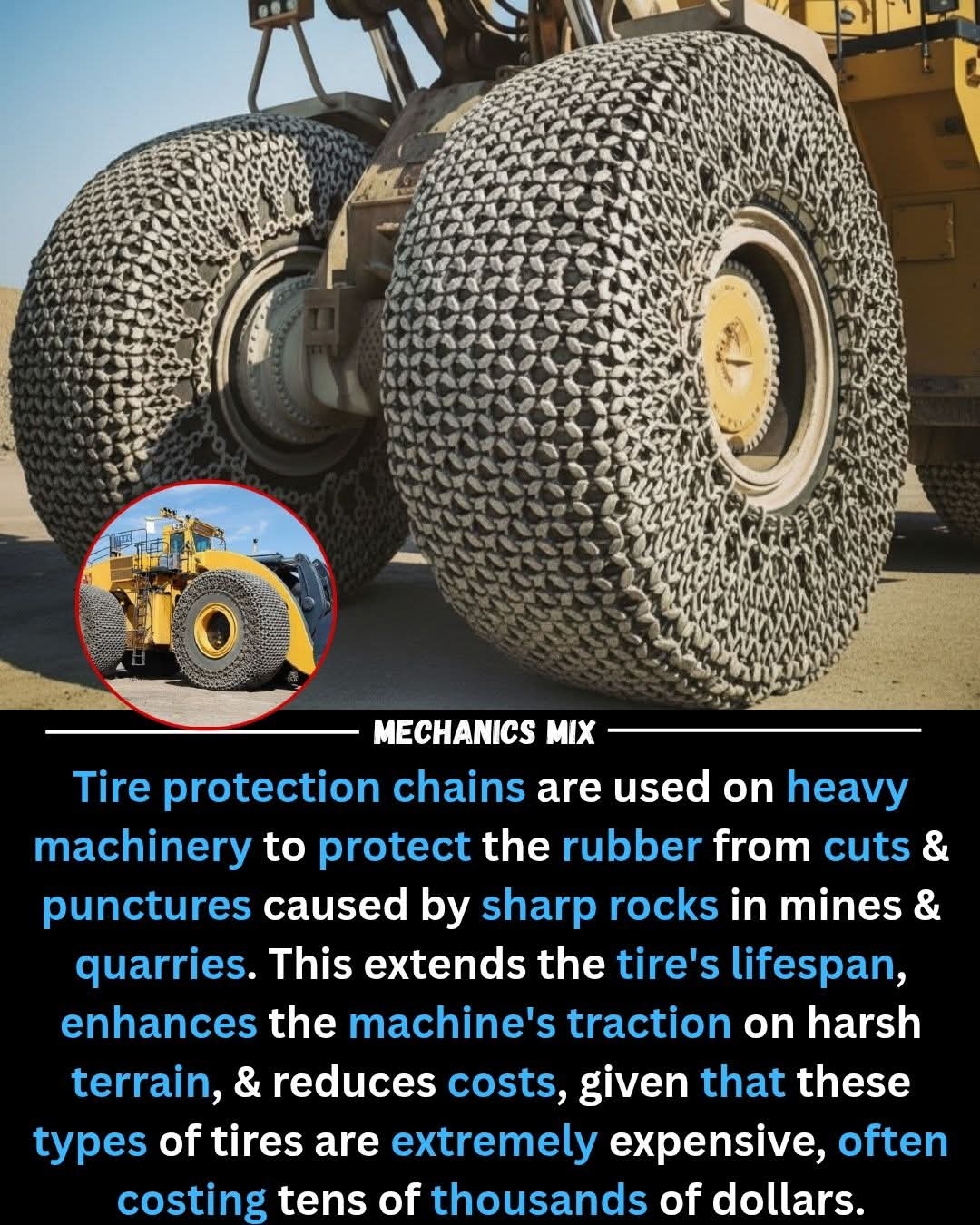 0 Comentários 0 Compartilhamentos 205 Visualizações




Mais stories