


• A telephone shaped like a football. A telephone shaped like a doughnut. A telephone you could see straight through, circuits and all. Before the phone lived in your pocket, it lived in your kitchen, and America had a lot of fun with it.

    It began as furniture. In 1882 the Blake wall telephone was a wooden cabinet you cranked by hand, and you leaned in close to be heard. The elegant candlestick phones that followed had no dial at all. You lifted the receiver and a real human operator asked who you wanted to reach. In 1919, Bell System introduced dial service, allowing many Americans to place calls without speaking to an operator.

    Then came the phone that practically raised a generation: the Model 500 of 1949. Solid, heavy, nearly indestructible, it stayed in production for decades and sat in more American homes than any phone before or since. Its coiled cord got stretched around corners and into closets by teenagers hunting for a little privacy.

    In 1959 the Princess phone charmed the country with the slogan “It’s little, it’s lovely, it lights.” It was actually so lightweight that engineers had to add extra weight inside so it would not slide across the nightstand while you dialed.

    The 1960s pushed buttons, literally. Touch-tone dialing debuted in 1963, the Trimline tucked the dial right into the handset in 1965, and suddenly phones came in avocado green, harvest gold, and cherry red to match the kitchen. By the 1970s and 80s the phone became a toy for grown-ups: the doughnut-shaped Sculptura, the famous football phone that arrived as a magazine subscription gift, the transparent phone that flashed with every ring.

    Then the cord disappeared. Cordless handsets roamed the backyard in the late 80s and 90s, and by 2010 the home phone had learned to link up with the very cell phone that would soon take its place.

    One number for the whole family. One ring that echoed through every room. And everyone racing to answer, because you never knew who it was until you picked up.

    #AmericanNostalgia #VintageAmerica #VintageTelephones #RetroTechnology #RememberWhen
    A telephone shaped like a football. 🏈 A telephone shaped like a doughnut. A telephone you could see straight through, circuits and all. Before the phone lived in your pocket, it lived in your kitchen, and America had a lot of fun with it. ⠀ It began as furniture. In 1882 the Blake wall telephone was a wooden cabinet you cranked by hand, and you leaned in close to be heard. ☎️ The elegant candlestick phones that followed had no dial at all. You lifted the receiver and a real human operator asked who you wanted to reach. In 1919, Bell System introduced dial service, allowing many Americans to place calls without speaking to an operator. ⠀ Then came the phone that practically raised a generation: the Model 500 of 1949. Solid, heavy, nearly indestructible, it stayed in production for decades and sat in more American homes than any phone before or since. Its coiled cord got stretched around corners and into closets by teenagers hunting for a little privacy. 😄 ⠀ In 1959 the Princess phone charmed the country with the slogan “It’s little, it’s lovely, it lights.” It was actually so lightweight that engineers had to add extra weight inside so it would not slide across the nightstand while you dialed. 💗 ⠀ The 1960s pushed buttons, literally. Touch-tone dialing debuted in 1963, the Trimline tucked the dial right into the handset in 1965, and suddenly phones came in avocado green, harvest gold, and cherry red to match the kitchen. By the 1970s and 80s the phone became a toy for grown-ups: the doughnut-shaped Sculptura, the famous football phone that arrived as a magazine subscription gift, the transparent phone that flashed with every ring. ✨ ⠀ Then the cord disappeared. Cordless handsets roamed the backyard in the late 80s and 90s, and by 2010 the home phone had learned to link up with the very cell phone that would soon take its place. 📱 ⠀ One number for the whole family. One ring that echoed through every room. And everyone racing to answer, because you never knew who it was until you picked up. #AmericanNostalgia #VintageAmerica #VintageTelephones #RetroTechnology #RememberWhen
    0 Yorumlar 0 hisse senetleri 1K Views
  • $4,199. That was the original U.S. launch price of Sony’s DCR-VX1000 in 1995, a reminder of just how expensive capturing moving memories could once be.

    Rewind a little further and one of the first consumer camcorders, Sony’s Betamovie BMC-110, arrived in 1983 with a $1,500 price tag. A year later JVC answered with the GR-C1, followed by Panasonic, Sharp, and a growing wave of machines that promised to turn ordinary family moments into memories you could actually replay.

    Then the shrinking began. Camcorders went from bulky machines to compact devices that could fit in one hand. Flip-out screens became standard. Analog tape gave way to MiniDV, DVDs, hard drives, and memory cards. Prices that once reached thousands of dollars gradually fell until the Flip Video Ultra arrived for just $149.99 and made home video easier than ever.

    Put that whole run together and you have the American family album in motion: the shaky zoom toward a birthday cake, the little red REC light glowing in a dark auditorium, the sound of a tape mechanism clicking to life. These weren’t just gadgets. They’re the reason so many first steps, graduations, vacations, and backyard pool jumps can still be watched today.

    The technology kept getting smaller and sharper, but the job never changed.
    Press the button. Hold the moment. Keep it forever.

    #AmericanNostalgia #VintageCamcorders #HomeVideo #90s #VintageTechnology
    $4,199. 📼 That was the original U.S. launch price of Sony’s DCR-VX1000 in 1995, a reminder of just how expensive capturing moving memories could once be. Rewind a little further and one of the first consumer camcorders, Sony’s Betamovie BMC-110, arrived in 1983 with a $1,500 price tag. 🎥 A year later JVC answered with the GR-C1, followed by Panasonic, Sharp, and a growing wave of machines that promised to turn ordinary family moments into memories you could actually replay. Then the shrinking began. Camcorders went from bulky machines to compact devices that could fit in one hand. 📷 Flip-out screens became standard. Analog tape gave way to MiniDV, DVDs, hard drives, and memory cards. Prices that once reached thousands of dollars gradually fell until the Flip Video Ultra arrived for just $149.99 and made home video easier than ever. Put that whole run together and you have the American family album in motion: the shaky zoom toward a birthday cake, the little red REC light glowing in a dark auditorium, the sound of a tape mechanism clicking to life. 🎬 These weren’t just gadgets. They’re the reason so many first steps, graduations, vacations, and backyard pool jumps can still be watched today. The technology kept getting smaller and sharper, but the job never changed. Press the button. Hold the moment. Keep it forever. ❤️ #AmericanNostalgia #VintageCamcorders #HomeVideo #90s #VintageTechnology
    0 Yorumlar 0 hisse senetleri 1K Views
  • https://www.vice.com/en/article/4-of-the-greatest-hip-hop-movie-soundtracks-of-the-90s/
    https://www.vice.com/en/article/4-of-the-greatest-hip-hop-movie-soundtracks-of-the-90s/
    WWW.VICE.COM
    4 of the Greatest Hip-Hop Movie Soundtracks of the 90s
    Noisey selects four of the greatest hip-hop movie soundtracks of the 90s, arguably the golden age for Black cinema and rap alike.
    0 Yorumlar 0 hisse senetleri 311 Views
  • Some roles just stick forever and this one stamped her name

    Lisa Raye still tied to Diamond to this day, you think thats iconic or it boxed her in

    Be real what you think?

    #LisaRaye
    #Rnb
    #90s
    #Classic
    #Diamond
    Some roles just stick forever and this one stamped her name Lisa Raye still tied to Diamond to this day, you think thats iconic or it boxed her in Be real what you think? #LisaRaye #Rnb #90s #Classic #Diamond
    0 Yorumlar 0 hisse senetleri 3K Views
  • Automobile tires have undergone a remarkable transformation over the last century, evolving from simple rubber coverings into highly engineered components critical for safety, comfort, performance, and efficiency. This evolution reflects changes in vehicle design, road conditions, driving speeds, and advances in material science.

    In the early 1900s and 1920s, tires were narrow, tall, and often mounted on spoked wheels. These early tyres were made from natural rubber with cotton fabric plies and had smooth or lightly grooved surfaces. They were designed mainly to cope with rough, unpaved roads and low vehicle speeds. Durability was limited, punctures were common, and ride comfort was basic. Bias-ply construction dominated this era, where fabric layers were laid diagonally across each other, making tires stiff and prone to heat buildup.

    By the 1930s and 1940s, tire designs became slightly wider and stronger. Rubber compounds improved, and tread patterns became more defined to enhance grip on wet and muddy roads. During this period, vehicles grew heavier and faster, especially due to wartime engineering advances, pushing tire manufacturers to focus more on load capacity and reliability.

    The 1950s marked a major visual and technical shift with the introduction of whitewall tyres, symbolizing style and luxury. More importantly, tire construction continued to improve, offering better comfort and longer life. In the late 1940s and 1950s, radial tire technology was developed, though it gained widespread adoption slightly later. Radial tires used steel belts laid perpendicular to the direction of travel, significantly improving grip, fuel efficiency, and tread life.

    During the 1960s and 1970s, radial tires became mainstream globally. Tires grew wider, and tread designs became more aggressive to support higher speeds and better cornering. Performance-oriented tires emerged alongside off-road and all-terrain tires, reflecting the rise of sports cars and utility vehicles. Safety, heat resistance, and handling became central design goals.

    By the 1980s and 1990s, tire technology advanced rapidly. Low-profile tyres paired with alloy wheels became popular, improving handling and aesthetics. Rubber compounds were enhanced using synthetic materials, silica, and carbon black to balance grip, durability, and rolling resistance. Specialized tires such as winter tires, high-performance summer tires, and touring tires became common, each designed for specific driving conditions.

    From the 2000s onward, tires evolved into highly specialized, technology-driven products. Modern tires feature advanced tread patterns for noise reduction, water dispersion, and improved braking. Run-flat tires allow limited driving even after punctures, while tubeless designs became standard for safety and convenience. Sensors for tire pressure monitoring systems (TPMS) were integrated to enhance safety.

    Today, tires are engineered with sustainability and efficiency in mind. There are eco-friendly tires designed to reduce rolling resistance and improve electric vehicle range, ultra-high-performance tires for sports cars, all-season tires for everyday use, off-road and mud-terrain tires for extreme conditions, and smart tires being developed with embedded sensors to monitor wear, temperature, and road conditions in real time.

    From simple rubber rings to intelligent, high-performance components, tire evolution mirrors the progress of the automobile itself focused on safety, efficiency, comfort, and innovation.

    #TireEvolution #AutomobileHistory #CarTechnology #RadialTires #VehicleSafety #AutomotiveEngineering #ModernTires #MobilityInnovation #Cars #Tire
    Automobile tires have undergone a remarkable transformation over the last century, evolving from simple rubber coverings into highly engineered components critical for safety, comfort, performance, and efficiency. This evolution reflects changes in vehicle design, road conditions, driving speeds, and advances in material science. In the early 1900s and 1920s, tires were narrow, tall, and often mounted on spoked wheels. These early tyres were made from natural rubber with cotton fabric plies and had smooth or lightly grooved surfaces. They were designed mainly to cope with rough, unpaved roads and low vehicle speeds. Durability was limited, punctures were common, and ride comfort was basic. Bias-ply construction dominated this era, where fabric layers were laid diagonally across each other, making tires stiff and prone to heat buildup. By the 1930s and 1940s, tire designs became slightly wider and stronger. Rubber compounds improved, and tread patterns became more defined to enhance grip on wet and muddy roads. During this period, vehicles grew heavier and faster, especially due to wartime engineering advances, pushing tire manufacturers to focus more on load capacity and reliability. The 1950s marked a major visual and technical shift with the introduction of whitewall tyres, symbolizing style and luxury. More importantly, tire construction continued to improve, offering better comfort and longer life. In the late 1940s and 1950s, radial tire technology was developed, though it gained widespread adoption slightly later. Radial tires used steel belts laid perpendicular to the direction of travel, significantly improving grip, fuel efficiency, and tread life. During the 1960s and 1970s, radial tires became mainstream globally. Tires grew wider, and tread designs became more aggressive to support higher speeds and better cornering. Performance-oriented tires emerged alongside off-road and all-terrain tires, reflecting the rise of sports cars and utility vehicles. Safety, heat resistance, and handling became central design goals. By the 1980s and 1990s, tire technology advanced rapidly. Low-profile tyres paired with alloy wheels became popular, improving handling and aesthetics. Rubber compounds were enhanced using synthetic materials, silica, and carbon black to balance grip, durability, and rolling resistance. Specialized tires such as winter tires, high-performance summer tires, and touring tires became common, each designed for specific driving conditions. From the 2000s onward, tires evolved into highly specialized, technology-driven products. Modern tires feature advanced tread patterns for noise reduction, water dispersion, and improved braking. Run-flat tires allow limited driving even after punctures, while tubeless designs became standard for safety and convenience. Sensors for tire pressure monitoring systems (TPMS) were integrated to enhance safety. Today, tires are engineered with sustainability and efficiency in mind. There are eco-friendly tires designed to reduce rolling resistance and improve electric vehicle range, ultra-high-performance tires for sports cars, all-season tires for everyday use, off-road and mud-terrain tires for extreme conditions, and smart tires being developed with embedded sensors to monitor wear, temperature, and road conditions in real time. From simple rubber rings to intelligent, high-performance components, tire evolution mirrors the progress of the automobile itself focused on safety, efficiency, comfort, and innovation. #TireEvolution #AutomobileHistory #CarTechnology #RadialTires #VehicleSafety #AutomotiveEngineering #ModernTires #MobilityInnovation #Cars #Tire
    0 Yorumlar 0 hisse senetleri 15K Views
  • Robert Downey Jr. photographed after being sentenced to 3 years in prison for possession of cocaine, heroin and a gun, 1999.

    In 1999, actor Robert Downey Jr. appeared in court wearing an orange jumpsuit, his once-glamorous career in ruins. The photo captured the lowest point of a man once hailed as one of Hollywood’s most gifted talents. After a string of arrests for drug possession in the late 1990s, Downey was sentenced to three years in prison following multiple violations of his probation.

    His descent mirrored a decade of personal chaos, addiction, relapses, and tabloid scrutiny that made him a cautionary tale about fame and self-destruction. But it wasn’t the end. After serving his sentence and struggling through recovery, Downey returned to acting in the early 2000s, rebuilding his reputation role by role.

    Less than a decade after this photo, he would reemerge as Tony Stark in Iron Man (2008), launching the Marvel Cinematic Universe and one of the greatest career comebacks in Hollywood history.

    Added Fact: In 2008, Time magazine named Robert Downey Jr. one of the 100 most influential people in the world — less than ten years after his release from prison.
    Robert Downey Jr. photographed after being sentenced to 3 years in prison for possession of cocaine, heroin and a gun, 1999. In 1999, actor Robert Downey Jr. appeared in court wearing an orange jumpsuit, his once-glamorous career in ruins. The photo captured the lowest point of a man once hailed as one of Hollywood’s most gifted talents. After a string of arrests for drug possession in the late 1990s, Downey was sentenced to three years in prison following multiple violations of his probation. His descent mirrored a decade of personal chaos, addiction, relapses, and tabloid scrutiny that made him a cautionary tale about fame and self-destruction. But it wasn’t the end. After serving his sentence and struggling through recovery, Downey returned to acting in the early 2000s, rebuilding his reputation role by role. Less than a decade after this photo, he would reemerge as Tony Stark in Iron Man (2008), launching the Marvel Cinematic Universe and one of the greatest career comebacks in Hollywood history. Added Fact: In 2008, Time magazine named Robert Downey Jr. one of the 100 most influential people in the world — less than ten years after his release from prison.
    0 Yorumlar 0 hisse senetleri 7K Views
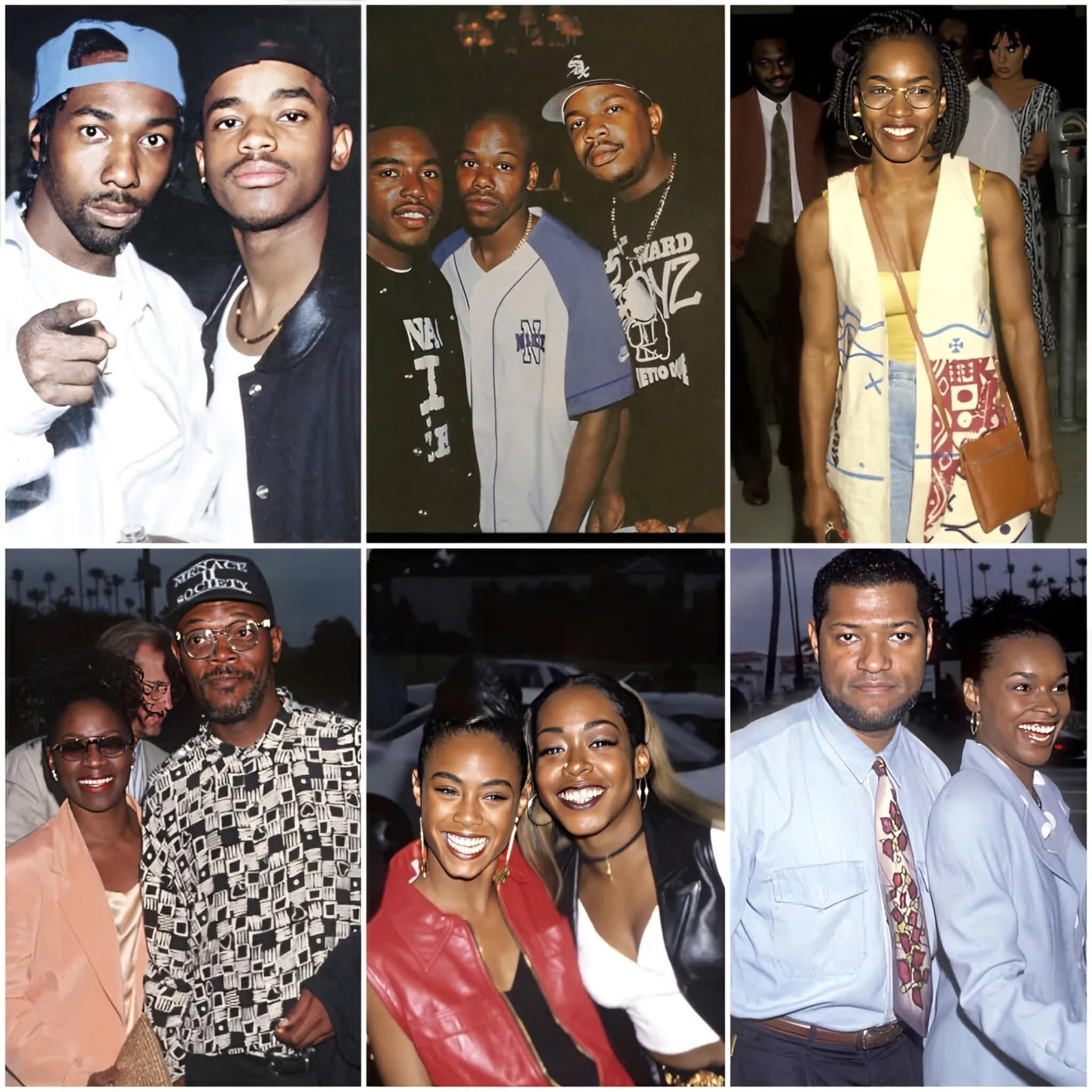
  • Premiere of “Menace ll Society” (1993) in Beverly Hills, California.
    Directed by brothers Allen and Albert Hughes
    Photographed by Ron Galella

    _________________________________
    #menace2society
    #90s #hughesbrothers
    #90sthrowback
    Premiere of “Menace ll Society” (1993) in Beverly Hills, California. Directed by brothers Allen and Albert Hughes Photographed by Ron Galella _________________________________ #menace2society #90s #hughesbrothers #90sthrowback
    0 Yorumlar 0 hisse senetleri 11K Views
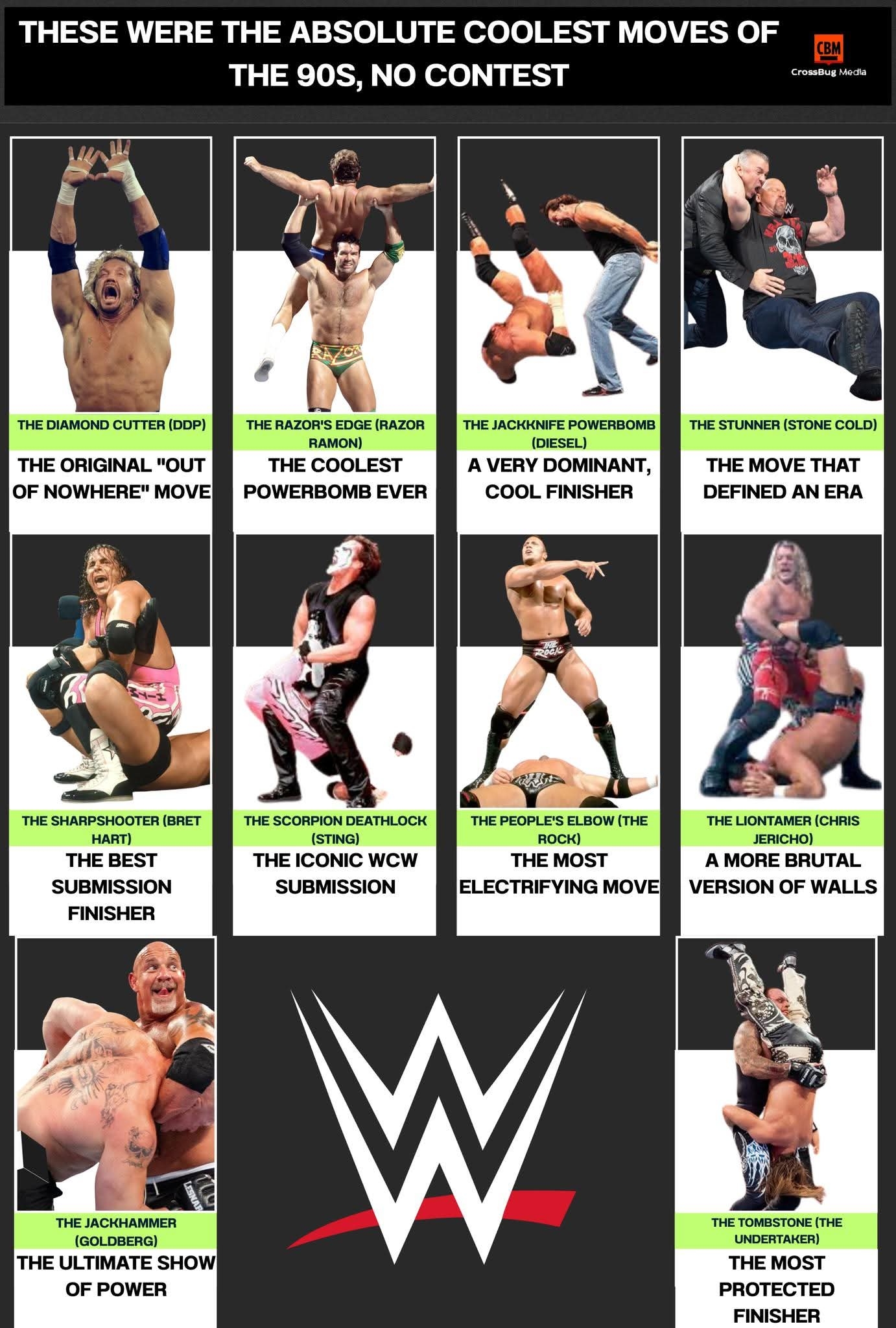
  • These Were the Absolute Coolest Moves of the 90s, No Contest

    The 90s gave us some of the most iconic finishers in wrestling history. Moves that defined legends, eras, and pure attitude.

    The Diamond Cutter (DDP)

    The original "out of nowhere" move that could end a match instantly.

    The Razor's Edge (Razor Ramon)

    The smoothest and coolest powerbomb variation of its time.

    The Jackknife Powerbomb (Kevin Nash)

    A dominant finisher that showcased pure strength and intimidation.

    The Stunner (Stone Cold)

    The move that defined the Attitude Era and popped every crowd.

    The Sharpshooter (Bret Hart)

    The ultimate submission hold — technical, painful, and iconic.

    The Scorpion Deathlock (Sting)

    WCW’s answer to the Sharpshooter — just as legendary.

    The People’s Elbow (The Rock)

    The most electrifying move in sports entertainment.

    The Liontamer (Chris Jericho)

    A brutal twist on the Walls of Jericho that looked devastating.

    The Jackhammer (Goldberg)

    A perfect blend of strength and speed, pure dominance.

    The Tombstone (The Undertaker)

    The most protected finisher ever — once it hit, it was over.

    #WWE #WCW #WrestlingMoves #90sWrestling #AttitudeEra
    💥 These Were the Absolute Coolest Moves of the 90s, No Contest The 90s gave us some of the most iconic finishers in wrestling history. Moves that defined legends, eras, and pure attitude. 💎 The Diamond Cutter (DDP) The original "out of nowhere" move that could end a match instantly. 🪓 The Razor's Edge (Razor Ramon) The smoothest and coolest powerbomb variation of its time. ⚡ The Jackknife Powerbomb (Kevin Nash) A dominant finisher that showcased pure strength and intimidation. 🍻 The Stunner (Stone Cold) The move that defined the Attitude Era and popped every crowd. 🎯 The Sharpshooter (Bret Hart) The ultimate submission hold — technical, painful, and iconic. 🦂 The Scorpion Deathlock (Sting) WCW’s answer to the Sharpshooter — just as legendary. 🤘 The People’s Elbow (The Rock) The most electrifying move in sports entertainment. 🦁 The Liontamer (Chris Jericho) A brutal twist on the Walls of Jericho that looked devastating. 🏋️ The Jackhammer (Goldberg) A perfect blend of strength and speed, pure dominance. ⚰️ The Tombstone (The Undertaker) The most protected finisher ever — once it hit, it was over. #WWE #WCW #WrestlingMoves #90sWrestling #AttitudeEra
    0 Yorumlar 0 hisse senetleri 12K Views
  • Big Ed – The Assassin

    On September 1, 1998, No Limit soldier Big Ed released his debut album The Assassin under Master P’s legendary No Limit Records.

    Part of the golden era of the tank, the album featured appearances from Master P, Snoop Dogg, Silkk the Shocker, C-Murder, Mia X, and more — showcasing the full No Limit roster’s strength at the time. With its gritty Southern beats, military-inspired production, and raw street energy, The Assassin stood as one of the many projects that kept No Limit dominating the late ’90s charts.

    While Big Ed didn’t achieve the mainstream fame of some of his labelmates, The Assassin remains a true piece of No Limit history, reflecting the label’s relentless output and influence.
    Big Ed – The Assassin On September 1, 1998, No Limit soldier Big Ed released his debut album The Assassin under Master P’s legendary No Limit Records. Part of the golden era of the tank, the album featured appearances from Master P, Snoop Dogg, Silkk the Shocker, C-Murder, Mia X, and more — showcasing the full No Limit roster’s strength at the time. With its gritty Southern beats, military-inspired production, and raw street energy, The Assassin stood as one of the many projects that kept No Limit dominating the late ’90s charts. 💿 While Big Ed didn’t achieve the mainstream fame of some of his labelmates, The Assassin remains a true piece of No Limit history, reflecting the label’s relentless output and influence.
    0 Yorumlar 0 hisse senetleri 5K Views
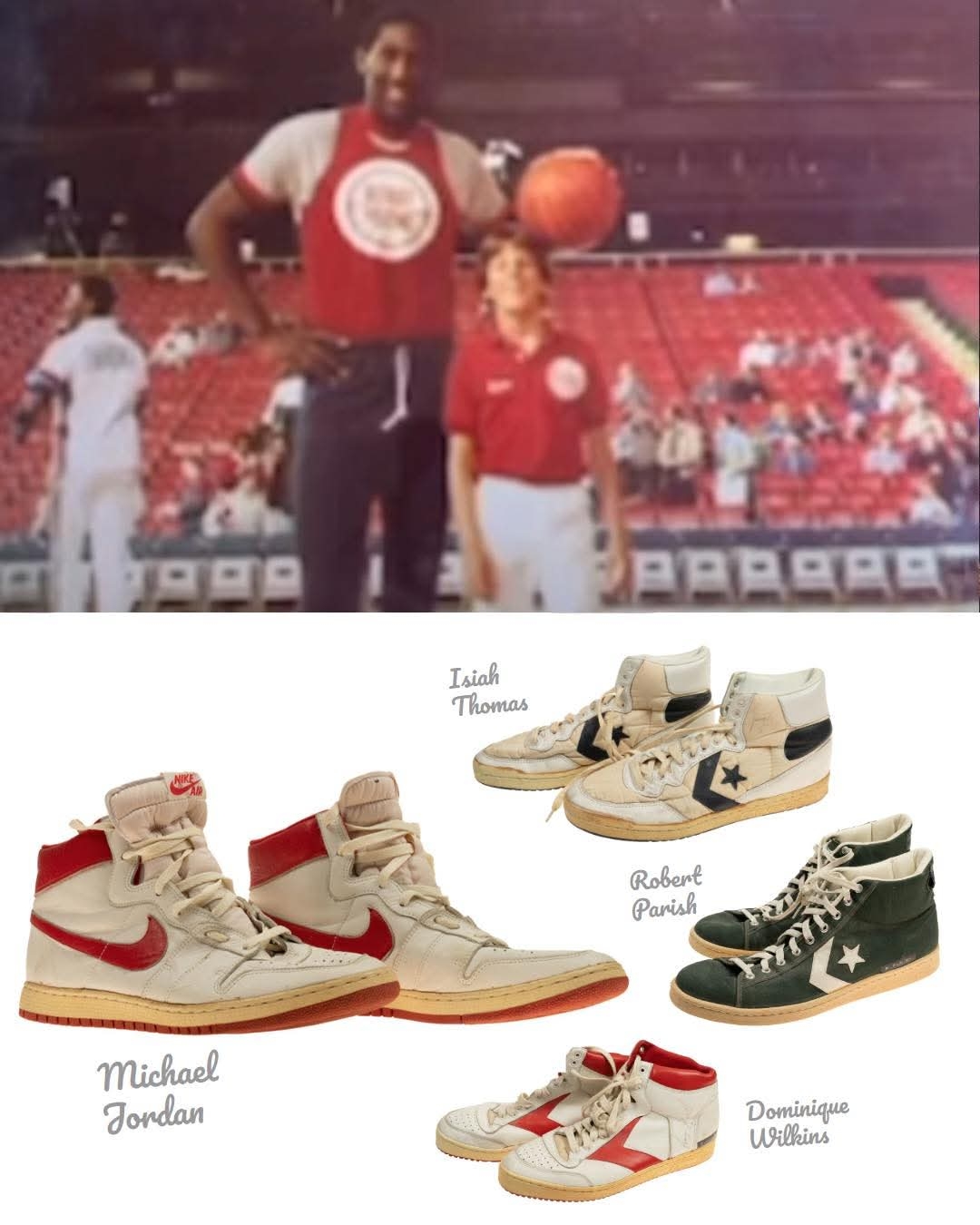
  • This ball boy built an insane collection of game-worn sneakers in the 80’s

    In 2023, a pair of Michael Jordan’s signed 1984 Nike Air Ships - the sneakers he wore as a rookie before the Air Jordan 1 - sold for $282,000 at auction.

    They came from the collection of Jason Edelmann, a Detroit Pistons ball boy in the mid-’80s and early ’90s, who spent years constantly asking NBA stars for their game-worn shoes.

    Players like Jordan, Isiah Thomas, Dominique Wilkins, and Robert Parish handed over pairs, often signed, simply because Edelmann asked. Jordan even teased him once, saying, “What are you gonna do with them, put plants in them?” before giving him his Air Ships.

    In total, 13 pairs from Edelmann’s vault went to auction, and while the prices of the other pairs were not made public, his collection proves that if you don’t ask, you don’t get.
    This ball boy built an insane collection of game-worn sneakers in the 80’s In 2023, a pair of Michael Jordan’s signed 1984 Nike Air Ships - the sneakers he wore as a rookie before the Air Jordan 1 - sold for $282,000 at auction. They came from the collection of Jason Edelmann, a Detroit Pistons ball boy in the mid-’80s and early ’90s, who spent years constantly asking NBA stars for their game-worn shoes. Players like Jordan, Isiah Thomas, Dominique Wilkins, and Robert Parish handed over pairs, often signed, simply because Edelmann asked. Jordan even teased him once, saying, “What are you gonna do with them, put plants in them?” before giving him his Air Ships. In total, 13 pairs from Edelmann’s vault went to auction, and while the prices of the other pairs were not made public, his collection proves that if you don’t ask, you don’t get.
    0 Yorumlar 0 hisse senetleri 4K Views
Arama Sonuçları