

• How to Make a Simple Survival Water Filter

    INTRODUCTION

    A homemade filter can help remove dirt and larger particles, but it does not reliably make water safe to drink. Always disinfect filtered water before drinking.

    1. CHOOSE A CONTAINER

    Use a Clean Bottle
    Cut the bottom from a plastic bottle and turn it upside down to create a simple filter chamber.

    2. ADD A CLOTH LAYER

    Start With Fine Material
    Place clean cloth or similar material at the narrow opening to help prevent filter layers from escaping.

    3. ADD CHARCOAL

    Reduce Some Impurities
    Use clean, untreated charcoal as a middle layer to help improve the water's appearance and reduce some odors.

    4. ADD SAND

    Trap Fine Particles
    Place a layer of clean fine sand above the charcoal to catch smaller suspended particles.

    5. ADD GRAVEL

    Create a Coarse Layer
    Use clean gravel or small stones at the top to catch larger debris before water reaches the finer layers.

    6. POUR WATER SLOWLY

    Let the Filter Work
    Pour untreated water gradually through the layers and collect the filtered water in a clean container.

    7. DISINFECT BEFORE DRINKING

    Filtering Is Not Enough
    Boil or otherwise properly disinfect the filtered water before consumption to reduce harmful microorganisms.

    WILDERNESS TIPS

    Use the clearest available water source when possible.

    Never assume clear water is automatically safe.

    Keep your filter materials as clean as possible.

    Discard the first filtered water if it contains excessive sediment.

    Store treated water in a clean, covered container.

    A commercial water filter or purifier is generally more reliable when available.

    BONUS TIP

    CLEAR WATER DOES NOT MEAN SAFE WATER.

    A homemade filter mainly improves clarity and removes particles. For drinking water, always follow it with a reliable disinfection method.

    SURVIVAL SECRETS

    Prepare. Survive. Thrive.

    #WaterFilter #WaterPurification #SurvivalSkills #SurvivalTips #WildernessSurvival #EmergencyWater #OutdoorSurvival #Bushcraft #WildernessSkills #EmergencyPreparedness #SurvivalGuide #BackcountrySurvival #WaterSafety #OutdoorSkills #Preparedness #SelfReliance #SurvivalSecrets #PrepareSurviveThrive #LearnSurvival
    💧 How to Make a Simple Survival Water Filter INTRODUCTION A homemade filter can help remove dirt and larger particles, but it does not reliably make water safe to drink. Always disinfect filtered water before drinking. 1. CHOOSE A CONTAINER Use a Clean Bottle Cut the bottom from a plastic bottle and turn it upside down to create a simple filter chamber. 2. ADD A CLOTH LAYER Start With Fine Material Place clean cloth or similar material at the narrow opening to help prevent filter layers from escaping. 3. ADD CHARCOAL Reduce Some Impurities Use clean, untreated charcoal as a middle layer to help improve the water's appearance and reduce some odors. 4. ADD SAND Trap Fine Particles Place a layer of clean fine sand above the charcoal to catch smaller suspended particles. 5. ADD GRAVEL Create a Coarse Layer Use clean gravel or small stones at the top to catch larger debris before water reaches the finer layers. 6. POUR WATER SLOWLY Let the Filter Work Pour untreated water gradually through the layers and collect the filtered water in a clean container. 7. DISINFECT BEFORE DRINKING Filtering Is Not Enough Boil or otherwise properly disinfect the filtered water before consumption to reduce harmful microorganisms. 🌲 WILDERNESS TIPS Use the clearest available water source when possible. Never assume clear water is automatically safe. Keep your filter materials as clean as possible. Discard the first filtered water if it contains excessive sediment. Store treated water in a clean, covered container. A commercial water filter or purifier is generally more reliable when available. ⚡ BONUS TIP CLEAR WATER DOES NOT MEAN SAFE WATER. A homemade filter mainly improves clarity and removes particles. For drinking water, always follow it with a reliable disinfection method. 💧 SURVIVAL SECRETS Prepare. Survive. Thrive. #WaterFilter #WaterPurification #SurvivalSkills #SurvivalTips #WildernessSurvival #EmergencyWater #OutdoorSurvival #Bushcraft #WildernessSkills #EmergencyPreparedness #SurvivalGuide #BackcountrySurvival #WaterSafety #OutdoorSkills #Preparedness #SelfReliance #SurvivalSecrets #PrepareSurviveThrive #LearnSurvival
    0 التعليقات 0 المشاركات 109 مشاهدة
  • HOW TO MAKE A SURVIVAL BED IN THE FOREST

    A survival bed keeps your body off the cold, damp ground, helping conserve warmth, energy, and comfort during an overnight stay in the wilderness.

    1. CHOOSE A SAFE SPOT

    Find level, dry ground away from dead trees, rocks, steep slopes, and flood-prone areas.

    2. CLEAR THE GROUND

    Remove sharp branches, rocks, debris, and anything that could make the sleeping area uncomfortable or unsafe.

    3. BUILD THE FRAME

    Use sturdy logs or branches to create a raised frame. Keep it several inches above the ground.

    4. ADD SUPPORT SLATS

    Place smaller branches across the frame to create a stable and even sleeping surface.

    5. ADD INSULATION

    Cover the frame with a thick layer of dry leaves, grass, pine needles, or evergreen branches.

    6. ADD A SOFT TOP LAYER

    Add more dry natural material to improve comfort and help retain body heat.

    7. PROTECT FROM THE ELEMENTS

    Combine the bed with natural cover or a simple shelter to protect yourself from rain, wind, and cold.

    8. CHECK BEFORE SLEEPING

    Test the structure for stability and make sure it is dry, comfortable, and free from hazards.

    WILDERNESS TIPS

    Keep your sleeping area away from rivers and drainage paths.

    Check natural materials for insects before using them.

    Keep your clothing and survival gear dry.

    Add extra insulation when temperatures drop.

    Avoid building beneath unstable or dead trees.

    Build your sleeping system before darkness arrives.

    BONUS TIP

    A GOOD NIGHT'S REST CAN SAVE YOUR LIFE.

    Cold, moisture, and exhaustion can quickly reduce your ability to make good decisions. A warm, dry, elevated sleeping bed helps conserve energy so you can stay stronger and more alert the next day.

    SURVIVAL SECRETS

    Prepare. Survive. Thrive.

    #SurvivalBed #WildernessSurvival #SurvivalSkills #SurvivalTips #Bushcraft #OutdoorSurvival #WildernessSkills #EmergencyShelter #BushcraftSkills #CampingSkills #BackcountrySurvival #OutdoorSkills #SurvivalGuide #Preparedness #SelfReliance #SurvivalSecrets #PrepareSurviveThrive #LearnSurvival #ForestSurvival #WildernessLiving
    🏕️ HOW TO MAKE A SURVIVAL BED IN THE FOREST A survival bed keeps your body off the cold, damp ground, helping conserve warmth, energy, and comfort during an overnight stay in the wilderness. 1. CHOOSE A SAFE SPOT Find level, dry ground away from dead trees, rocks, steep slopes, and flood-prone areas. 2. CLEAR THE GROUND Remove sharp branches, rocks, debris, and anything that could make the sleeping area uncomfortable or unsafe. 3. BUILD THE FRAME Use sturdy logs or branches to create a raised frame. Keep it several inches above the ground. 4. ADD SUPPORT SLATS Place smaller branches across the frame to create a stable and even sleeping surface. 5. ADD INSULATION Cover the frame with a thick layer of dry leaves, grass, pine needles, or evergreen branches. 6. ADD A SOFT TOP LAYER Add more dry natural material to improve comfort and help retain body heat. 7. PROTECT FROM THE ELEMENTS Combine the bed with natural cover or a simple shelter to protect yourself from rain, wind, and cold. 8. CHECK BEFORE SLEEPING Test the structure for stability and make sure it is dry, comfortable, and free from hazards. 🌲 WILDERNESS TIPS Keep your sleeping area away from rivers and drainage paths. Check natural materials for insects before using them. Keep your clothing and survival gear dry. Add extra insulation when temperatures drop. Avoid building beneath unstable or dead trees. Build your sleeping system before darkness arrives. ⚡ BONUS TIP A GOOD NIGHT'S REST CAN SAVE YOUR LIFE. Cold, moisture, and exhaustion can quickly reduce your ability to make good decisions. A warm, dry, elevated sleeping bed helps conserve energy so you can stay stronger and more alert the next day. 🏕️ SURVIVAL SECRETS Prepare. Survive. Thrive. #SurvivalBed #WildernessSurvival #SurvivalSkills #SurvivalTips #Bushcraft #OutdoorSurvival #WildernessSkills #EmergencyShelter #BushcraftSkills #CampingSkills #BackcountrySurvival #OutdoorSkills #SurvivalGuide #Preparedness #SelfReliance #SurvivalSecrets #PrepareSurviveThrive #LearnSurvival #ForestSurvival #WildernessLiving
    0 التعليقات 0 المشاركات 427 مشاهدة
  • https://timesofindia.indiatimes.com/world/us/louisiana-created-1170-acres-of-new-wetlands-in-barataria-basin-one-year-later-shrimp-and-crabs-are-returning-to-the-restored-habitat/articleshow/133192949.cms
    https://timesofindia.indiatimes.com/world/us/louisiana-created-1170-acres-of-new-wetlands-in-barataria-basin-one-year-later-shrimp-and-crabs-are-returning-to-the-restored-habitat/articleshow/133192949.cms
    TIMESOFINDIA.INDIATIMES.COM
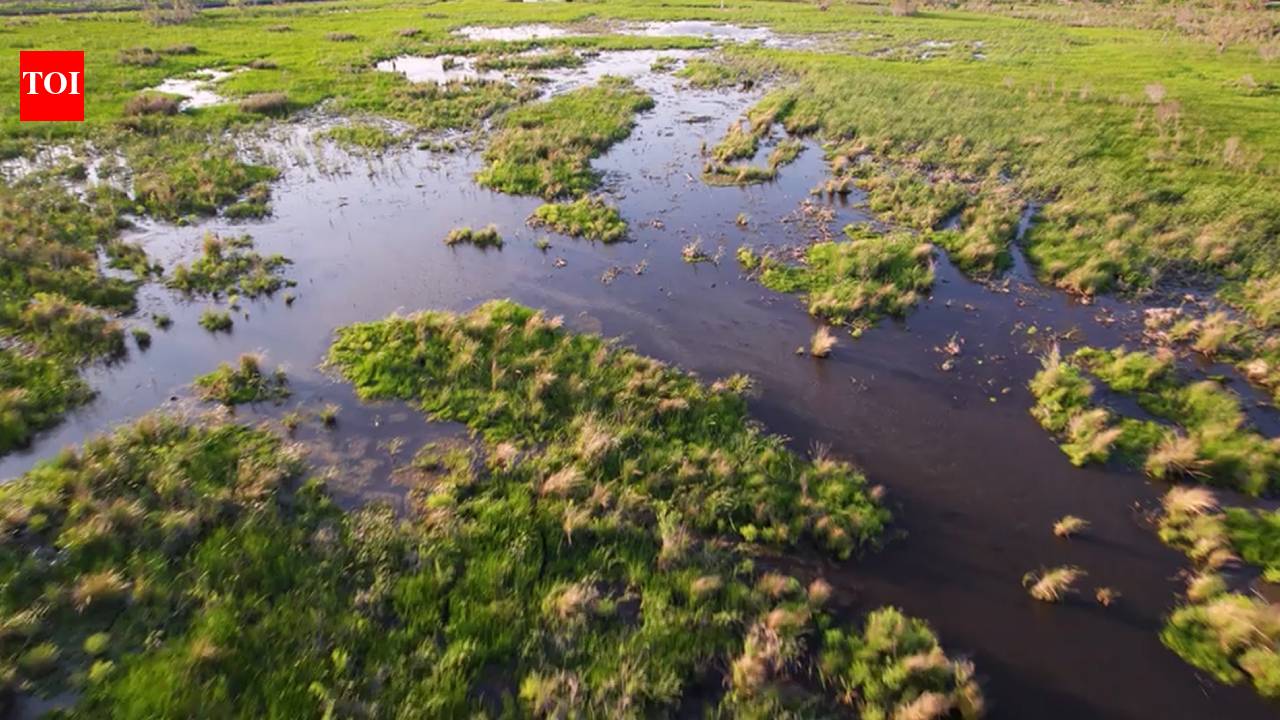
    Louisiana created 1,170 acres of new wetlands in Barataria Basin; one year later, shrimp and crabs are returning to the restored habitat
    Louisiana’s coastline is showing early signs of recovery after a major wetland restoration project created 1,170 acres of new marsh habitat in the Barataria Basin. Just one year after construction, species including white and brown shrimp, blue crab and red drum have begun using the newly restored ecosystem.
    0 التعليقات 0 المشاركات 161 مشاهدة
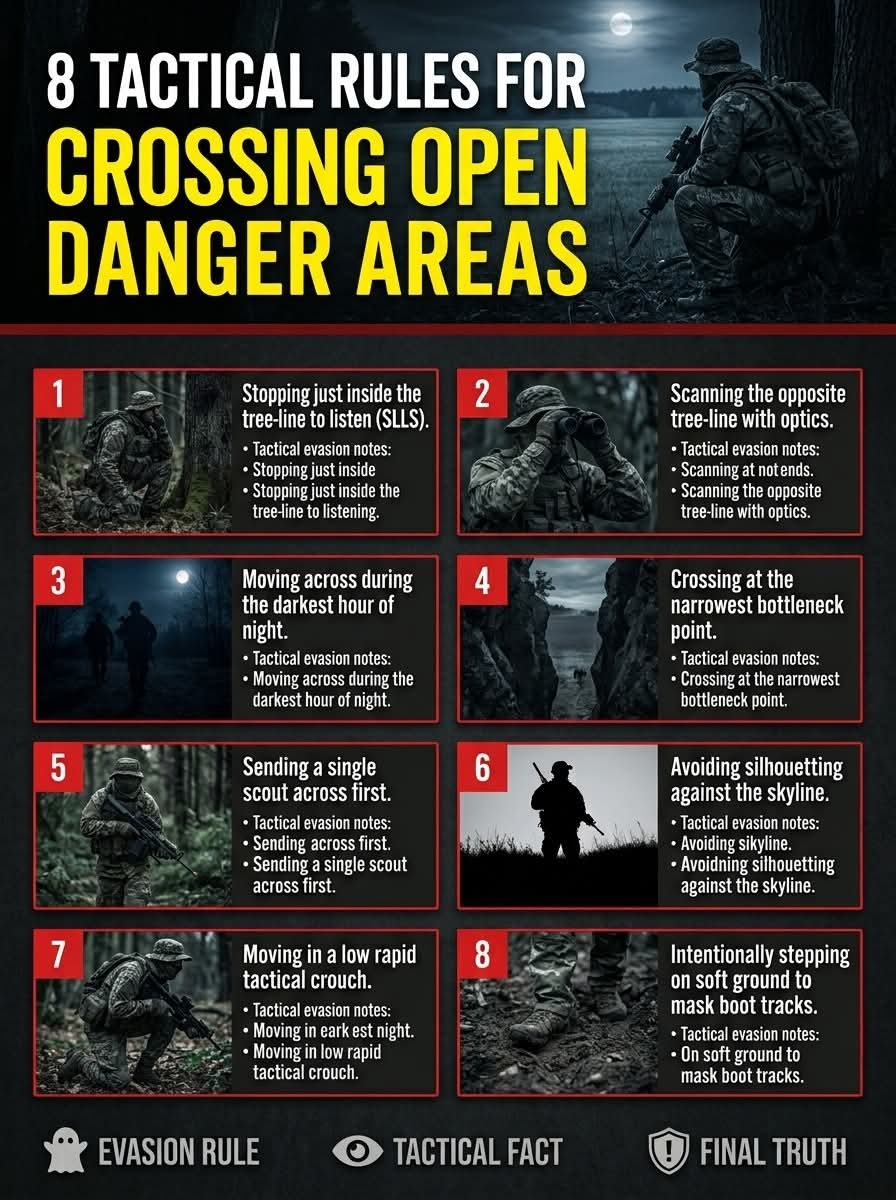
  • In a hostile evasion scenario or a post-disaster environment with active threats, the thick forest is your greatest ally, providing absolute concealment and cover. But eventually, your escape route will force you to cross a wide meadow, a paved highway, or an open valley. In military parlance, this is an ODA: an Open Danger Area. Stepping into an ODA instantly strips away your camouflage, exposing your silhouette to anyone watching from miles away. Crossing safely requires extreme tactical discipline.
    Never blindly walk out of the woods. The absolute first rule is to execute SLLS (Stop, Look, Listen, Smell) while still hidden deep inside the shadows of the tree-line. Spend at least 10 minutes observing the opposite tree-line through binoculars or a scope, looking for unnatural movement or reflections. You must always select the absolute narrowest point of the field to minimize your time exposed in the open. If you are with a group, NEVER cross together; send a single scout across first to secure the opposite side while the rest of the team provides armed overwatch from the woods. If the scout is compromised, the whole team isn't trapped in the open. Stay low, move rapidly, never silhouette yourself against the sky, and disappear back into the shadows.
    #TacticalSurvival #Evasion #Preparedness
    In a hostile evasion scenario or a post-disaster environment with active threats, the thick forest is your greatest ally, providing absolute concealment and cover. But eventually, your escape route will force you to cross a wide meadow, a paved highway, or an open valley. In military parlance, this is an ODA: an Open Danger Area. Stepping into an ODA instantly strips away your camouflage, exposing your silhouette to anyone watching from miles away. Crossing safely requires extreme tactical discipline. Never blindly walk out of the woods. The absolute first rule is to execute SLLS (Stop, Look, Listen, Smell) while still hidden deep inside the shadows of the tree-line. Spend at least 10 minutes observing the opposite tree-line through binoculars or a scope, looking for unnatural movement or reflections. You must always select the absolute narrowest point of the field to minimize your time exposed in the open. If you are with a group, NEVER cross together; send a single scout across first to secure the opposite side while the rest of the team provides armed overwatch from the woods. If the scout is compromised, the whole team isn't trapped in the open. Stay low, move rapidly, never silhouette yourself against the sky, and disappear back into the shadows. 🥷🌲 #TacticalSurvival #Evasion #Preparedness
    0 التعليقات 0 المشاركات 444 مشاهدة
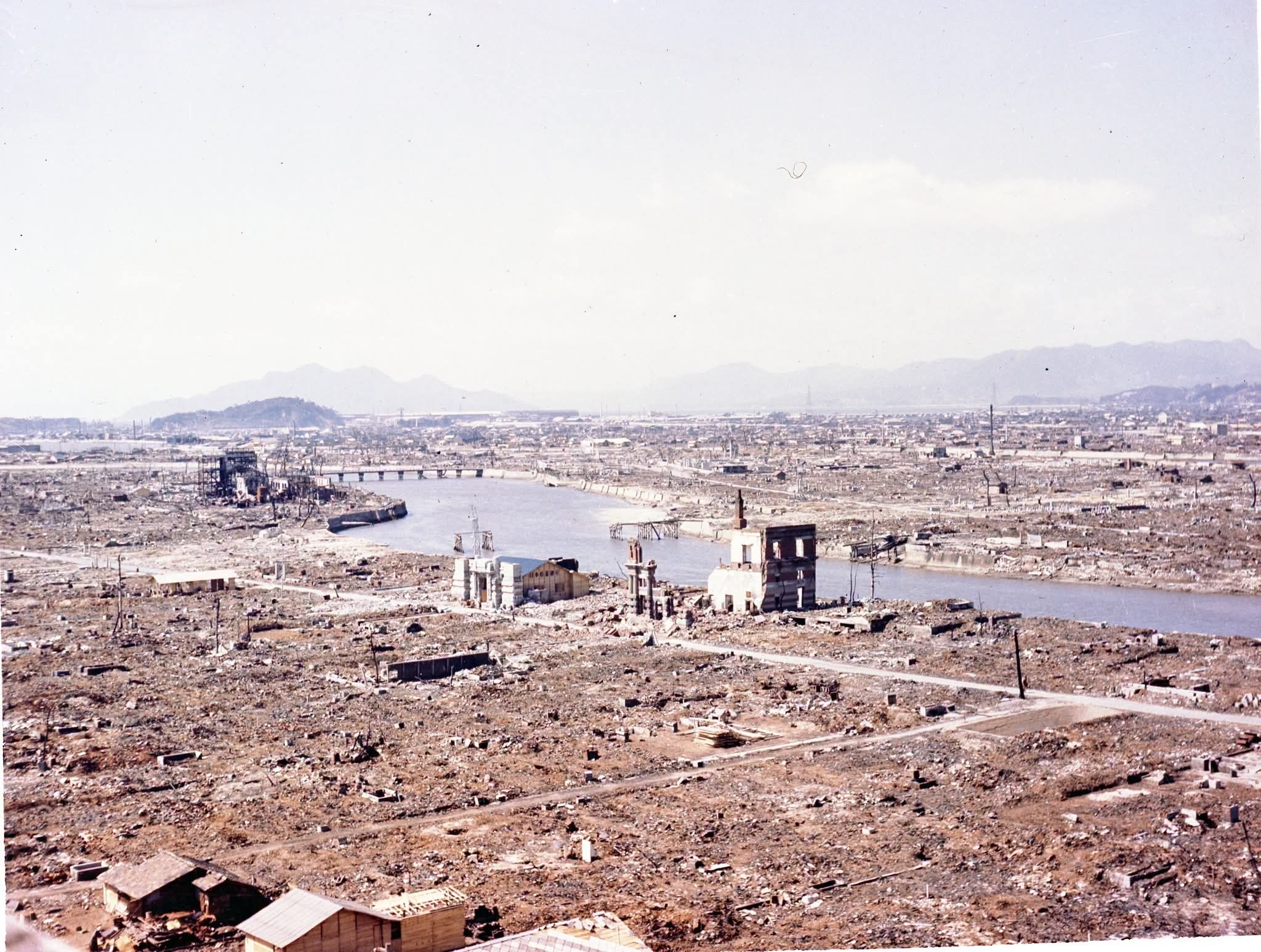
  • On August 6, 1945 at 8:16 am in Hiroshima (7:16 pm August 5th on the US East Coast), after falling for 43 seconds from the B-29 Superfortress Enola Gay, the Little Boy atomic bomb detonated 1,968 feet (600 meters) above the city, 550 feet (168 meters) from the Aioi Bridge. One second later the fireball reached maximum size, 900 feet in diameter (274 meters). The mushroom cloud began to form.

    As temperatures on the ground reached 7,000 degrees Fahrenheit (3871 Celsius), buildings melted and fused together, human and animal tissue vaporized. The blast wave traveled at 984 miles per hour in all directions, demolishing over two-thirds of Hiroshima’s buildings in a massive, expanding firestorm. Eighty thousand people were instantly killed or grievously wounded. Over 100,000 more would die from the bomb’s effects in the coming months.

    Image Credit: US National Archives & Records Administration
    On August 6, 1945 at 8:16 am in Hiroshima (7:16 pm August 5th on the US East Coast), after falling for 43 seconds from the B-29 Superfortress Enola Gay, the Little Boy atomic bomb detonated 1,968 feet (600 meters) above the city, 550 feet (168 meters) from the Aioi Bridge. One second later the fireball reached maximum size, 900 feet in diameter (274 meters). The mushroom cloud began to form. As temperatures on the ground reached 7,000 degrees Fahrenheit (3871 Celsius), buildings melted and fused together, human and animal tissue vaporized. The blast wave traveled at 984 miles per hour in all directions, demolishing over two-thirds of Hiroshima’s buildings in a massive, expanding firestorm. Eighty thousand people were instantly killed or grievously wounded. Over 100,000 more would die from the bomb’s effects in the coming months. Image Credit: US National Archives & Records Administration
    0 التعليقات 0 المشاركات 308 مشاهدة
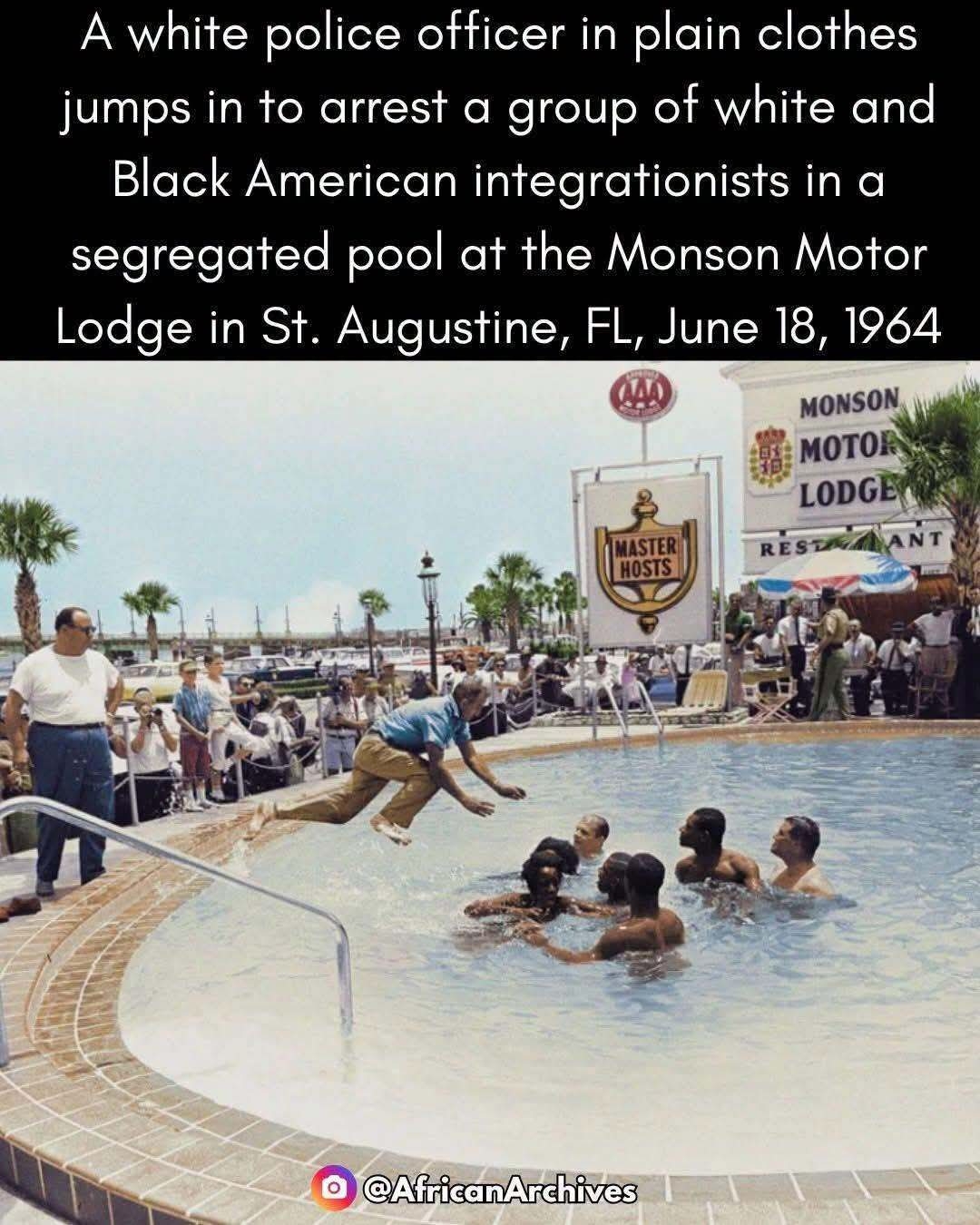
  • Throughout the racial demonstrations in St. Augustine, SCLC employed a variety of tactics that were designed to gain national press coverage and thus to ensure the attention of the American public. In addition to the nightly marches, the most innovative and dramatic tactic was the use of wade-ins and swim-ins to desegregate the beaches and swimming pools. The protests exposed the pervasiveness of segregation, touching as it did on every aspect of life in St. Augustine from schools and neighborhoods to public beaches. What other Americans could not understand was how a public beach could be subdivided into black and white sections.
    To assure press coverage of its demonstrations, SCLC would often notify reporters in advance. Hosea Williams, special adviser to Marin Luther King, was particularly adept at developing new tactics and at mobilizing the press. One of his most effective was the swim-in at the Monson Motor Lodge on June 18th, 1964. Reporters stayed at Monson’s during the St. Augustine campaign, and as a consequence, SCLC often conducted its demonstrations there. The first of these was led by a group of rabbis who distracted owner James Brock while a group of black and white protesters jumped into the motel’s swimming pool. Brock yelled at two of the white demonstrators, “You’re not putting these people in my pool.” “These are our guests,” came the reply. In a fury, Brock ran into his office and returned with a two gallon container of muriatic acid that he dumped into the water. A group of whites, led by police officer James Hewitt, gathered nearby, not knowing exactly what to do. Finally, Hewitt jumped into the pool to arrest the protesters.
    Throughout the racial demonstrations in St. Augustine, SCLC employed a variety of tactics that were designed to gain national press coverage and thus to ensure the attention of the American public. In addition to the nightly marches, the most innovative and dramatic tactic was the use of wade-ins and swim-ins to desegregate the beaches and swimming pools. The protests exposed the pervasiveness of segregation, touching as it did on every aspect of life in St. Augustine from schools and neighborhoods to public beaches. What other Americans could not understand was how a public beach could be subdivided into black and white sections. To assure press coverage of its demonstrations, SCLC would often notify reporters in advance. Hosea Williams, special adviser to Marin Luther King, was particularly adept at developing new tactics and at mobilizing the press. One of his most effective was the swim-in at the Monson Motor Lodge on June 18th, 1964. Reporters stayed at Monson’s during the St. Augustine campaign, and as a consequence, SCLC often conducted its demonstrations there. The first of these was led by a group of rabbis who distracted owner James Brock while a group of black and white protesters jumped into the motel’s swimming pool. Brock yelled at two of the white demonstrators, “You’re not putting these people in my pool.” “These are our guests,” came the reply. In a fury, Brock ran into his office and returned with a two gallon container of muriatic acid that he dumped into the water. A group of whites, led by police officer James Hewitt, gathered nearby, not knowing exactly what to do. Finally, Hewitt jumped into the pool to arrest the protesters.
    0 التعليقات 0 المشاركات 230 مشاهدة
  • “You cannot be interested and inconsistent.”
    “You cannot be interested and inconsistent.”
    0 التعليقات 0 المشاركات 169 مشاهدة
  • DATING PSYCHOLOGY:

    1. People chase what feels uncertain, not what feels earned
    2. Attraction grows through unpredictability in the early stages
    3. Consistency feels boring until it becomes rare
    4. People value what they could lose more than what they have
    5. Emotional availability is rarer than physical attraction
    6. Mixed signals often reflect internal conflict, not manipulation
    7. People fall for effort more than for looks
    8. Long silences say more than long paragraphs
    9. Comfort without growth eventually turns into boredom
    10. People reveal true intentions through actions under pressure
    11. Validation feels good but rarely builds lasting connection
    12. The chase excites, but consistency is what keeps people
    13. People fear vulnerability more than they fear rejection
    14. Early consistency often gets mistaken for lack of interest
    15. What's freely given is valued less than what's earned slowly
    DATING PSYCHOLOGY: 1. People chase what feels uncertain, not what feels earned 2. Attraction grows through unpredictability in the early stages 3. Consistency feels boring until it becomes rare 4. People value what they could lose more than what they have 5. Emotional availability is rarer than physical attraction 6. Mixed signals often reflect internal conflict, not manipulation 7. People fall for effort more than for looks 8. Long silences say more than long paragraphs 9. Comfort without growth eventually turns into boredom 10. People reveal true intentions through actions under pressure 11. Validation feels good but rarely builds lasting connection 12. The chase excites, but consistency is what keeps people 13. People fear vulnerability more than they fear rejection 14. Early consistency often gets mistaken for lack of interest 15. What's freely given is valued less than what's earned slowly
    0 التعليقات 0 المشاركات 713 مشاهدة
  • https://www.cnn.com/world/americas/spirit-bear-great-bear-rainforest-canada-jack-plant-spc-c2e
    https://www.cnn.com/world/americas/spirit-bear-great-bear-rainforest-canada-jack-plant-spc-c2e
    WWW.CNN.COM
    ‘You want to cry’: Photographer’s rare access to Canada’s mysterious spirit bears | CNN
    No one knows for sure how many spirit bears live in the Great Bear Rainforest. The First Nations who share their home have fought hard for their protection.
    0 التعليقات 0 المشاركات 313 مشاهدة
  • Two signs of weak listening skills -

    1. You auto-complete someone's thought in your head and disengage mid way, or start preparing your response.

    2. You hear an interesting keyword and drift into your own related thoughts about it.

    I see this happen so often when I meet people now. Listening is an active, energy-consuming, difficult task. It is not the same as 'hearing'.

    Giving someone your entire attention is a form of care and respect and very few people now seem to understand how to do it.
    Two signs of weak listening skills - 1. You auto-complete someone's thought in your head and disengage mid way, or start preparing your response. 2. You hear an interesting keyword and drift into your own related thoughts about it. I see this happen so often when I meet people now. Listening is an active, energy-consuming, difficult task. It is not the same as 'hearing'. Giving someone your entire attention is a form of care and respect and very few people now seem to understand how to do it.
    0 التعليقات 0 المشاركات 1394 مشاهدة
الصفحات المعززة