



• A telephone shaped like a football. A telephone shaped like a doughnut. A telephone you could see straight through, circuits and all. Before the phone lived in your pocket, it lived in your kitchen, and America had a lot of fun with it.

    It began as furniture. In 1882 the Blake wall telephone was a wooden cabinet you cranked by hand, and you leaned in close to be heard. The elegant candlestick phones that followed had no dial at all. You lifted the receiver and a real human operator asked who you wanted to reach. In 1919, Bell System introduced dial service, allowing many Americans to place calls without speaking to an operator.

    Then came the phone that practically raised a generation: the Model 500 of 1949. Solid, heavy, nearly indestructible, it stayed in production for decades and sat in more American homes than any phone before or since. Its coiled cord got stretched around corners and into closets by teenagers hunting for a little privacy.

    In 1959 the Princess phone charmed the country with the slogan “It’s little, it’s lovely, it lights.” It was actually so lightweight that engineers had to add extra weight inside so it would not slide across the nightstand while you dialed.

    The 1960s pushed buttons, literally. Touch-tone dialing debuted in 1963, the Trimline tucked the dial right into the handset in 1965, and suddenly phones came in avocado green, harvest gold, and cherry red to match the kitchen. By the 1970s and 80s the phone became a toy for grown-ups: the doughnut-shaped Sculptura, the famous football phone that arrived as a magazine subscription gift, the transparent phone that flashed with every ring.

    Then the cord disappeared. Cordless handsets roamed the backyard in the late 80s and 90s, and by 2010 the home phone had learned to link up with the very cell phone that would soon take its place.

    One number for the whole family. One ring that echoed through every room. And everyone racing to answer, because you never knew who it was until you picked up.

    #AmericanNostalgia #VintageAmerica #VintageTelephones #RetroTechnology #RememberWhen
    A telephone shaped like a football. 🏈 A telephone shaped like a doughnut. A telephone you could see straight through, circuits and all. Before the phone lived in your pocket, it lived in your kitchen, and America had a lot of fun with it. ⠀ It began as furniture. In 1882 the Blake wall telephone was a wooden cabinet you cranked by hand, and you leaned in close to be heard. ☎️ The elegant candlestick phones that followed had no dial at all. You lifted the receiver and a real human operator asked who you wanted to reach. In 1919, Bell System introduced dial service, allowing many Americans to place calls without speaking to an operator. ⠀ Then came the phone that practically raised a generation: the Model 500 of 1949. Solid, heavy, nearly indestructible, it stayed in production for decades and sat in more American homes than any phone before or since. Its coiled cord got stretched around corners and into closets by teenagers hunting for a little privacy. 😄 ⠀ In 1959 the Princess phone charmed the country with the slogan “It’s little, it’s lovely, it lights.” It was actually so lightweight that engineers had to add extra weight inside so it would not slide across the nightstand while you dialed. 💗 ⠀ The 1960s pushed buttons, literally. Touch-tone dialing debuted in 1963, the Trimline tucked the dial right into the handset in 1965, and suddenly phones came in avocado green, harvest gold, and cherry red to match the kitchen. By the 1970s and 80s the phone became a toy for grown-ups: the doughnut-shaped Sculptura, the famous football phone that arrived as a magazine subscription gift, the transparent phone that flashed with every ring. ✨ ⠀ Then the cord disappeared. Cordless handsets roamed the backyard in the late 80s and 90s, and by 2010 the home phone had learned to link up with the very cell phone that would soon take its place. 📱 ⠀ One number for the whole family. One ring that echoed through every room. And everyone racing to answer, because you never knew who it was until you picked up. #AmericanNostalgia #VintageAmerica #VintageTelephones #RetroTechnology #RememberWhen
    0 التعليقات 0 المشاركات 2كيلو بايت مشاهدة
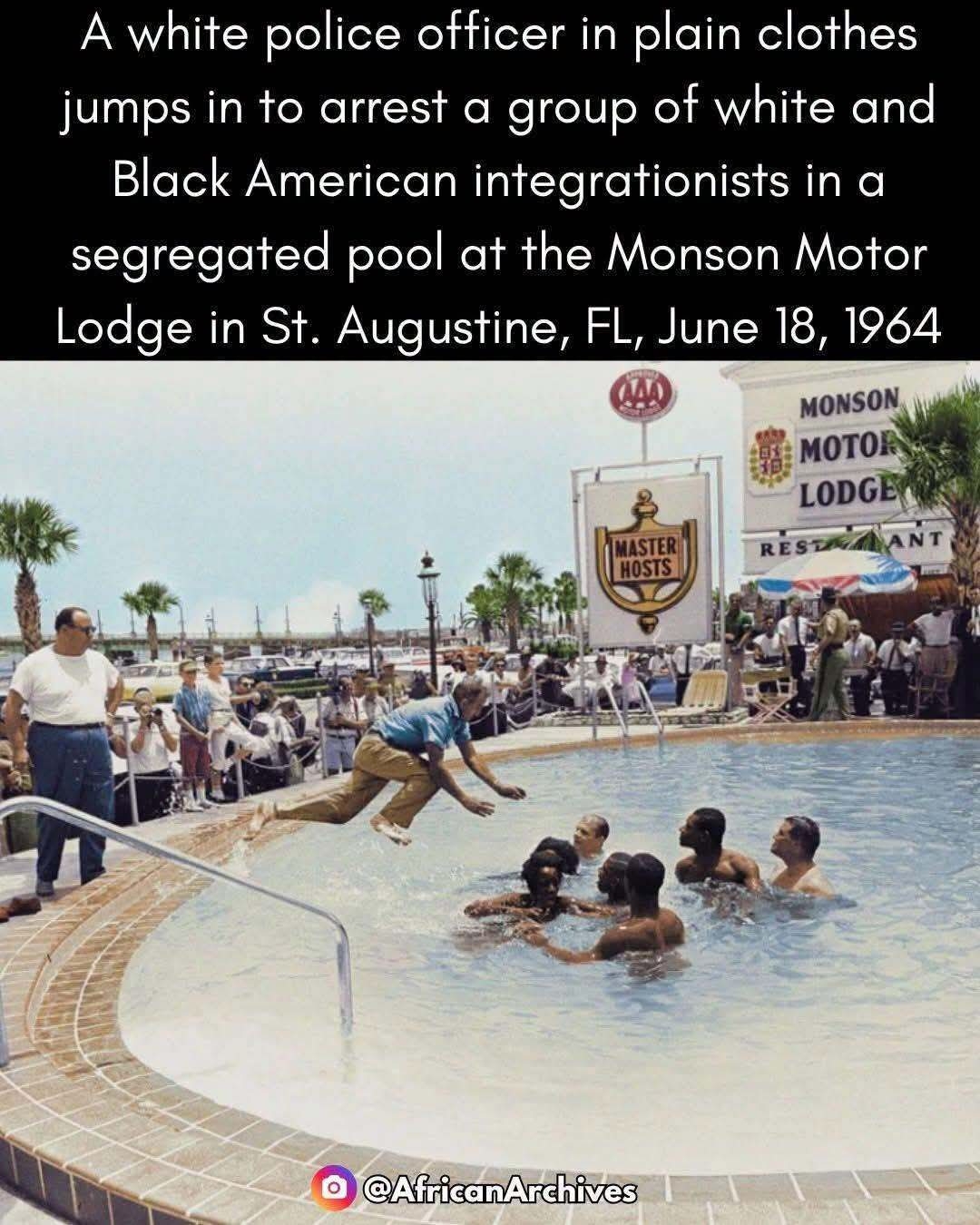
  • Throughout the racial demonstrations in St. Augustine, SCLC employed a variety of tactics that were designed to gain national press coverage and thus to ensure the attention of the American public. In addition to the nightly marches, the most innovative and dramatic tactic was the use of wade-ins and swim-ins to desegregate the beaches and swimming pools. The protests exposed the pervasiveness of segregation, touching as it did on every aspect of life in St. Augustine from schools and neighborhoods to public beaches. What other Americans could not understand was how a public beach could be subdivided into black and white sections.
    To assure press coverage of its demonstrations, SCLC would often notify reporters in advance. Hosea Williams, special adviser to Marin Luther King, was particularly adept at developing new tactics and at mobilizing the press. One of his most effective was the swim-in at the Monson Motor Lodge on June 18th, 1964. Reporters stayed at Monson’s during the St. Augustine campaign, and as a consequence, SCLC often conducted its demonstrations there. The first of these was led by a group of rabbis who distracted owner James Brock while a group of black and white protesters jumped into the motel’s swimming pool. Brock yelled at two of the white demonstrators, “You’re not putting these people in my pool.” “These are our guests,” came the reply. In a fury, Brock ran into his office and returned with a two gallon container of muriatic acid that he dumped into the water. A group of whites, led by police officer James Hewitt, gathered nearby, not knowing exactly what to do. Finally, Hewitt jumped into the pool to arrest the protesters.
    Throughout the racial demonstrations in St. Augustine, SCLC employed a variety of tactics that were designed to gain national press coverage and thus to ensure the attention of the American public. In addition to the nightly marches, the most innovative and dramatic tactic was the use of wade-ins and swim-ins to desegregate the beaches and swimming pools. The protests exposed the pervasiveness of segregation, touching as it did on every aspect of life in St. Augustine from schools and neighborhoods to public beaches. What other Americans could not understand was how a public beach could be subdivided into black and white sections. To assure press coverage of its demonstrations, SCLC would often notify reporters in advance. Hosea Williams, special adviser to Marin Luther King, was particularly adept at developing new tactics and at mobilizing the press. One of his most effective was the swim-in at the Monson Motor Lodge on June 18th, 1964. Reporters stayed at Monson’s during the St. Augustine campaign, and as a consequence, SCLC often conducted its demonstrations there. The first of these was led by a group of rabbis who distracted owner James Brock while a group of black and white protesters jumped into the motel’s swimming pool. Brock yelled at two of the white demonstrators, “You’re not putting these people in my pool.” “These are our guests,” came the reply. In a fury, Brock ran into his office and returned with a two gallon container of muriatic acid that he dumped into the water. A group of whites, led by police officer James Hewitt, gathered nearby, not knowing exactly what to do. Finally, Hewitt jumped into the pool to arrest the protesters.
    0 التعليقات 0 المشاركات 404 مشاهدة
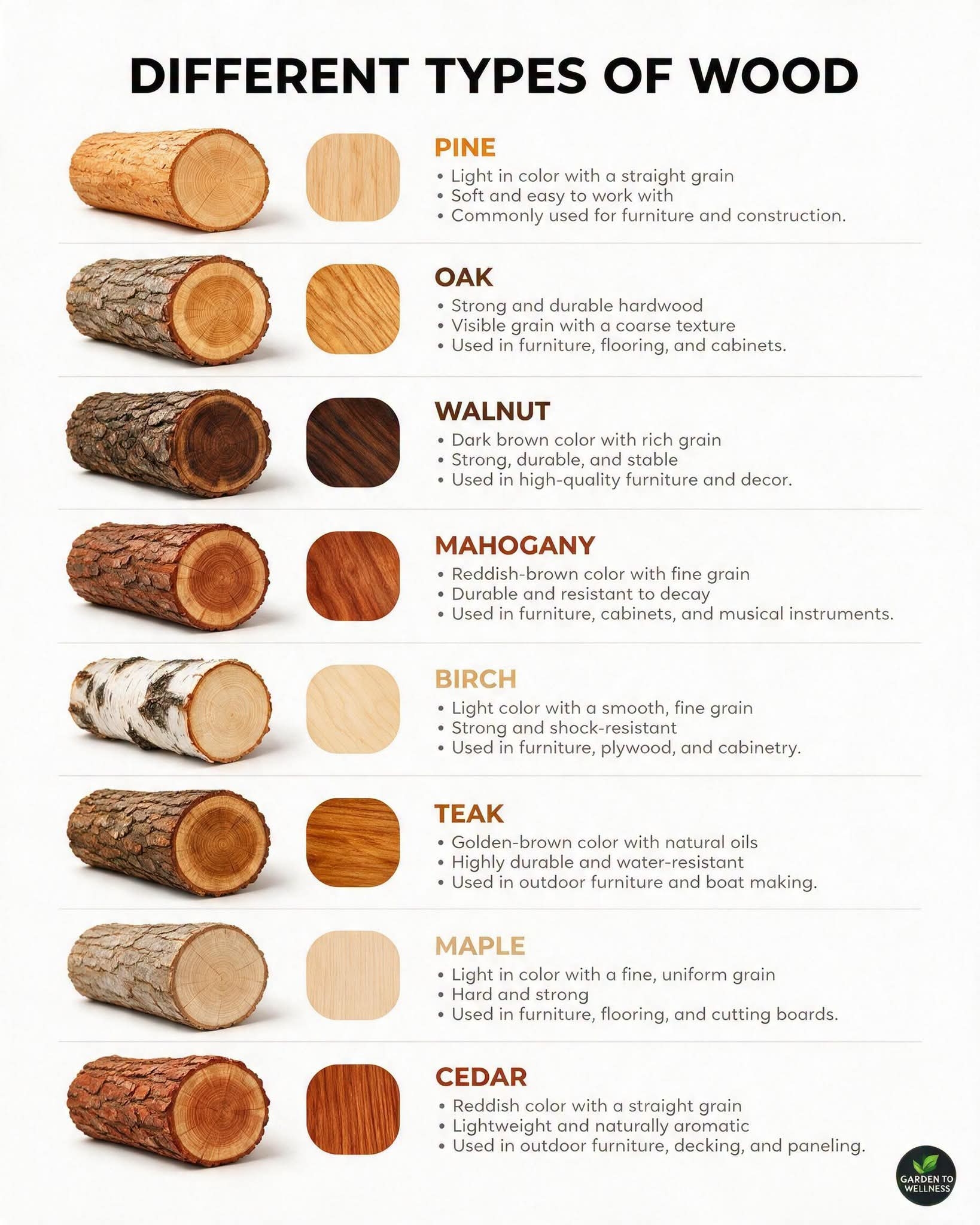
  • 8 Different Types of Wood Every Gardener & DIYer Should Know

    Choosing the right wood makes or breaks a garden project, the same board that's perfect for a raised bed will rot in two seasons if you use it for the wrong job Cedar and teak are the go-to picks for anything outdoors, since both are naturally rot- and moisture-resistant without chemical treatment — cedar brings a lightweight, aromatic option for raised beds and decking, while teak's natural oils make it the top choice for outdoor furniture and planter boxes that need to survive rain and sun for years.

    For indoor builds and furniture, oak and walnut are the workhorses: oak is strong, durable, and shows a bold visible grain that takes stain beautifully, while walnut's rich dark-brown tone and stable structure make it a favorite for high-end furniture and garden decor accents. Mahogany brings a reddish warmth and natural decay resistance, often used in cabinets and fine woodworking. Birch and maple are both light-colored, fine-grained, and shock-resistant — great for cutting boards, shelving, and lightweight garden storage builds. And pine, the most budget-friendly and easiest to work with, is soft enough for beginner DIY projects but should always be sealed or pressure-treated before it touches soil or weather.

    Rule of thumb for outdoor garden builds : reach for cedar or teak first. Save oak, walnut, mahogany, birch, and maple for furniture and decor that stays dry, and use pine only when it's sealed or destined for indoor use. The right wood choice saves you a rebuild down the road.

    #WoodworkingTips #DIYGarden #GardenBuild #RaisedBedGardening
    🪵 8 Different Types of Wood Every Gardener & DIYer Should Know 👇 Choosing the right wood makes or breaks a garden project, the same board that's perfect for a raised bed will rot in two seasons if you use it for the wrong job 🌳 Cedar and teak are the go-to picks for anything outdoors, since both are naturally rot- and moisture-resistant without chemical treatment — cedar brings a lightweight, aromatic option for raised beds and decking, while teak's natural oils make it the top choice for outdoor furniture and planter boxes that need to survive rain and sun for years. For indoor builds and furniture, oak and walnut are the workhorses: oak is strong, durable, and shows a bold visible grain that takes stain beautifully, while walnut's rich dark-brown tone and stable structure make it a favorite for high-end furniture and garden decor accents. Mahogany brings a reddish warmth and natural decay resistance, often used in cabinets and fine woodworking. Birch and maple are both light-colored, fine-grained, and shock-resistant — great for cutting boards, shelving, and lightweight garden storage builds. And pine, the most budget-friendly and easiest to work with, is soft enough for beginner DIY projects but should always be sealed or pressure-treated before it touches soil or weather. Rule of thumb for outdoor garden builds 🔨: reach for cedar or teak first. Save oak, walnut, mahogany, birch, and maple for furniture and decor that stays dry, and use pine only when it's sealed or destined for indoor use. The right wood choice saves you a rebuild down the road. #WoodworkingTips #DIYGarden #GardenBuild #RaisedBedGardening
    0 التعليقات 0 المشاركات 2كيلو بايت مشاهدة
  • When you touch money, take care of yourself first

    Build yourself aggressively.

    Go ghost if you must while building. That’s not the time to start helping family members.

    But don’t be balling when your family is suffering. Be actually building.

    Few years later, when you are fully settled, you’ll help them from profits not from capital. And they’ll respect your wisdom more.
    When you touch money, take care of yourself first Build yourself aggressively. Go ghost if you must while building. That’s not the time to start helping family members. But don’t be balling when your family is suffering. Be actually building. Few years later, when you are fully settled, you’ll help them from profits not from capital. And they’ll respect your wisdom more.
    0 التعليقات 0 المشاركات 539 مشاهدة
  • The way you handle small tasks predicts how you'll handle big opportunities. People are always watching.

    Make everything you touch better than you found it.
    The way you handle small tasks predicts how you'll handle big opportunities. People are always watching. Make everything you touch better than you found it.
    0 التعليقات 0 المشاركات 372 مشاهدة
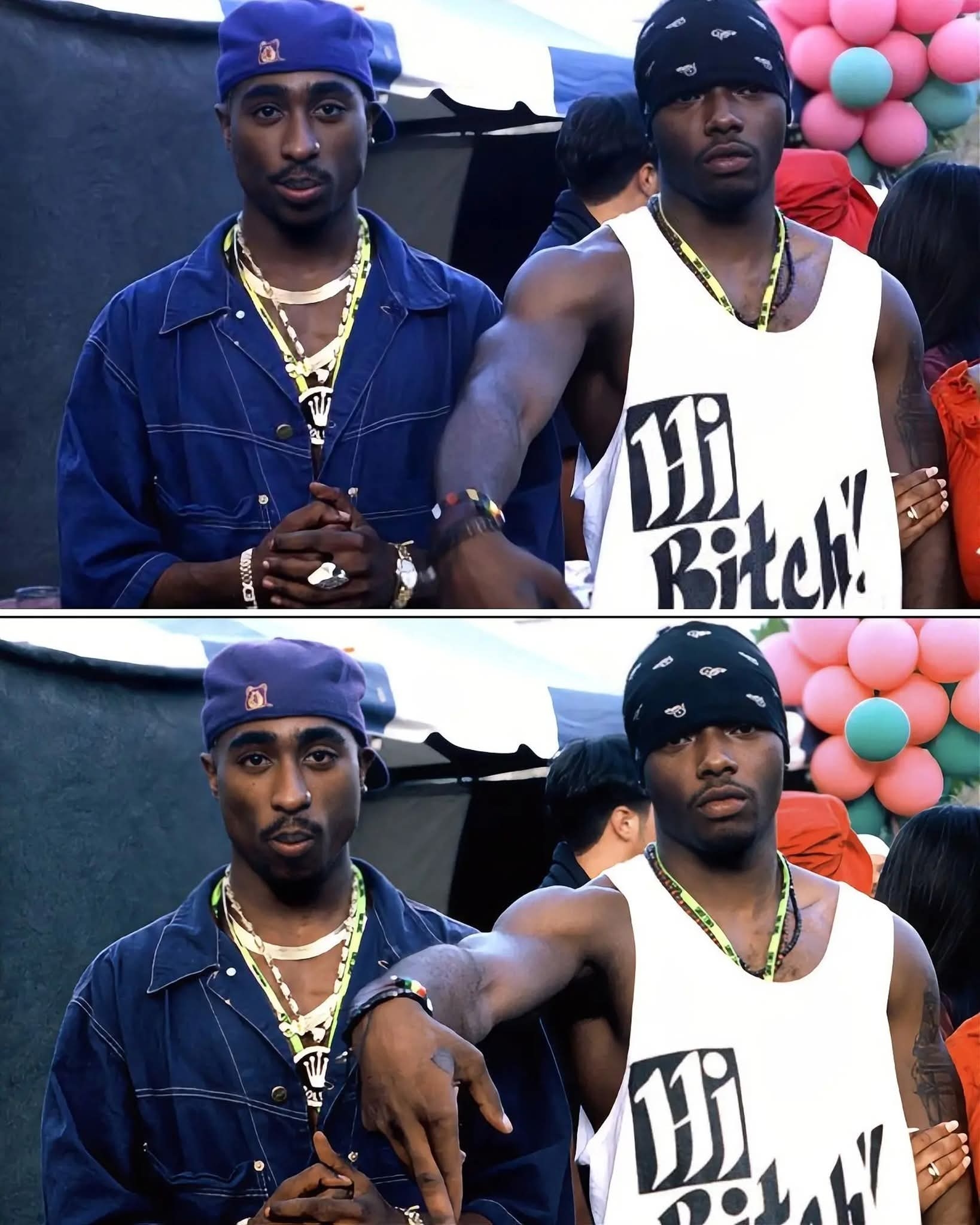
  • When Tupac died in 1996, it shook a lot of people, but for Treach, it broke something deep inside. This wasn’t just a friend or collaborator. Pac was like family.

    They came up together from the very bottom, just two kids grinding in the shadows. Treach was rolling with Queen Latifah’s camp, Pac with Digital Underground. Before the stages and cameras, they were carrying bags and setting up shows. Treach would always say, “Pac had that fire even then, you knew he was gonna be a star.”

    So when Pac was murdered in Vegas, Treach didn’t head to the studio right away. He sat in silence, looked at old photos, played Pac’s verses over and over. He didn’t want to make a “song” he wanted to write a letter. Something that would speak to Pac’s spirit. That’s how “Mourn You Til I Join You” was born.

    This wasn’t about charts or radio plays. It was Treach pouring every memory and every ounce of pain into a mic. He didn’t hold back, he rapped about the wild nights, the prison letters, the phone calls full of laughter and rage. He talked about seeing Pac laid out in a casket, and the gut-punch of losing someone who was supposed to be untouchable.

    “Even all the prayers can't bring you back to us / I’ll mourn you til I join you ‘cause I’ll keep in touch.”

    That wasn’t just a hook. That was a promise.

    Every June 16th, Treach still celebrates Pac’s birthday. He plays his music loud, tells stories, laughs, and sometimes tears up. That’s the kind of bond they had—ride or die in life, and still loyal in death.

    So when you listen to “Mourn You Til I Join You,” you're not hearing a rapper rap. You're hearing a man speak to his brother. One last message across the divide. And for Treach, it’ll never be the last.
    When Tupac died in 1996, it shook a lot of people, but for Treach, it broke something deep inside. This wasn’t just a friend or collaborator. Pac was like family. They came up together from the very bottom, just two kids grinding in the shadows. Treach was rolling with Queen Latifah’s camp, Pac with Digital Underground. Before the stages and cameras, they were carrying bags and setting up shows. Treach would always say, “Pac had that fire even then, you knew he was gonna be a star.” So when Pac was murdered in Vegas, Treach didn’t head to the studio right away. He sat in silence, looked at old photos, played Pac’s verses over and over. He didn’t want to make a “song” he wanted to write a letter. Something that would speak to Pac’s spirit. That’s how “Mourn You Til I Join You” was born. This wasn’t about charts or radio plays. It was Treach pouring every memory and every ounce of pain into a mic. He didn’t hold back, he rapped about the wild nights, the prison letters, the phone calls full of laughter and rage. He talked about seeing Pac laid out in a casket, and the gut-punch of losing someone who was supposed to be untouchable. “Even all the prayers can't bring you back to us / I’ll mourn you til I join you ‘cause I’ll keep in touch.” That wasn’t just a hook. That was a promise. Every June 16th, Treach still celebrates Pac’s birthday. He plays his music loud, tells stories, laughs, and sometimes tears up. That’s the kind of bond they had—ride or die in life, and still loyal in death. So when you listen to “Mourn You Til I Join You,” you're not hearing a rapper rap. You're hearing a man speak to his brother. One last message across the divide. And for Treach, it’ll never be the last.
    0 التعليقات 0 المشاركات 5كيلو بايت مشاهدة
  • "God Forgives, I Don't" is the 5th studio album by #Miami rapper #RickRoss.
    It was released on July 30, 2012, by #MaybachMusic Group, Slip-n-Slide Records and Def Jam Recordings.
    The album was produced by several record producers, including Cool & Dre, J.U.S.T.I.C.E. League, #Pharrell, Jake One, and Rico Love, among others.
    Album features a wide array of artists. Notable collaborations include #JayZ and #DrDre on "Three Kings", #André3000 on "Sixteen", #Usher on "Touch'N You", #NeYo on "Maybach Music IV", Omarion on "Ice Cold", Wale and #Drake on "Diced Pineapples", and Meek Mill on "So Sophisticated"
    🚨"God Forgives, I Don't" is the 5th studio album by #Miami rapper #RickRoss. ▪️It was released on July 30, 2012, by #MaybachMusic Group, Slip-n-Slide Records and Def Jam Recordings. ▪️The album was produced by several record producers, including Cool & Dre, J.U.S.T.I.C.E. League, #Pharrell, Jake One, and Rico Love, among others. ▪️Album features a wide array of artists. Notable collaborations include #JayZ and #DrDre on "Three Kings", #André3000 on "Sixteen", #Usher on "Touch'N You", #NeYo on "Maybach Music IV", Omarion on "Ice Cold", Wale and #Drake on "Diced Pineapples", and Meek Mill on "So Sophisticated"
    0 التعليقات 0 المشاركات 20كيلو بايت مشاهدة
  • Route 50 in Nevada, often dubbed "The Loneliest Road in America," is a stretch of highway that cuts through the heart of the state’s vast, untamed wilderness. Despite its ominous nickname, the route is a hidden gem, showcasing some of the most rugged and breathtaking landscapes in the American West. As you drive along this quiet highway, the solitude becomes a companion, amplifying the raw beauty of the desert, mountains, and endless skies that define Nevada’s interior.

    The scenery along Route 50 is a tapestry of high desert valleys, ancient mountain ranges, and forgotten ghost towns. The ever-changing light casts dramatic shadows over jagged peaks, while the wide-open spaces evoke a deep sense of freedom and timelessness. In spring and early summer, wildflowers bloom in the desert, adding bursts of color to the muted earth tones. Historic towns like Ely and Austin offer glimpses into Nevada’s mining past, while the nearby Great Basin National Park provides opportunities to explore alpine lakes, ancient bristlecone pines, and the spectacular Lehman Caves.

    What makes Route 50 especially beautiful is its silence — a silence that invites reflection and appreciation for the grandeur of nature untouched by crowds. Whether you’re chasing a fiery sunset behind distant mountains or stargazing under one of the darkest skies in the country, the experience is humbling and unforgettable. Route 50 is not just a road through Nevada; it’s a journey into the soul of the American frontier.
    Route 50 in Nevada, often dubbed "The Loneliest Road in America," is a stretch of highway that cuts through the heart of the state’s vast, untamed wilderness. Despite its ominous nickname, the route is a hidden gem, showcasing some of the most rugged and breathtaking landscapes in the American West. As you drive along this quiet highway, the solitude becomes a companion, amplifying the raw beauty of the desert, mountains, and endless skies that define Nevada’s interior. The scenery along Route 50 is a tapestry of high desert valleys, ancient mountain ranges, and forgotten ghost towns. The ever-changing light casts dramatic shadows over jagged peaks, while the wide-open spaces evoke a deep sense of freedom and timelessness. In spring and early summer, wildflowers bloom in the desert, adding bursts of color to the muted earth tones. Historic towns like Ely and Austin offer glimpses into Nevada’s mining past, while the nearby Great Basin National Park provides opportunities to explore alpine lakes, ancient bristlecone pines, and the spectacular Lehman Caves. What makes Route 50 especially beautiful is its silence — a silence that invites reflection and appreciation for the grandeur of nature untouched by crowds. Whether you’re chasing a fiery sunset behind distant mountains or stargazing under one of the darkest skies in the country, the experience is humbling and unforgettable. Route 50 is not just a road through Nevada; it’s a journey into the soul of the American frontier.
    0 التعليقات 0 المشاركات 2كيلو بايت مشاهدة
  • SIGNS YOU’RE BECOMING UNTOUCHABLE :

    • You don’t react—you calculate.
    • You don’t get attached—you observe.
    • You don’t seek validation—you know your worth.
    • You make moves in silence—people notice after the fact.
    • You can’t be manipulated—your emotions don’t control you.
    • You focus on growth, not distractions.
    • You let people think they’ve won—then outlast them.

    Master yourself, and no one can break you.
    SIGNS YOU’RE BECOMING UNTOUCHABLE : • You don’t react—you calculate. • You don’t get attached—you observe. • You don’t seek validation—you know your worth. • You make moves in silence—people notice after the fact. • You can’t be manipulated—your emotions don’t control you. • You focus on growth, not distractions. • You let people think they’ve won—then outlast them. Master yourself, and no one can break you.
    0 التعليقات 0 المشاركات 1كيلو بايت مشاهدة