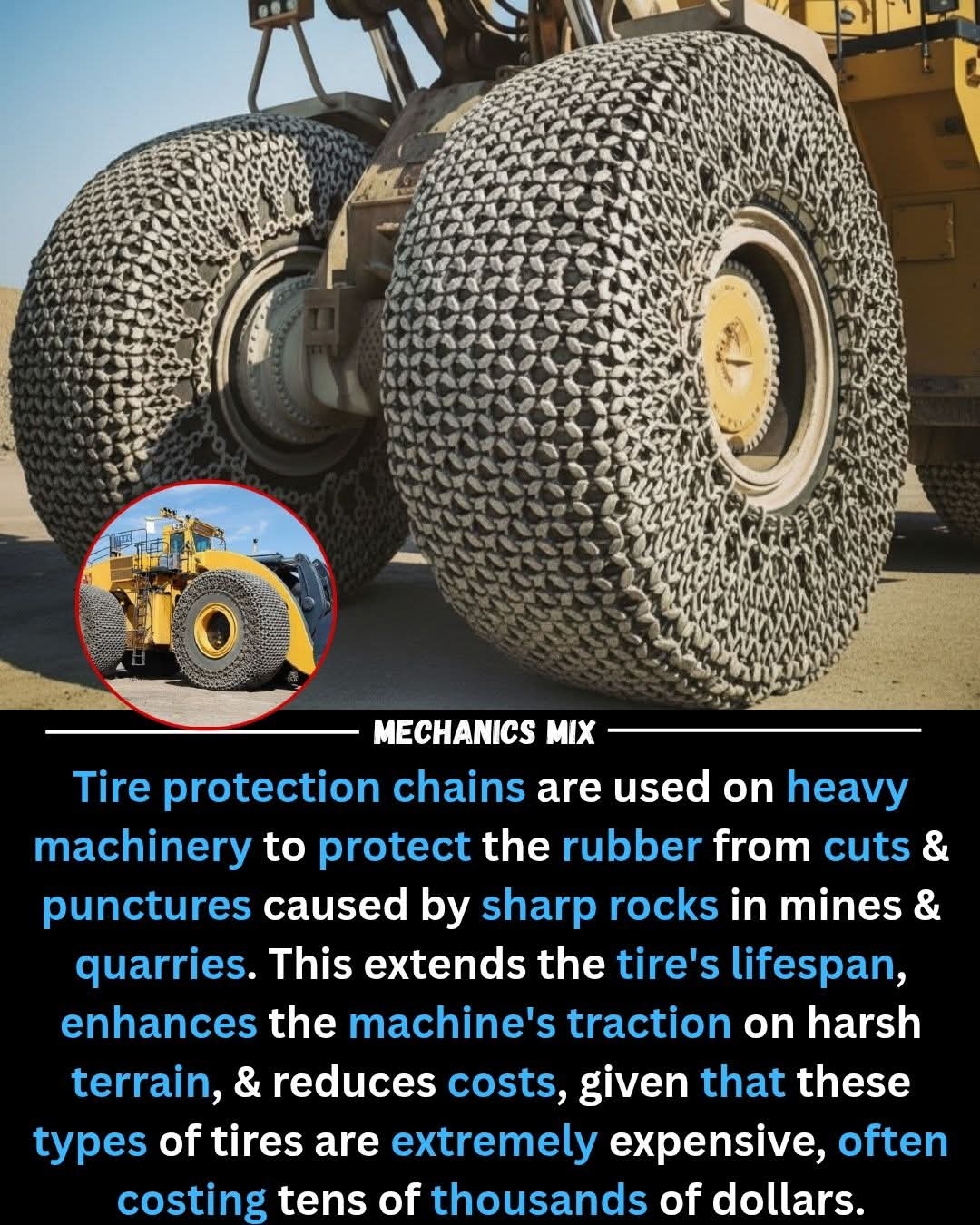
• In the demanding world of industrial mining and heavy construction, tire protection chains serve as an indispensable steel armor for massive earthmovers. These intricately woven mesh systems wrap around the enormous rubber tires to shield them from the jagged, razor-sharp rocks typically found in quarries and underground mines. By acting as a sacrificial barrier, these chains prevent catastrophic punctures and surface tears that could lead to dangerous blowouts or costly operational downtime. Beyond mere protection, they significantly improve the machine's traction and stability on loose or slippery terrain, ensuring that these mechanical giants can operate with precision even in the most hostile environments.

    ​The primary driver behind adopting this technology is the staggering economic reality of heavy-duty equipment maintenance. A single tire for a large loader can command a price tag of tens of thousands of dollars, making any premature failure a significant financial blow to a project. By investing in high-quality steel chains, companies can effectively double or even triple the service life of their tires, transforming a vulnerable high-cost component into a durable long-term asset. This strategic layer of steel not only safeguards the equipment but also ensures a more sustainable and cost-effective workflow by minimizing the need for frequent, expensive replacements in the world’s toughest workspaces.
    In the demanding world of industrial mining and heavy construction, tire protection chains serve as an indispensable steel armor for massive earthmovers. These intricately woven mesh systems wrap around the enormous rubber tires to shield them from the jagged, razor-sharp rocks typically found in quarries and underground mines. By acting as a sacrificial barrier, these chains prevent catastrophic punctures and surface tears that could lead to dangerous blowouts or costly operational downtime. Beyond mere protection, they significantly improve the machine's traction and stability on loose or slippery terrain, ensuring that these mechanical giants can operate with precision even in the most hostile environments. ​The primary driver behind adopting this technology is the staggering economic reality of heavy-duty equipment maintenance. A single tire for a large loader can command a price tag of tens of thousands of dollars, making any premature failure a significant financial blow to a project. By investing in high-quality steel chains, companies can effectively double or even triple the service life of their tires, transforming a vulnerable high-cost component into a durable long-term asset. This strategic layer of steel not only safeguards the equipment but also ensures a more sustainable and cost-effective workflow by minimizing the need for frequent, expensive replacements in the world’s toughest workspaces.
    0 Commentaires 0 Parts 291 Vue
  • Automobile tires have undergone a remarkable transformation over the last century, evolving from simple rubber coverings into highly engineered components critical for safety, comfort, performance, and efficiency. This evolution reflects changes in vehicle design, road conditions, driving speeds, and advances in material science.

    In the early 1900s and 1920s, tires were narrow, tall, and often mounted on spoked wheels. These early tyres were made from natural rubber with cotton fabric plies and had smooth or lightly grooved surfaces. They were designed mainly to cope with rough, unpaved roads and low vehicle speeds. Durability was limited, punctures were common, and ride comfort was basic. Bias-ply construction dominated this era, where fabric layers were laid diagonally across each other, making tires stiff and prone to heat buildup.

    By the 1930s and 1940s, tire designs became slightly wider and stronger. Rubber compounds improved, and tread patterns became more defined to enhance grip on wet and muddy roads. During this period, vehicles grew heavier and faster, especially due to wartime engineering advances, pushing tire manufacturers to focus more on load capacity and reliability.

    The 1950s marked a major visual and technical shift with the introduction of whitewall tyres, symbolizing style and luxury. More importantly, tire construction continued to improve, offering better comfort and longer life. In the late 1940s and 1950s, radial tire technology was developed, though it gained widespread adoption slightly later. Radial tires used steel belts laid perpendicular to the direction of travel, significantly improving grip, fuel efficiency, and tread life.

    During the 1960s and 1970s, radial tires became mainstream globally. Tires grew wider, and tread designs became more aggressive to support higher speeds and better cornering. Performance-oriented tires emerged alongside off-road and all-terrain tires, reflecting the rise of sports cars and utility vehicles. Safety, heat resistance, and handling became central design goals.

    By the 1980s and 1990s, tire technology advanced rapidly. Low-profile tyres paired with alloy wheels became popular, improving handling and aesthetics. Rubber compounds were enhanced using synthetic materials, silica, and carbon black to balance grip, durability, and rolling resistance. Specialized tires such as winter tires, high-performance summer tires, and touring tires became common, each designed for specific driving conditions.

    From the 2000s onward, tires evolved into highly specialized, technology-driven products. Modern tires feature advanced tread patterns for noise reduction, water dispersion, and improved braking. Run-flat tires allow limited driving even after punctures, while tubeless designs became standard for safety and convenience. Sensors for tire pressure monitoring systems (TPMS) were integrated to enhance safety.

    Today, tires are engineered with sustainability and efficiency in mind. There are eco-friendly tires designed to reduce rolling resistance and improve electric vehicle range, ultra-high-performance tires for sports cars, all-season tires for everyday use, off-road and mud-terrain tires for extreme conditions, and smart tires being developed with embedded sensors to monitor wear, temperature, and road conditions in real time.

    From simple rubber rings to intelligent, high-performance components, tire evolution mirrors the progress of the automobile itself focused on safety, efficiency, comfort, and innovation.

    #TireEvolution #AutomobileHistory #CarTechnology #RadialTires #VehicleSafety #AutomotiveEngineering #ModernTires #MobilityInnovation #Cars #Tire
    Automobile tires have undergone a remarkable transformation over the last century, evolving from simple rubber coverings into highly engineered components critical for safety, comfort, performance, and efficiency. This evolution reflects changes in vehicle design, road conditions, driving speeds, and advances in material science. In the early 1900s and 1920s, tires were narrow, tall, and often mounted on spoked wheels. These early tyres were made from natural rubber with cotton fabric plies and had smooth or lightly grooved surfaces. They were designed mainly to cope with rough, unpaved roads and low vehicle speeds. Durability was limited, punctures were common, and ride comfort was basic. Bias-ply construction dominated this era, where fabric layers were laid diagonally across each other, making tires stiff and prone to heat buildup. By the 1930s and 1940s, tire designs became slightly wider and stronger. Rubber compounds improved, and tread patterns became more defined to enhance grip on wet and muddy roads. During this period, vehicles grew heavier and faster, especially due to wartime engineering advances, pushing tire manufacturers to focus more on load capacity and reliability. The 1950s marked a major visual and technical shift with the introduction of whitewall tyres, symbolizing style and luxury. More importantly, tire construction continued to improve, offering better comfort and longer life. In the late 1940s and 1950s, radial tire technology was developed, though it gained widespread adoption slightly later. Radial tires used steel belts laid perpendicular to the direction of travel, significantly improving grip, fuel efficiency, and tread life. During the 1960s and 1970s, radial tires became mainstream globally. Tires grew wider, and tread designs became more aggressive to support higher speeds and better cornering. Performance-oriented tires emerged alongside off-road and all-terrain tires, reflecting the rise of sports cars and utility vehicles. Safety, heat resistance, and handling became central design goals. By the 1980s and 1990s, tire technology advanced rapidly. Low-profile tyres paired with alloy wheels became popular, improving handling and aesthetics. Rubber compounds were enhanced using synthetic materials, silica, and carbon black to balance grip, durability, and rolling resistance. Specialized tires such as winter tires, high-performance summer tires, and touring tires became common, each designed for specific driving conditions. From the 2000s onward, tires evolved into highly specialized, technology-driven products. Modern tires feature advanced tread patterns for noise reduction, water dispersion, and improved braking. Run-flat tires allow limited driving even after punctures, while tubeless designs became standard for safety and convenience. Sensors for tire pressure monitoring systems (TPMS) were integrated to enhance safety. Today, tires are engineered with sustainability and efficiency in mind. There are eco-friendly tires designed to reduce rolling resistance and improve electric vehicle range, ultra-high-performance tires for sports cars, all-season tires for everyday use, off-road and mud-terrain tires for extreme conditions, and smart tires being developed with embedded sensors to monitor wear, temperature, and road conditions in real time. From simple rubber rings to intelligent, high-performance components, tire evolution mirrors the progress of the automobile itself focused on safety, efficiency, comfort, and innovation. #TireEvolution #AutomobileHistory #CarTechnology #RadialTires #VehicleSafety #AutomotiveEngineering #ModernTires #MobilityInnovation #Cars #Tire
    0 Commentaires 0 Parts 853 Vue
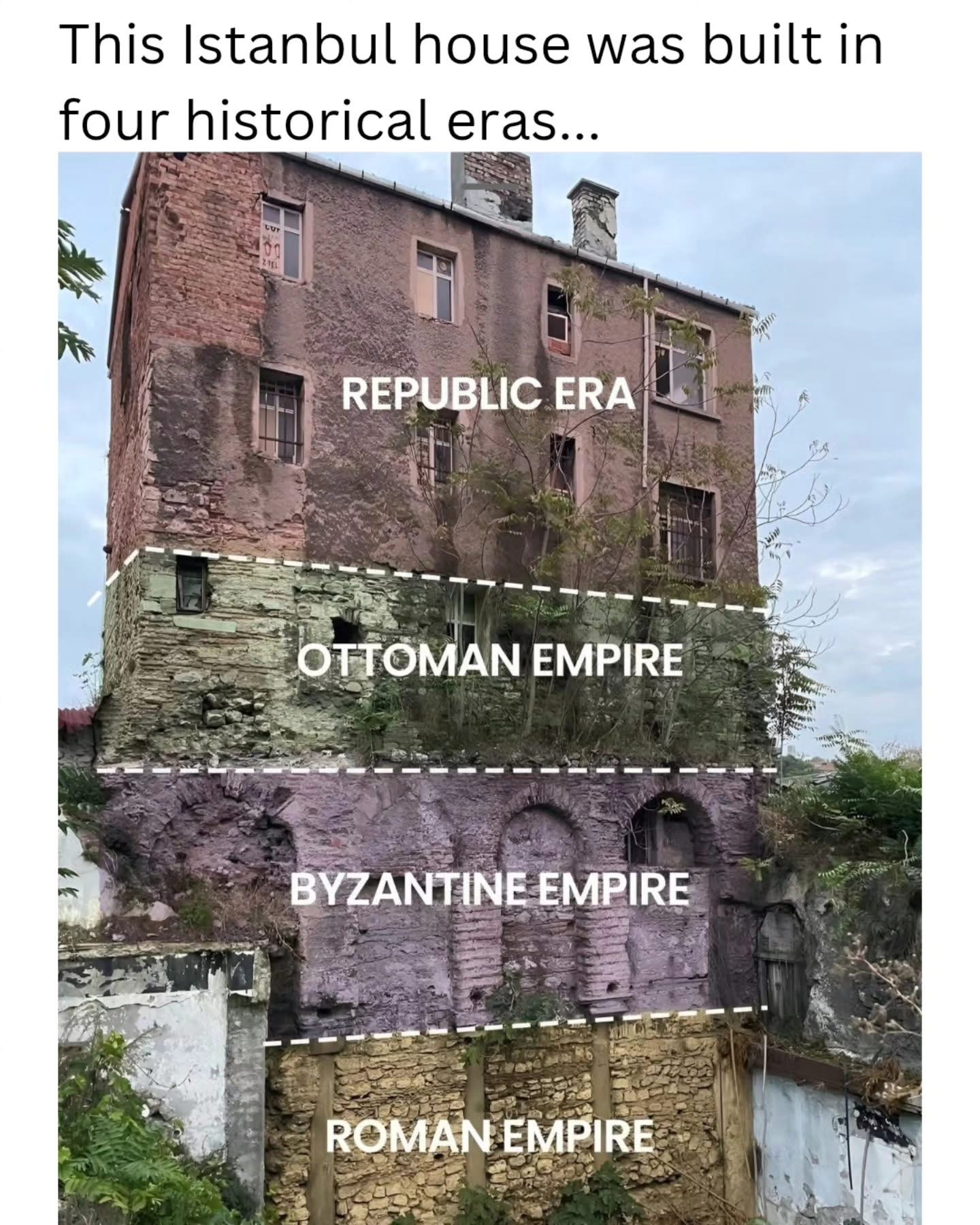
  • This modest building, now a small landmark in Istanbul’s urban fabric, exposes the city’s long memory through stone and brick.

    The Roman cistern at its foundation likely formed part of the city’s late antique water system, engineered to secure Constantinople against siege and drought, and its survival beneath later construction reflects both Roman durability and centuries of accidental preservation.

    When the city became the Byzantine capital, the space above was reorganized with brick arches and vaults, elements typical of commercial or storage structures tied to nearby forums and ports, where goods, taxes, and people circulated through the imperial economy.

    After the Ottoman conquest, the structure was not erased but adapted. Walls were repaired, openings reshaped, and materials reused in a practical continuity that valued function over monumentality. Subtle changes in masonry and mortar reveal these interventions, while early Republican era fixes introduced modern materials and techniques, prioritizing stability rather than historical purity. Each layer reflects a different relationship with the past: Roman ambition, Byzantine administration, Ottoman pragmatism, and modern necessity.
    This modest building, now a small landmark in Istanbul’s urban fabric, exposes the city’s long memory through stone and brick. The Roman cistern at its foundation likely formed part of the city’s late antique water system, engineered to secure Constantinople against siege and drought, and its survival beneath later construction reflects both Roman durability and centuries of accidental preservation. When the city became the Byzantine capital, the space above was reorganized with brick arches and vaults, elements typical of commercial or storage structures tied to nearby forums and ports, where goods, taxes, and people circulated through the imperial economy. After the Ottoman conquest, the structure was not erased but adapted. Walls were repaired, openings reshaped, and materials reused in a practical continuity that valued function over monumentality. Subtle changes in masonry and mortar reveal these interventions, while early Republican era fixes introduced modern materials and techniques, prioritizing stability rather than historical purity. Each layer reflects a different relationship with the past: Roman ambition, Byzantine administration, Ottoman pragmatism, and modern necessity.
    0 Commentaires 0 Parts 478 Vue
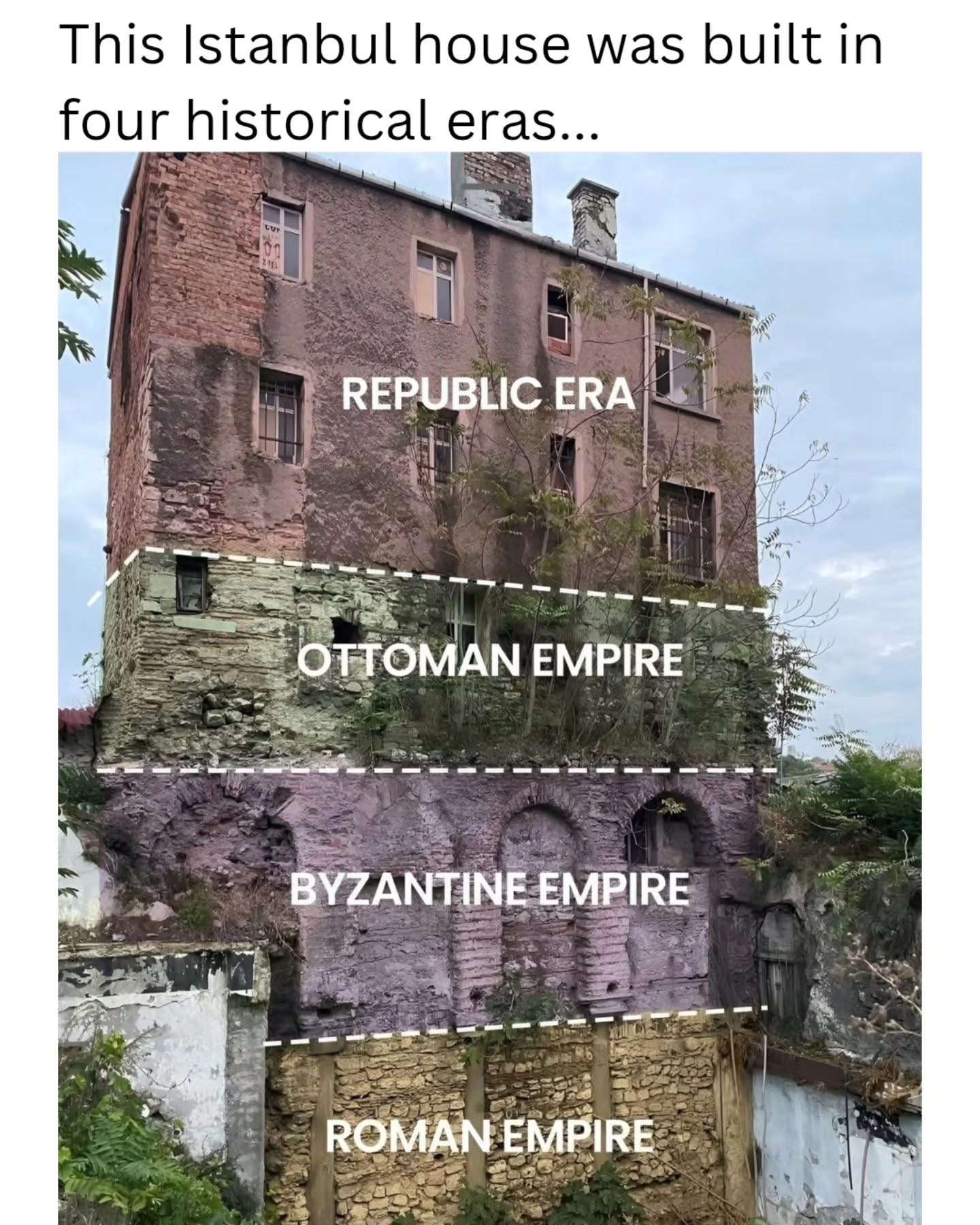
  • This modest building, now a small landmark in Istanbul’s urban fabric, exposes the city’s long memory through stone and brick.

    The Roman cistern at its foundation likely formed part of the city’s late antique water system, engineered to secure Constantinople against siege and drought, and its survival beneath later construction reflects both Roman durability and centuries of accidental preservation.

    When the city became the Byzantine capital, the space above was reorganized with brick arches and vaults, elements typical of commercial or storage structures tied to nearby forums and ports, where goods, taxes, and people circulated through the imperial economy.

    After the Ottoman conquest, the structure was not erased but adapted. Walls were repaired, openings reshaped, and materials reused in a practical continuity that valued function over monumentality. Subtle changes in masonry and mortar reveal these interventions, while early Republican era fixes introduced modern materials and techniques, prioritizing stability rather than historical purity. Each layer reflects a different relationship with the past: Roman ambition, Byzantine administration, Ottoman pragmatism, and modern necessity.
    This modest building, now a small landmark in Istanbul’s urban fabric, exposes the city’s long memory through stone and brick. The Roman cistern at its foundation likely formed part of the city’s late antique water system, engineered to secure Constantinople against siege and drought, and its survival beneath later construction reflects both Roman durability and centuries of accidental preservation. When the city became the Byzantine capital, the space above was reorganized with brick arches and vaults, elements typical of commercial or storage structures tied to nearby forums and ports, where goods, taxes, and people circulated through the imperial economy. After the Ottoman conquest, the structure was not erased but adapted. Walls were repaired, openings reshaped, and materials reused in a practical continuity that valued function over monumentality. Subtle changes in masonry and mortar reveal these interventions, while early Republican era fixes introduced modern materials and techniques, prioritizing stability rather than historical purity. Each layer reflects a different relationship with the past: Roman ambition, Byzantine administration, Ottoman pragmatism, and modern necessity.
    0 Commentaires 0 Parts 406 Vue
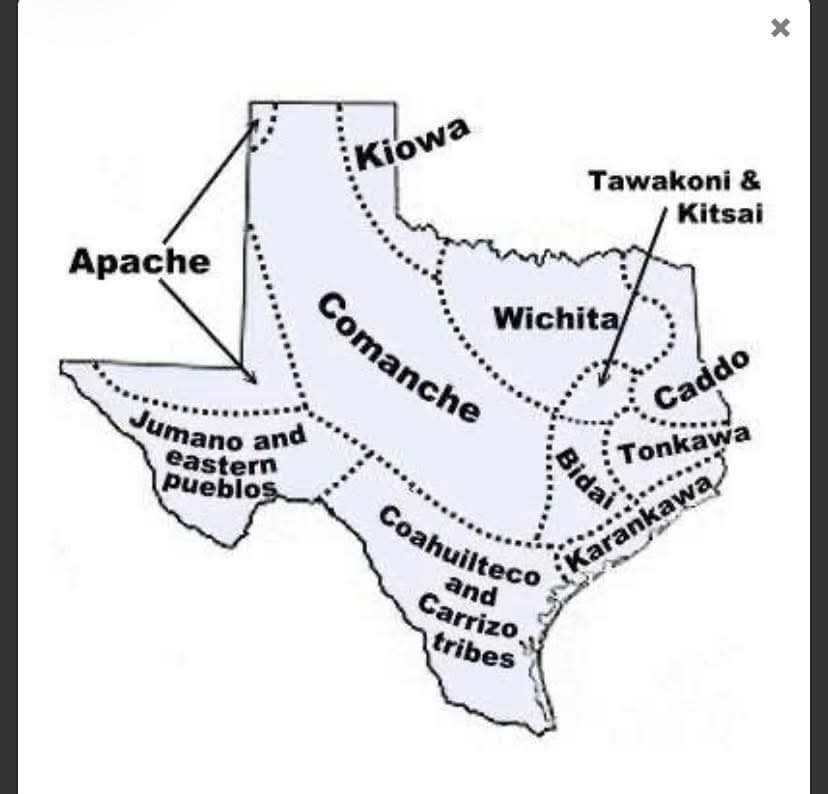
  • Native American tribes who originally inhabited the Texas region, including the meaning of their names and their history.

    1. Apache
    • Meaning of the Name: Generally believed to derive from the Pueblo-Zuni word "Apachu," meaning "enemy." However, the Apache people call themselves "Inde," "Tinde," or "Tinneh," all meaning "the people."
    • History and Culture:
    • Originally from the north, they migrated to the American Southwest and Plains regions between the 12th and 16th centuries.
    • They were nomadic hunter-gatherers, roaming vast territories to hunt buffalo and forage for food.
    • After acquiring horses from the Spanish in the 17th century, they became a powerful mounted nation. The Lipan Apache were prominent in the Texas region.

    2. Comanche
    • Meaning of the Name: Derived from a Ute word meaning "anyone who wants to fight me all the time." The people refer to themselves as "Nʉmʉnʉʉ" (NUH-MUH-NUH), meaning "The People."
    • History and Culture:
    • Dominated the Southern Plains of Texas in the 18th and 19th centuries and were known as the "Lords of the Plains."
    • They were originally part of the Shoshone tribe from Wyoming and moved south.
    • They were exceptionally skilled at breeding and using horses, and their horseback fighting ability was unique and unmatched by other tribes of the time.
    • Buffalo products were the core of their economy and way of life.

    3. Kiowa
    • Meaning of the Name: Derived from "Ka'I gwu" or "Ka'I gua" in their own language, meaning "principal people" or "leading people."
    • History and Culture:
    • Originally from western Montana, they migrated to the Yellowstone River and Black Hills, becoming skilled horsemen and buffalo hunters.
    • They gradually moved south into the northern Texas and Oklahoma regions in the early 18th century.
    • They were known for unique cultural practices like their Sun Dance ceremony.
    • They had a prestigious warrior society known as the "Principal Dogs" or "Ten Bravest."

    4. Jumano and Eastern Pueblos

    Meaning of the Name: The term "Jumano" referred to at least three distinct groups in the Southwest and Southern Plains between 1500 and 1700. They were called "rayado" (striped or marked people) due to the distinctive horizontal striped patterns tattooed or painted on their faces.
    • History and Culture:
    • They were primarily buffalo hunters and traders, playing a crucial role as middlemen between the Spanish colonies and various Indigenous groups.
    • Their main territory was in Central Texas, between the lower Pecos River and the Colorado River.
    • "Eastern Pueblos" may refer to people living in villages like the "Humanas pueblos" in eastern New Mexico, with whom the Jumano were associated.

    5. Coahuilteco and Carrizo Tribes
    • Meaning of the Name:
    • Coahuilteco: Not an original name for a single tribe, but an umbrella term created by Mexican linguists to group many bands and clans speaking various dialects in Northern Mexico and South Texas.
    • Carrizo: A Spanish word meaning "reed," applied to many Coahuiltecan groups along the Rio Grande. (For example, the Comecrudo tribe, whose Spanish name means "eats raw meat," was also called Carrizo).
    • History and Culture:
    • They were nomadic hunter-gatherers who lived along the Rio Grande and throughout South Texas.
    • They established villages near rivers and water sources.
    • Due to disease and conflict with European settlers, their population was decimated. Many sought refuge in Spanish missions, where they adopted European farming techniques.

    6. Karankawa
    • Meaning of the Name: Generally believed to mean "dog-lovers" or "dog-raisers" in their own language, as they were known to keep dogs described as a fox-like or coyote-like breed.
    • History and Culture:
    • A coastal people who lived along the Texas Coast from Galveston Island to south of Corpus Christi.
    • Their encounter with the Spanish explorer Álvar Núñez Cabeza de Vaca in 1528 marks the earliest recorded contact between Europeans and the First Peoples of Texas.
    • They were nomadic, using dugout canoes to travel the shallow coastal waterways.
    • They were known for tattooing their bodies.

    7. Tonkawa
    • Meaning of the Name: Comes from the Waco language, meaning "they all stay together." They called themselves "Titska Watitch," which means "the most human of people."
    • History and Culture:
    • A nomadic hunting tribe originally from eastern and central Texas and Oklahoma, hunting buffalo, deer, and other game.
    • They lived in about 20 independent wandering bands.
    • Historically, they were often at war with neighboring tribes like the Apache and Comanche.
    • They faced forced relocations and population decline due to violence in the 19th century.

    8. Bidai
    • Meaning of the Name: A Caddo word for "brushwood," named after the local geography along Bedias Creek where they lived. They referred to themselves as "Quasmigdo."
    • History and Culture:
    • Settled in East Texas, between the Brazos and Neches Rivers.
    • Some historical records suggest they may be one of the oldest tribes in Texas.
    • They practiced agriculture (maize), hunting (bison, deer), and fishing.
    • They were allied with Caddo and Atakapan tribes.

    9. Caddo
    • Meaning of the Name: Derived from the French abbreviation of "Kadohadacho," a Caddo word meaning "real chief" or "real Caddo."
    • History and Culture:
    • A confederacy of about 25 affiliated groups centered around the Red River in Texas, Arkansas, Louisiana, and Oklahoma.
    • They were sedentary agriculturalists, focusing on farming.
    • They developed complex social and political systems, centered around the construction and use of earthen temple and burial mounds.
    • Their leadership hierarchy included the xinesi (spiritual leader), caddi (principal headman), and canahas (subordinate headmen). The name of the state, Texas, comes from the Caddo word taysha, meaning "friend" or "ally."

    10. Wichita
    • Meaning of the Name: The origin is unknown, but they called themselves "Kitikiti'sh," meaning "the people" or "the preeminent people." French traders called them "Pani Piqué" (Tattooed Pawnee), referring to their distinctive tattoos.
    • History and Culture:
    • A confederacy of subtribes (including Taovaya, Tawakoni, Waco, and Kichai) who mainly lived in Northern Texas and South-Central Kansas.
    • They combined agriculture (corn, beans) with hunting (buffalo, deer).
    • They lived in distinctive conical, haystack-shaped houses made of grass and matting.
    • Their society was matrilocal (married couples lived with the wife's family) and matrilineal (descent was traced through the mother's line).

    11. Tawakoni & Kitsai
    • Tawakoni:
    • Meaning of the Name: Believed to mean "river bend among red sand hills." The French also referred to them as "Three Canes."
    • History: A Caddoan tribe and member of the Wichita Confederacy, they settled along the Brazos and Trinity Rivers in Texas in the 18th century. They shared similar agricultural and housing methods with the Wichita.
    • Kitsai:
    • A subtribe of the Wichita Confederacy. Notably, the Kitsai were the only group within the Wichita Confederacy to speak a distinct Caddoan language.

    Note : Most descendants of these historic Texas tribes were forcibly relocated to reservations, primarily in Oklahoma, during the 19th century. However, as noted in the follow-up, three federally recognized tribes and numerous descendants of the original tribes continue to reside in Texas today.


    Native American tribes who originally inhabited the Texas region, including the meaning of their names and their history. 1. Apache • Meaning of the Name: Generally believed to derive from the Pueblo-Zuni word "Apachu," meaning "enemy." However, the Apache people call themselves "Inde," "Tinde," or "Tinneh," all meaning "the people." • History and Culture: • Originally from the north, they migrated to the American Southwest and Plains regions between the 12th and 16th centuries. • They were nomadic hunter-gatherers, roaming vast territories to hunt buffalo and forage for food. • After acquiring horses from the Spanish in the 17th century, they became a powerful mounted nation. The Lipan Apache were prominent in the Texas region. 2. Comanche • Meaning of the Name: Derived from a Ute word meaning "anyone who wants to fight me all the time." The people refer to themselves as "Nʉmʉnʉʉ" (NUH-MUH-NUH), meaning "The People." • History and Culture: • Dominated the Southern Plains of Texas in the 18th and 19th centuries and were known as the "Lords of the Plains." • They were originally part of the Shoshone tribe from Wyoming and moved south. • They were exceptionally skilled at breeding and using horses, and their horseback fighting ability was unique and unmatched by other tribes of the time. • Buffalo products were the core of their economy and way of life. 3. Kiowa • Meaning of the Name: Derived from "Ka'I gwu" or "Ka'I gua" in their own language, meaning "principal people" or "leading people." • History and Culture: • Originally from western Montana, they migrated to the Yellowstone River and Black Hills, becoming skilled horsemen and buffalo hunters. • They gradually moved south into the northern Texas and Oklahoma regions in the early 18th century. • They were known for unique cultural practices like their Sun Dance ceremony. • They had a prestigious warrior society known as the "Principal Dogs" or "Ten Bravest." 4. Jumano and Eastern Pueblos Meaning of the Name: The term "Jumano" referred to at least three distinct groups in the Southwest and Southern Plains between 1500 and 1700. They were called "rayado" (striped or marked people) due to the distinctive horizontal striped patterns tattooed or painted on their faces. • History and Culture: • They were primarily buffalo hunters and traders, playing a crucial role as middlemen between the Spanish colonies and various Indigenous groups. • Their main territory was in Central Texas, between the lower Pecos River and the Colorado River. • "Eastern Pueblos" may refer to people living in villages like the "Humanas pueblos" in eastern New Mexico, with whom the Jumano were associated. 5. Coahuilteco and Carrizo Tribes • Meaning of the Name: • Coahuilteco: Not an original name for a single tribe, but an umbrella term created by Mexican linguists to group many bands and clans speaking various dialects in Northern Mexico and South Texas. • Carrizo: A Spanish word meaning "reed," applied to many Coahuiltecan groups along the Rio Grande. (For example, the Comecrudo tribe, whose Spanish name means "eats raw meat," was also called Carrizo). • History and Culture: • They were nomadic hunter-gatherers who lived along the Rio Grande and throughout South Texas. • They established villages near rivers and water sources. • Due to disease and conflict with European settlers, their population was decimated. Many sought refuge in Spanish missions, where they adopted European farming techniques. 6. Karankawa • Meaning of the Name: Generally believed to mean "dog-lovers" or "dog-raisers" in their own language, as they were known to keep dogs described as a fox-like or coyote-like breed. • History and Culture: • A coastal people who lived along the Texas Coast from Galveston Island to south of Corpus Christi. • Their encounter with the Spanish explorer Álvar Núñez Cabeza de Vaca in 1528 marks the earliest recorded contact between Europeans and the First Peoples of Texas. • They were nomadic, using dugout canoes to travel the shallow coastal waterways. • They were known for tattooing their bodies. 7. Tonkawa • Meaning of the Name: Comes from the Waco language, meaning "they all stay together." They called themselves "Titska Watitch," which means "the most human of people." • History and Culture: • A nomadic hunting tribe originally from eastern and central Texas and Oklahoma, hunting buffalo, deer, and other game. • They lived in about 20 independent wandering bands. • Historically, they were often at war with neighboring tribes like the Apache and Comanche. • They faced forced relocations and population decline due to violence in the 19th century. 8. Bidai • Meaning of the Name: A Caddo word for "brushwood," named after the local geography along Bedias Creek where they lived. They referred to themselves as "Quasmigdo." • History and Culture: • Settled in East Texas, between the Brazos and Neches Rivers. • Some historical records suggest they may be one of the oldest tribes in Texas. • They practiced agriculture (maize), hunting (bison, deer), and fishing. • They were allied with Caddo and Atakapan tribes. 9. Caddo • Meaning of the Name: Derived from the French abbreviation of "Kadohadacho," a Caddo word meaning "real chief" or "real Caddo." • History and Culture: • A confederacy of about 25 affiliated groups centered around the Red River in Texas, Arkansas, Louisiana, and Oklahoma. • They were sedentary agriculturalists, focusing on farming. • They developed complex social and political systems, centered around the construction and use of earthen temple and burial mounds. • Their leadership hierarchy included the xinesi (spiritual leader), caddi (principal headman), and canahas (subordinate headmen). The name of the state, Texas, comes from the Caddo word taysha, meaning "friend" or "ally." 10. Wichita • Meaning of the Name: The origin is unknown, but they called themselves "Kitikiti'sh," meaning "the people" or "the preeminent people." French traders called them "Pani Piqué" (Tattooed Pawnee), referring to their distinctive tattoos. • History and Culture: • A confederacy of subtribes (including Taovaya, Tawakoni, Waco, and Kichai) who mainly lived in Northern Texas and South-Central Kansas. • They combined agriculture (corn, beans) with hunting (buffalo, deer). • They lived in distinctive conical, haystack-shaped houses made of grass and matting. • Their society was matrilocal (married couples lived with the wife's family) and matrilineal (descent was traced through the mother's line). 11. Tawakoni & Kitsai • Tawakoni: • Meaning of the Name: Believed to mean "river bend among red sand hills." The French also referred to them as "Three Canes." • History: A Caddoan tribe and member of the Wichita Confederacy, they settled along the Brazos and Trinity Rivers in Texas in the 18th century. They shared similar agricultural and housing methods with the Wichita. • Kitsai: • A subtribe of the Wichita Confederacy. Notably, the Kitsai were the only group within the Wichita Confederacy to speak a distinct Caddoan language. Note : Most descendants of these historic Texas tribes were forcibly relocated to reservations, primarily in Oklahoma, during the 19th century. However, as noted in the follow-up, three federally recognized tribes and numerous descendants of the original tribes continue to reside in Texas today.

    0 Commentaires 0 Parts 6268 Vue
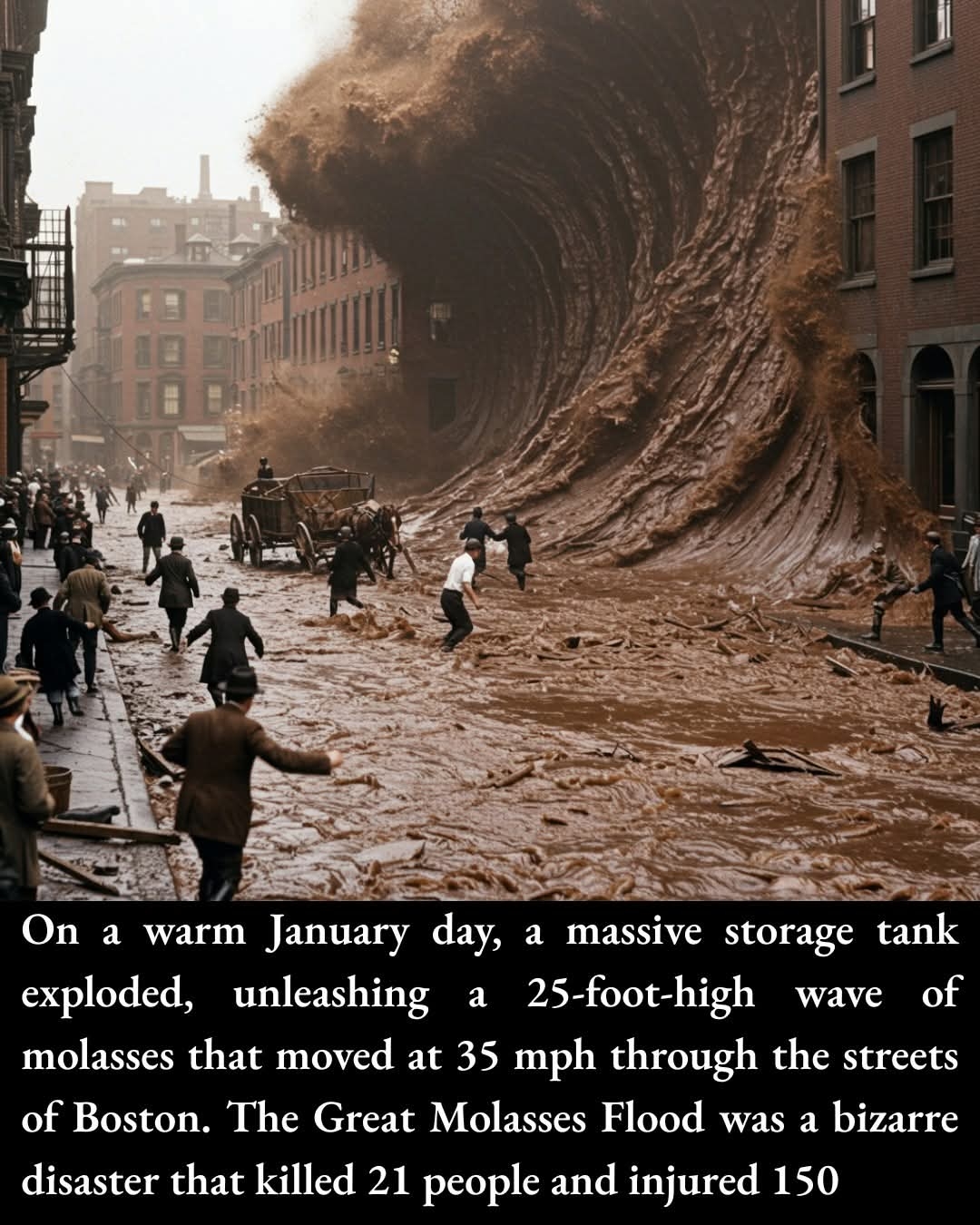
  • It is one of the strangest disasters in American history. On January 15, 1919, in the North End of Boston, a massive, 50-foot-tall steel storage tank suddenly ruptured. The tank contained over 2.3 million gallons of molasses, which was used to produce industrial alcohol for munitions. The rupture unleashed a colossal wave of sticky, brown molasses, estimated to be 25 feet high at its peak, which crashed through the streets at a speed of 35 miles per hour. The force of the wave was incredible. It was so powerful it knocked buildings off their foundations, buckled the elevated railway tracks, and swept up everything in its path. People and animals caught in the wave were either crushed by the force or suffocated in the thick, viscous liquid. In total, 21 people were killed, and 150 were injured. The cleanup took weeks, and the harbor was stained brown for months. For decades after, residents claimed that on hot summer days, the sweet smell of molasses still lingered in the neighborhood. The disaster was later found to have been caused by a poorly constructed and tested tank, leading to one of the first class-action lawsuits in Massachusetts history and new standards for engineering and construction.
    It is one of the strangest disasters in American history. On January 15, 1919, in the North End of Boston, a massive, 50-foot-tall steel storage tank suddenly ruptured. The tank contained over 2.3 million gallons of molasses, which was used to produce industrial alcohol for munitions. The rupture unleashed a colossal wave of sticky, brown molasses, estimated to be 25 feet high at its peak, which crashed through the streets at a speed of 35 miles per hour. The force of the wave was incredible. It was so powerful it knocked buildings off their foundations, buckled the elevated railway tracks, and swept up everything in its path. People and animals caught in the wave were either crushed by the force or suffocated in the thick, viscous liquid. In total, 21 people were killed, and 150 were injured. The cleanup took weeks, and the harbor was stained brown for months. For decades after, residents claimed that on hot summer days, the sweet smell of molasses still lingered in the neighborhood. The disaster was later found to have been caused by a poorly constructed and tested tank, leading to one of the first class-action lawsuits in Massachusetts history and new standards for engineering and construction.
    0 Commentaires 0 Parts 2348 Vue
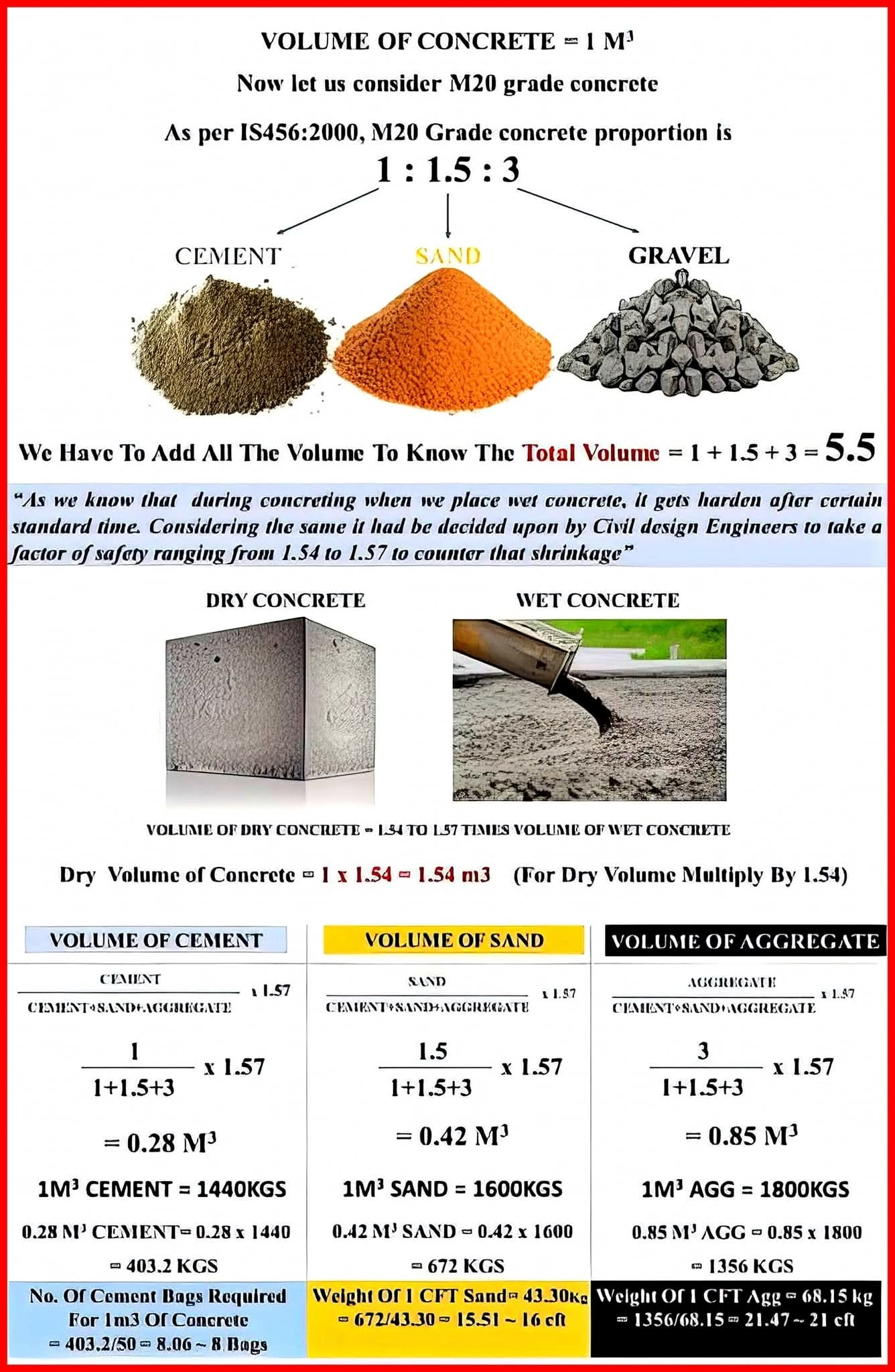
  • This infographic explains how to calculate the exact amounts of cement, sand, and gravel needed for M20 grade concrete.

    The process starts with the standard M20 mix proportion of 1:1.5:3 (1 part cement, 1.5 parts sand, and 3 parts gravel). A crucial step often overlooked is accounting for the shrinkage that occurs when wet concrete hardens. To compensate for this volume loss, civil engineers apply a safety factor (typically 1.54 to 1.57) to the desired wet volume to determine the required dry volume of materials.

    Following the calculations in the image to get 1 cubic meter of finished concrete, you would need:

    Cement: 0.28 m³, or approximately 8 bags.

    Sand: 0.42 m³, or about 16 cubic feet.

    Aggregate (Gravel): 0.85 m³, or about 21 cubic feet.

    This is a fantastic reference for getting your mix proportions right every time!

    #CivilEngineering #Construction #ConcreteMix #BuildingTips #DIYProjects #Engineering #M20Concrete #ConstructionMath #BuildingMaterials
    This infographic explains how to calculate the exact amounts of cement, sand, and gravel needed for M20 grade concrete. The process starts with the standard M20 mix proportion of 1:1.5:3 (1 part cement, 1.5 parts sand, and 3 parts gravel). A crucial step often overlooked is accounting for the shrinkage that occurs when wet concrete hardens. To compensate for this volume loss, civil engineers apply a safety factor (typically 1.54 to 1.57) to the desired wet volume to determine the required dry volume of materials. Following the calculations in the image to get 1 cubic meter of finished concrete, you would need: Cement: 0.28 m³, or approximately 8 bags. Sand: 0.42 m³, or about 16 cubic feet. Aggregate (Gravel): 0.85 m³, or about 21 cubic feet. This is a fantastic reference for getting your mix proportions right every time! #CivilEngineering #Construction #ConcreteMix #BuildingTips #DIYProjects #Engineering #M20Concrete #ConstructionMath #BuildingMaterials
    0 Commentaires 0 Parts 5956 Vue
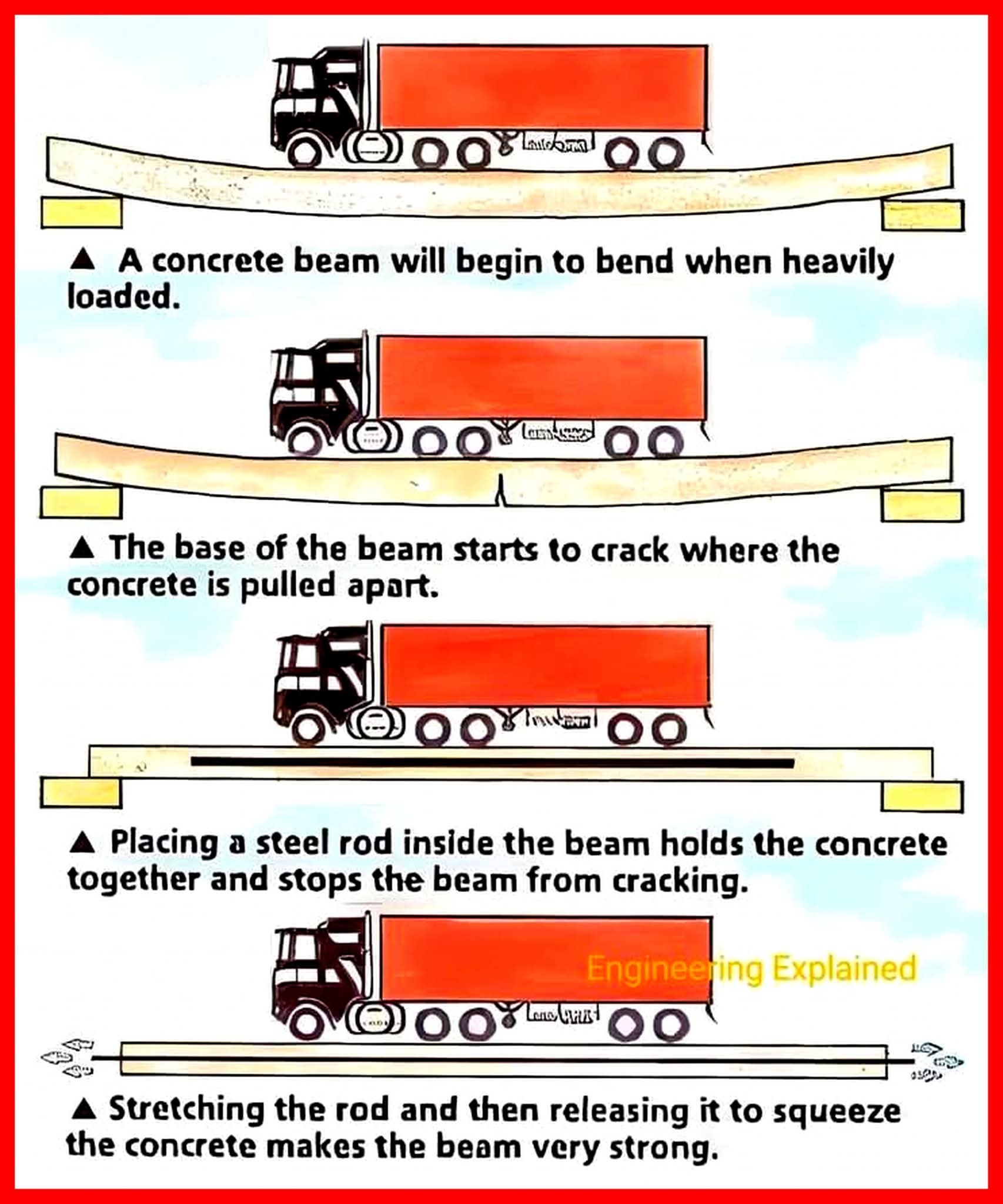
  • Step-by-step explanation of how reinforced and prestressed concrete beams work under heavy loads. Concrete alone is strong in compression but weak in tension, which is why reinforcement is crucial for structural safety and durability.

    Concrete Beam Under Load: A plain concrete beam bends when a heavy load (like a truck) is applied, showing its natural weakness under tension.
    Cracking at the Base: The base of the beam begins to crack because concrete is being pulled apart due to tensile stress.
    Reinforced with Steel Rods: By placing a steel rod inside the beam, the reinforcement holds the concrete together, preventing cracks and providing tensile strength.
    Prestressed Concrete: When the steel rod is stretched before pouring concrete and then released, it compresses the beam. This pre-compression counters the tensile forces when loads are applied, making the beam significantly stronger and more durable.

    This is why modern construction uses reinforced and prestressed concrete beams in bridges, buildings, and highways, ensuring safety and longevity under massive loads.

    #EngineeringExplained #CivilEngineering #ConcreteStructures #StructuralEngineering #ReinforcedConcrete #PrestressedConcrete #ConstructionTech
    Step-by-step explanation of how reinforced and prestressed concrete beams work under heavy loads. Concrete alone is strong in compression but weak in tension, which is why reinforcement is crucial for structural safety and durability. 1️⃣ Concrete Beam Under Load: A plain concrete beam bends when a heavy load (like a truck) is applied, showing its natural weakness under tension. 2️⃣ Cracking at the Base: The base of the beam begins to crack because concrete is being pulled apart due to tensile stress. 3️⃣ Reinforced with Steel Rods: By placing a steel rod inside the beam, the reinforcement holds the concrete together, preventing cracks and providing tensile strength. 4️⃣ Prestressed Concrete: When the steel rod is stretched before pouring concrete and then released, it compresses the beam. This pre-compression counters the tensile forces when loads are applied, making the beam significantly stronger and more durable. 👉 This is why modern construction uses reinforced and prestressed concrete beams in bridges, buildings, and highways, ensuring safety and longevity under massive loads. 🚛🏗️ #EngineeringExplained #CivilEngineering #ConcreteStructures #StructuralEngineering #ReinforcedConcrete #PrestressedConcrete #ConstructionTech
    0 Commentaires 0 Parts 6671 Vue
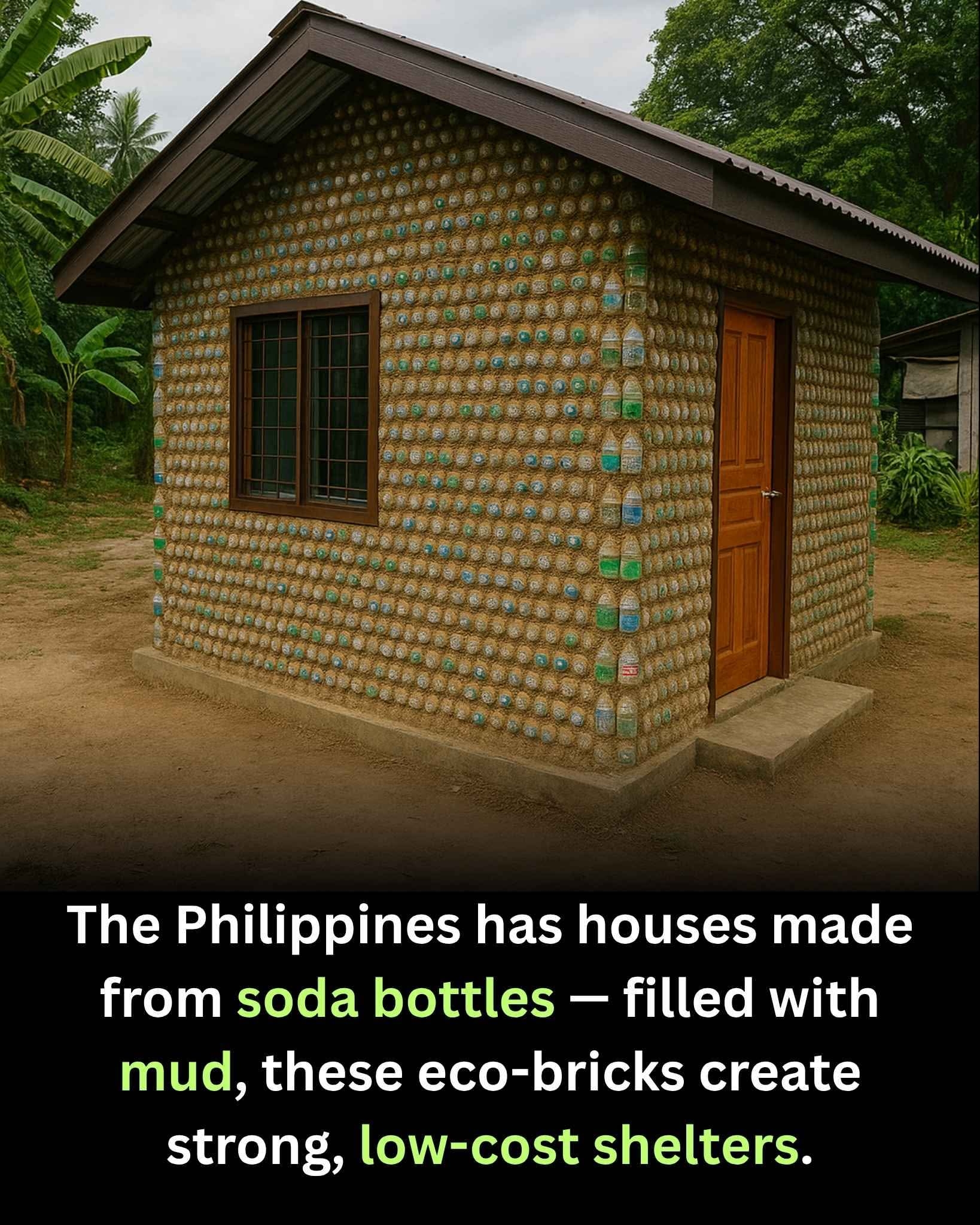
  • In the Philippines, an inspiring wave of sustainable housing is taking shape — literally — with walls made from plastic soda bottles. These discarded bottles are packed tightly with mud, sand, or trash to form “eco-bricks,” which are then stacked like traditional bricks and cemented in place to build sturdy, affordable homes.

    This method not only recycles non-biodegradable waste but also cuts construction costs significantly, offering low-income communities a way to build durable shelters using easily available materials. The bottles provide excellent insulation and resilience against weather, making them ideal for tropical climates.

    Beyond individual homes, schools and community centers have also been built using these eco-bricks, often by local volunteers. It’s a creative, grassroots solution that addresses both the housing crisis and the mounting problem of plastic waste — proving that what’s thrown away can become the foundation for a better future.

    #EcoBrickHomes #TrashToShelter #SustainablePhilippines
    In the Philippines, an inspiring wave of sustainable housing is taking shape — literally — with walls made from plastic soda bottles. These discarded bottles are packed tightly with mud, sand, or trash to form “eco-bricks,” which are then stacked like traditional bricks and cemented in place to build sturdy, affordable homes. This method not only recycles non-biodegradable waste but also cuts construction costs significantly, offering low-income communities a way to build durable shelters using easily available materials. The bottles provide excellent insulation and resilience against weather, making them ideal for tropical climates. Beyond individual homes, schools and community centers have also been built using these eco-bricks, often by local volunteers. It’s a creative, grassroots solution that addresses both the housing crisis and the mounting problem of plastic waste — proving that what’s thrown away can become the foundation for a better future. #EcoBrickHomes #TrashToShelter #SustainablePhilippines
    0 Commentaires 0 Parts 4741 Vue
  • “Lead me... but not like that.”

    Men are confused.

    Because when a woman says: “I want a man who leads... who protects... who provides...” It sounds like she’s asking for structure.

    But the moment a man sets structure...
    He’s often met with resistance.

    She says: “I want a masculine man”
    But when he asserts boundaries, she calls it control.
    When he offers vision, she calls it ego.
    When he moves with authority, she questions his tone.

    So now men are asking...

    Do women really want leadership?
    Or do they want influence... with the illusion of guidance?

    Do they want protection...
    But only when it’s soft and agreeable?

    Do they want provision...
    But only if it doesn't require submission?

    Because here’s the contradiction most men see:
    If a woman doesn’t trust a man’s leadership...
    Why is she with him?

    You don’t ask the blind to drive...
    So why do women ask men to lead... and then fight the direction?

    Leadership is not dictatorship.
    But it does require clarity, order, and the ability to say “no.”

    And a man can’t build a home with a partner who wants to decorate the blueprint mid-construction.

    So here’s the question...

    What do modern women really mean when they ask for a man to lead?

    And are they truly ready for what real leadership demands?

    #GenderWars #RelationshipRoles #ModernMasculinity #LeadProtectProvide #MasculineEnergy #SubmissionOrControl #MasculineLeadership #WomenAndLeadership #RelationshipClarity #SpiritualUnion #AccountabilityStartsHere
    “Lead me... but not like that.” Men are confused. Because when a woman says: “I want a man who leads... who protects... who provides...” It sounds like she’s asking for structure. But the moment a man sets structure... He’s often met with resistance. She says: “I want a masculine man” But when he asserts boundaries, she calls it control. When he offers vision, she calls it ego. When he moves with authority, she questions his tone. So now men are asking... Do women really want leadership? Or do they want influence... with the illusion of guidance? Do they want protection... But only when it’s soft and agreeable? Do they want provision... But only if it doesn't require submission? Because here’s the contradiction most men see: If a woman doesn’t trust a man’s leadership... Why is she with him? You don’t ask the blind to drive... So why do women ask men to lead... and then fight the direction? Leadership is not dictatorship. But it does require clarity, order, and the ability to say “no.” And a man can’t build a home with a partner who wants to decorate the blueprint mid-construction. So here’s the question... What do modern women really mean when they ask for a man to lead? And are they truly ready for what real leadership demands? #GenderWars #RelationshipRoles #ModernMasculinity #LeadProtectProvide #MasculineEnergy #SubmissionOrControl #MasculineLeadership #WomenAndLeadership #RelationshipClarity #SpiritualUnion #AccountabilityStartsHere
    0 Commentaires 0 Parts 10616 Vue
Plus de résultats