• https://x.com/thejustinmecham/status/2092579082395660603
    https://x.com/thejustinmecham/status/2092579082395660603
    0 Commentarii 0 Distribuiri 46 Views
  • https://x.com/thejustinmecham/status/2092216665459274219
    https://x.com/thejustinmecham/status/2092216665459274219
    0 Commentarii 0 Distribuiri 195 Views
  • https://x.com/thejustinmecham/status/2092216665459274219
    https://x.com/thejustinmecham/status/2092216665459274219
    0 Commentarii 0 Distribuiri 186 Views
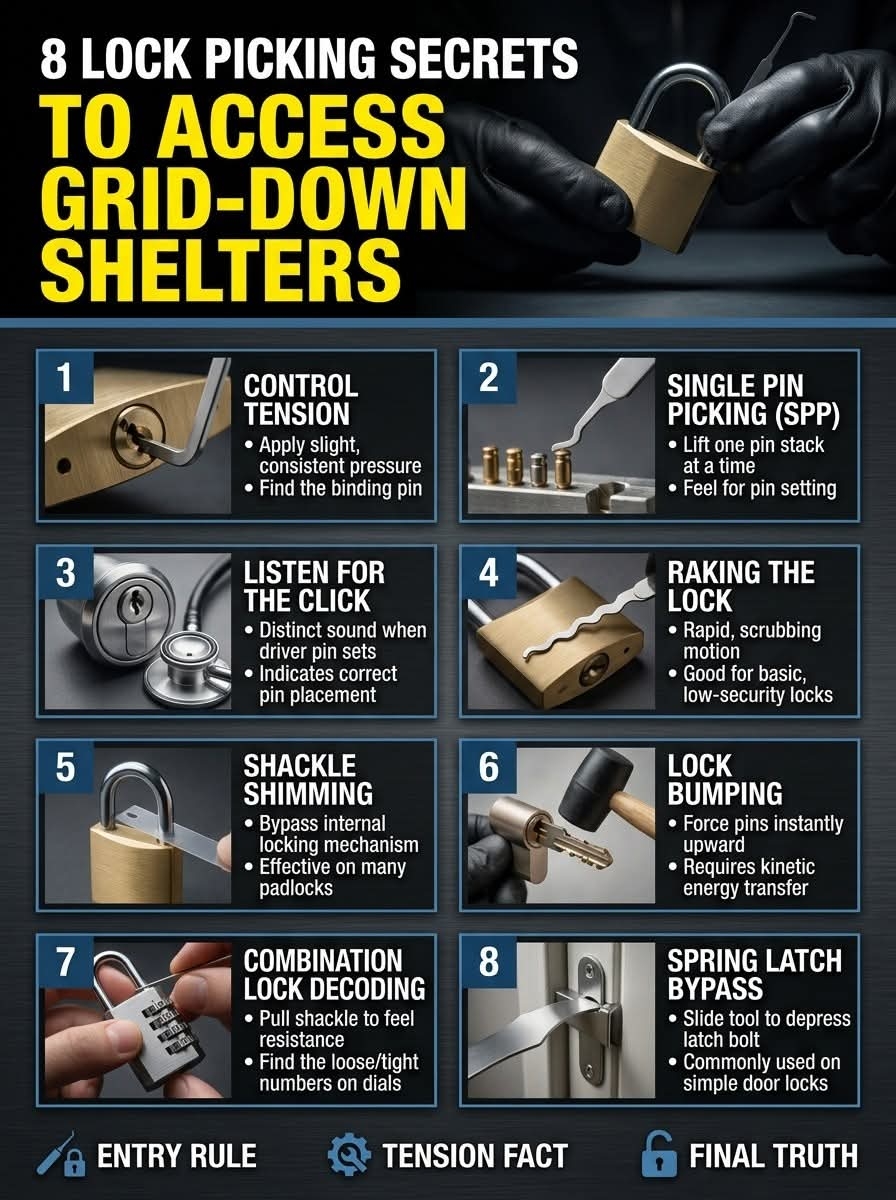
  • Smashing a window or kicking a door is loud, exhausts calories, and alerts everyone within a mile. If you need to access supplies or secure a shelter, silence is survival. Understanding the mechanics of locks turns closed doors into open opportunities. Covert entry is a mandatory urban survival skill. Have you ever practiced picking a clear practice lock? #CovertEntry #LockPicking #UrbanSurvival #GrayMan #TacticalSkills
    Smashing a window or kicking a door is loud, exhausts calories, and alerts everyone within a mile. If you need to access supplies or secure a shelter, silence is survival. Understanding the mechanics of locks turns closed doors into open opportunities. Covert entry is a mandatory urban survival skill. 🔓🚪🤫 Have you ever practiced picking a clear practice lock? #CovertEntry #LockPicking #UrbanSurvival #GrayMan #TacticalSkills
    0 Commentarii 0 Distribuiri 691 Views
  • $4,199. That was the original U.S. launch price of Sony’s DCR-VX1000 in 1995, a reminder of just how expensive capturing moving memories could once be.

    Rewind a little further and one of the first consumer camcorders, Sony’s Betamovie BMC-110, arrived in 1983 with a $1,500 price tag. A year later JVC answered with the GR-C1, followed by Panasonic, Sharp, and a growing wave of machines that promised to turn ordinary family moments into memories you could actually replay.

    Then the shrinking began. Camcorders went from bulky machines to compact devices that could fit in one hand. Flip-out screens became standard. Analog tape gave way to MiniDV, DVDs, hard drives, and memory cards. Prices that once reached thousands of dollars gradually fell until the Flip Video Ultra arrived for just $149.99 and made home video easier than ever.

    Put that whole run together and you have the American family album in motion: the shaky zoom toward a birthday cake, the little red REC light glowing in a dark auditorium, the sound of a tape mechanism clicking to life. These weren’t just gadgets. They’re the reason so many first steps, graduations, vacations, and backyard pool jumps can still be watched today.

    The technology kept getting smaller and sharper, but the job never changed.
    Press the button. Hold the moment. Keep it forever.

    #AmericanNostalgia #VintageCamcorders #HomeVideo #90s #VintageTechnology
    $4,199. 📼 That was the original U.S. launch price of Sony’s DCR-VX1000 in 1995, a reminder of just how expensive capturing moving memories could once be. Rewind a little further and one of the first consumer camcorders, Sony’s Betamovie BMC-110, arrived in 1983 with a $1,500 price tag. 🎥 A year later JVC answered with the GR-C1, followed by Panasonic, Sharp, and a growing wave of machines that promised to turn ordinary family moments into memories you could actually replay. Then the shrinking began. Camcorders went from bulky machines to compact devices that could fit in one hand. 📷 Flip-out screens became standard. Analog tape gave way to MiniDV, DVDs, hard drives, and memory cards. Prices that once reached thousands of dollars gradually fell until the Flip Video Ultra arrived for just $149.99 and made home video easier than ever. Put that whole run together and you have the American family album in motion: the shaky zoom toward a birthday cake, the little red REC light glowing in a dark auditorium, the sound of a tape mechanism clicking to life. 🎬 These weren’t just gadgets. They’re the reason so many first steps, graduations, vacations, and backyard pool jumps can still be watched today. The technology kept getting smaller and sharper, but the job never changed. Press the button. Hold the moment. Keep it forever. ❤️ #AmericanNostalgia #VintageCamcorders #HomeVideo #90s #VintageTechnology

    0 Commentarii 0 Distribuiri 2K Views
  • https://x.com/thejustinmecham/status/2083884349087502764?s=20
    https://x.com/thejustinmecham/status/2083884349087502764?s=20
    0 Commentarii 0 Distribuiri 106 Views
  • https://x.com/thejustinmecham/status/2083520316748476546?s=20
    https://x.com/thejustinmecham/status/2083520316748476546?s=20
    0 Commentarii 0 Distribuiri 127 Views
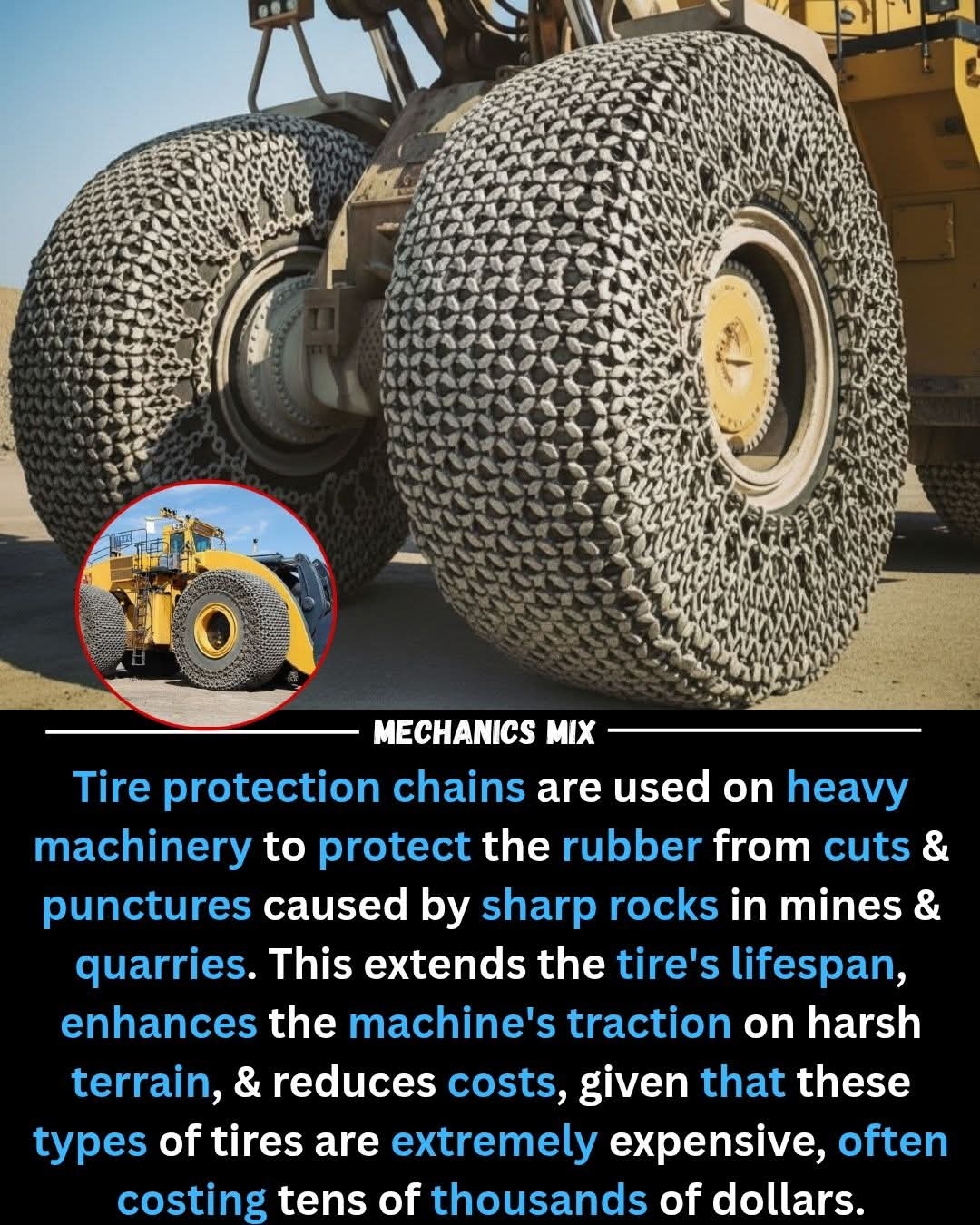
  • In the demanding world of industrial mining and heavy construction, tire protection chains serve as an indispensable steel armor for massive earthmovers. These intricately woven mesh systems wrap around the enormous rubber tires to shield them from the jagged, razor-sharp rocks typically found in quarries and underground mines. By acting as a sacrificial barrier, these chains prevent catastrophic punctures and surface tears that could lead to dangerous blowouts or costly operational downtime. Beyond mere protection, they significantly improve the machine's traction and stability on loose or slippery terrain, ensuring that these mechanical giants can operate with precision even in the most hostile environments.

    ​The primary driver behind adopting this technology is the staggering economic reality of heavy-duty equipment maintenance. A single tire for a large loader can command a price tag of tens of thousands of dollars, making any premature failure a significant financial blow to a project. By investing in high-quality steel chains, companies can effectively double or even triple the service life of their tires, transforming a vulnerable high-cost component into a durable long-term asset. This strategic layer of steel not only safeguards the equipment but also ensures a more sustainable and cost-effective workflow by minimizing the need for frequent, expensive replacements in the world’s toughest workspaces.
    In the demanding world of industrial mining and heavy construction, tire protection chains serve as an indispensable steel armor for massive earthmovers. These intricately woven mesh systems wrap around the enormous rubber tires to shield them from the jagged, razor-sharp rocks typically found in quarries and underground mines. By acting as a sacrificial barrier, these chains prevent catastrophic punctures and surface tears that could lead to dangerous blowouts or costly operational downtime. Beyond mere protection, they significantly improve the machine's traction and stability on loose or slippery terrain, ensuring that these mechanical giants can operate with precision even in the most hostile environments. ​The primary driver behind adopting this technology is the staggering economic reality of heavy-duty equipment maintenance. A single tire for a large loader can command a price tag of tens of thousands of dollars, making any premature failure a significant financial blow to a project. By investing in high-quality steel chains, companies can effectively double or even triple the service life of their tires, transforming a vulnerable high-cost component into a durable long-term asset. This strategic layer of steel not only safeguards the equipment but also ensures a more sustainable and cost-effective workflow by minimizing the need for frequent, expensive replacements in the world’s toughest workspaces.
    0 Commentarii 0 Distribuiri 5K Views
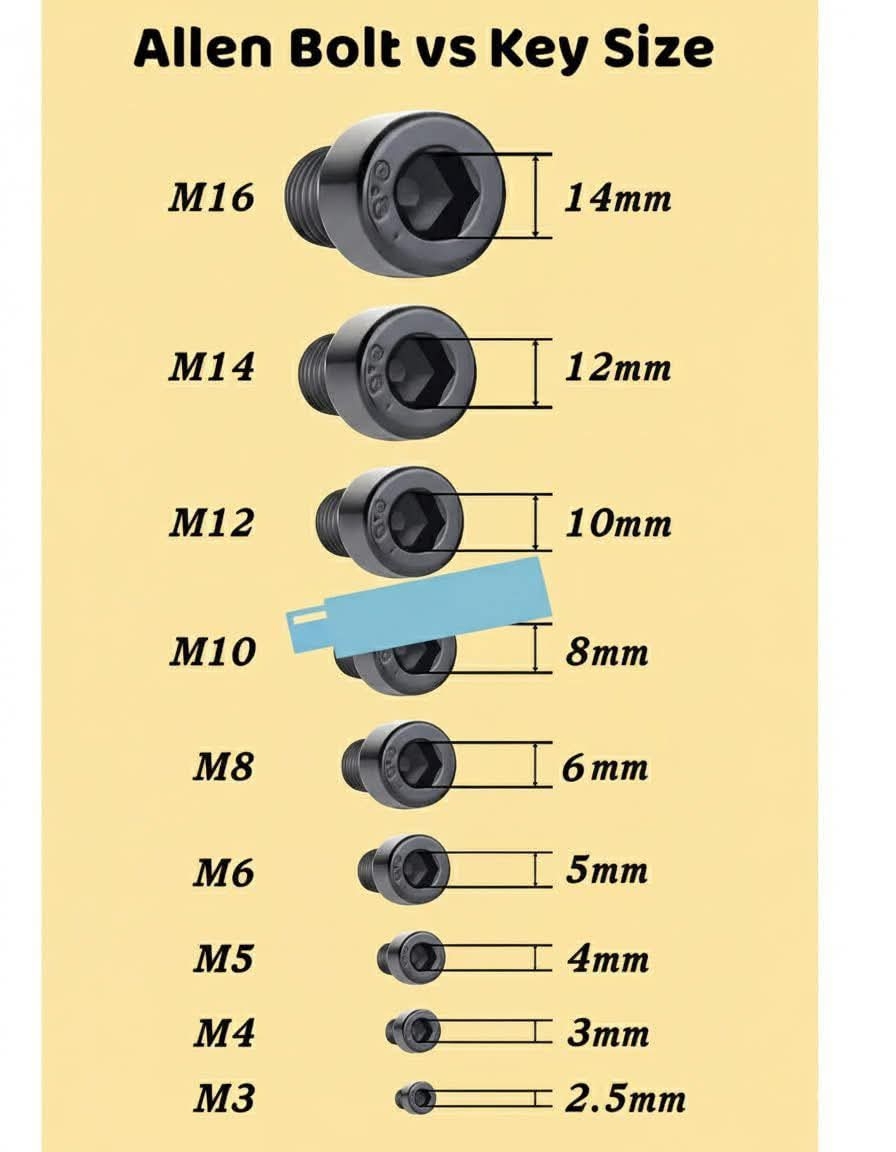
  • Allen bolts (Hex bolts) are tightened using a hex key (Allen key). For proper fastening, the key size must perfectly match the bolt head. Using the wrong size can round the head, damage the tool, and reduce tightening accuracy.

    Key Points to Know:

    Each Allen bolt has a specific internal hex dimension.

    Always use the exact key size, especially in high-torque areas.

    Avoid worn or rounded keys to maintain grip.

    A correct fit ensures clean torque transfer and longer bolt life.

    Professional Tip:
    If a bolt head begins to round, stop immediately. Switch to a fresh, sharp hex key or use penetrating oil before re-tightening. Prevention is always easier than extraction.

    #AllenBolt #HexKey #MechanicalFasteners
    Allen bolts (Hex bolts) are tightened using a hex key (Allen key). For proper fastening, the key size must perfectly match the bolt head. Using the wrong size can round the head, damage the tool, and reduce tightening accuracy. Key Points to Know: Each Allen bolt has a specific internal hex dimension. Always use the exact key size, especially in high-torque areas. Avoid worn or rounded keys to maintain grip. A correct fit ensures clean torque transfer and longer bolt life. Professional Tip: If a bolt head begins to round, stop immediately. Switch to a fresh, sharp hex key or use penetrating oil before re-tightening. Prevention is always easier than extraction. #AllenBolt #HexKey #MechanicalFasteners
    0 Commentarii 0 Distribuiri 4K Views
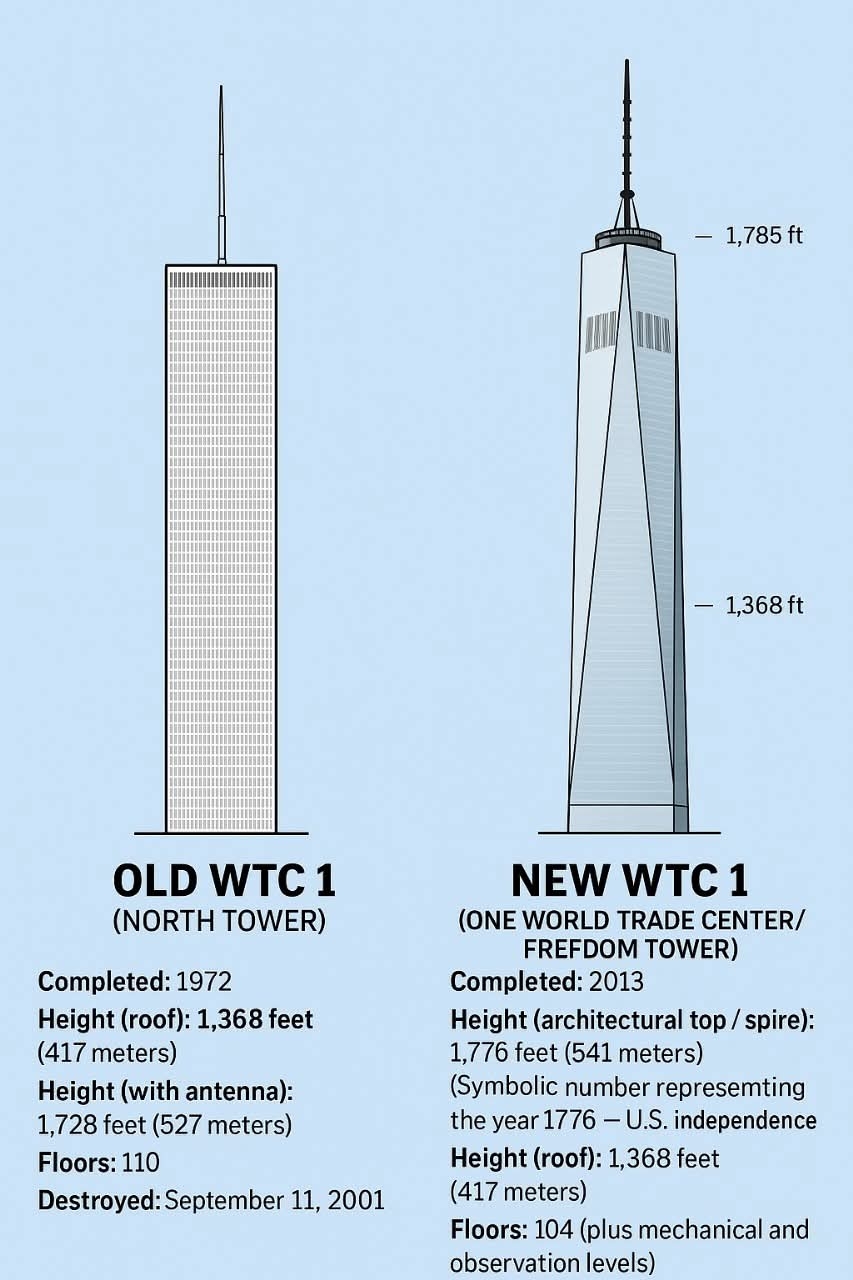
  • Here’s a clear comparison between the old World Trade Center (WTC 1) and the new One World Trade Center (often called the Freedom Tower):

    🏙 Old WTC 1 (North Tower)

    Official Name: World Trade Center 1 (North Tower)

    Completed: 1972

    Height (roof): 1,368 feet (417 meters)

    Height (with antenna): 1,728 feet (527 meters)

    Floors: 110

    Destroyed: September 11, 2001

    New WTC 1 (One World Trade Center / Freedom Tower)

    Completed: 2013

    Height (architectural top / spire): 1,776 feet (541 meters)
    (Symbolic number representing the year 1776 — U.S. independence)

    Height (roof): 1,368 feet (417 meters) — the same as the old North Tower’s roof height.

    Floors: 104 (plus mechanical and observation levels)

    Quick Summary:

    Both towers reach 1,368 ft to the roof, but the new WTC 1’s spire makes it the tallest building in the Western Hemisphere at 1,776 ft.

    The old North Tower was slightly shorter if you compare total height (its antenna wasn’t part of the official architectural height).
    Here’s a clear comparison between the old World Trade Center (WTC 1) and the new One World Trade Center (often called the Freedom Tower): 🏙 Old WTC 1 (North Tower) Official Name: World Trade Center 1 (North Tower) Completed: 1972 Height (roof): 1,368 feet (417 meters) Height (with antenna): 1,728 feet (527 meters) Floors: 110 Destroyed: September 11, 2001 🗽 New WTC 1 (One World Trade Center / Freedom Tower) Completed: 2013 Height (architectural top / spire): 1,776 feet (541 meters) (Symbolic number representing the year 1776 — U.S. independence) Height (roof): 1,368 feet (417 meters) — the same as the old North Tower’s roof height. Floors: 104 (plus mechanical and observation levels) ✅ Quick Summary: Both towers reach 1,368 ft to the roof, but the new WTC 1’s spire makes it the tallest building in the Western Hemisphere at 1,776 ft. The old North Tower was slightly shorter if you compare total height (its antenna wasn’t part of the official architectural height).
    0 Commentarii 0 Distribuiri 2K Views
Sponsorizeaza Paginile