• Robert Downey Jr. photographed after being sentenced to 3 years in prison for possession of cocaine, heroin and a gun, 1999.

    In 1999, actor Robert Downey Jr. appeared in court wearing an orange jumpsuit, his once-glamorous career in ruins. The photo captured the lowest point of a man once hailed as one of Hollywood’s most gifted talents. After a string of arrests for drug possession in the late 1990s, Downey was sentenced to three years in prison following multiple violations of his probation.

    His descent mirrored a decade of personal chaos, addiction, relapses, and tabloid scrutiny that made him a cautionary tale about fame and self-destruction. But it wasn’t the end. After serving his sentence and struggling through recovery, Downey returned to acting in the early 2000s, rebuilding his reputation role by role.

    Less than a decade after this photo, he would reemerge as Tony Stark in Iron Man (2008), launching the Marvel Cinematic Universe and one of the greatest career comebacks in Hollywood history.

    Added Fact: In 2008, Time magazine named Robert Downey Jr. one of the 100 most influential people in the world — less than ten years after his release from prison.
    Robert Downey Jr. photographed after being sentenced to 3 years in prison for possession of cocaine, heroin and a gun, 1999. In 1999, actor Robert Downey Jr. appeared in court wearing an orange jumpsuit, his once-glamorous career in ruins. The photo captured the lowest point of a man once hailed as one of Hollywood’s most gifted talents. After a string of arrests for drug possession in the late 1990s, Downey was sentenced to three years in prison following multiple violations of his probation. His descent mirrored a decade of personal chaos, addiction, relapses, and tabloid scrutiny that made him a cautionary tale about fame and self-destruction. But it wasn’t the end. After serving his sentence and struggling through recovery, Downey returned to acting in the early 2000s, rebuilding his reputation role by role. Less than a decade after this photo, he would reemerge as Tony Stark in Iron Man (2008), launching the Marvel Cinematic Universe and one of the greatest career comebacks in Hollywood history. Added Fact: In 2008, Time magazine named Robert Downey Jr. one of the 100 most influential people in the world — less than ten years after his release from prison.
    0 التعليقات 0 المشاركات 4279 مشاهدة
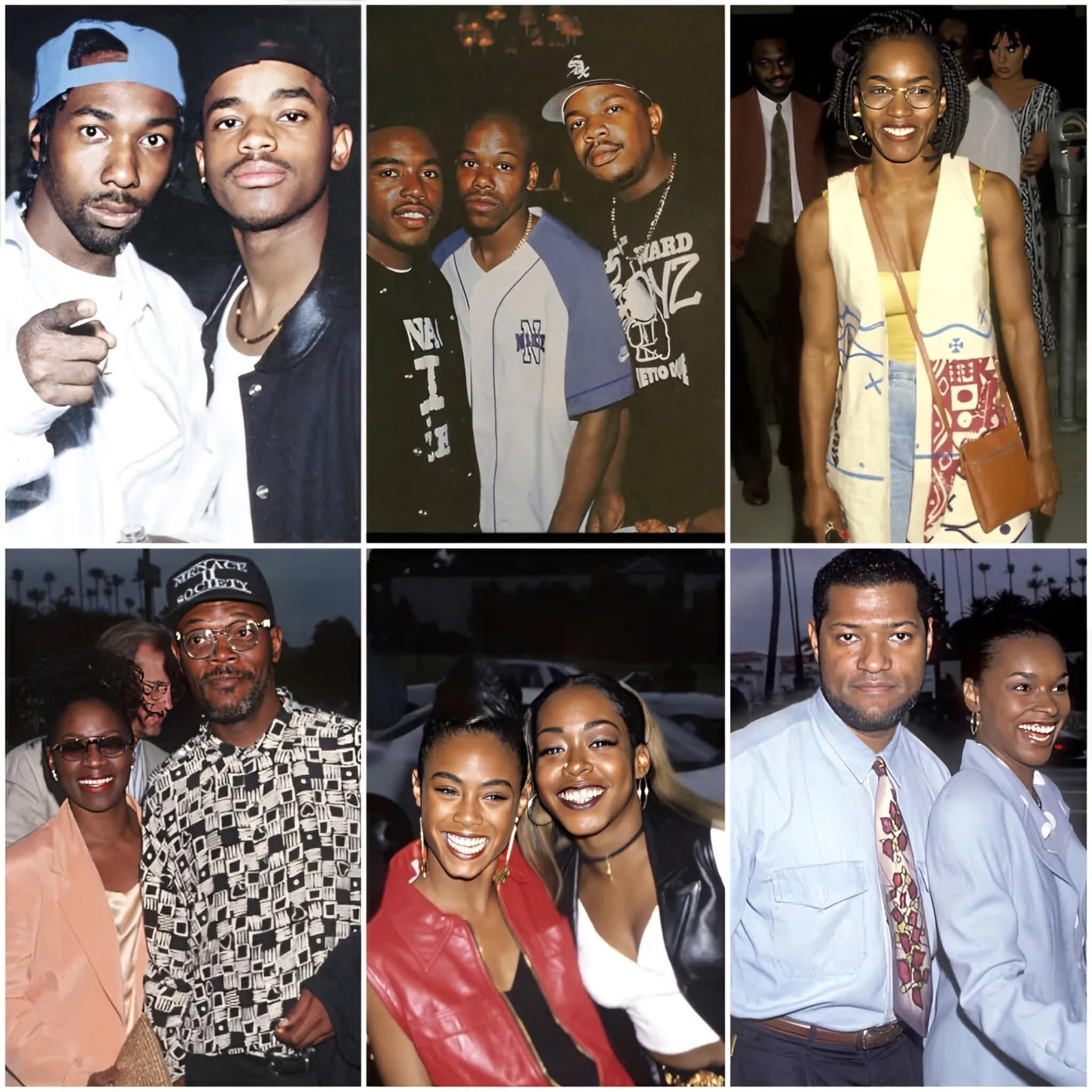
  • Premiere of “Menace ll Society” (1993) in Beverly Hills, California.
    Directed by brothers Allen and Albert Hughes
    Photographed by Ron Galella

    _________________________________
    #menace2society
    #90s #hughesbrothers
    #90sthrowback
    Premiere of “Menace ll Society” (1993) in Beverly Hills, California. Directed by brothers Allen and Albert Hughes Photographed by Ron Galella _________________________________ #menace2society #90s #hughesbrothers #90sthrowback
    0 التعليقات 0 المشاركات 6040 مشاهدة
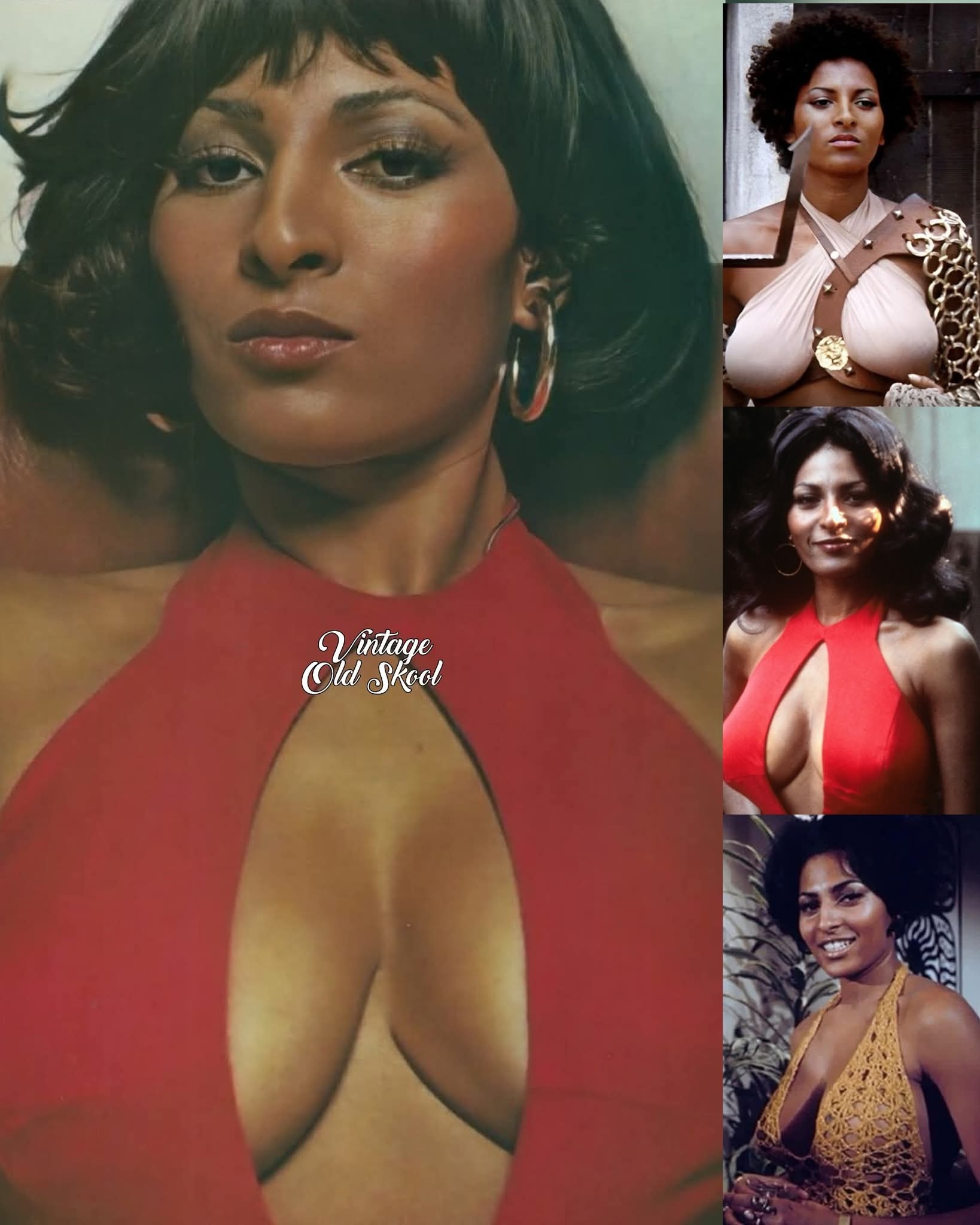
  • The captivating Pam Grier, photographed in 1974, continues to command attention fifty+ years later.
    The captivating Pam Grier, photographed in 1974, continues to command attention fifty+ years later.
    0 التعليقات 0 المشاركات 1630 مشاهدة
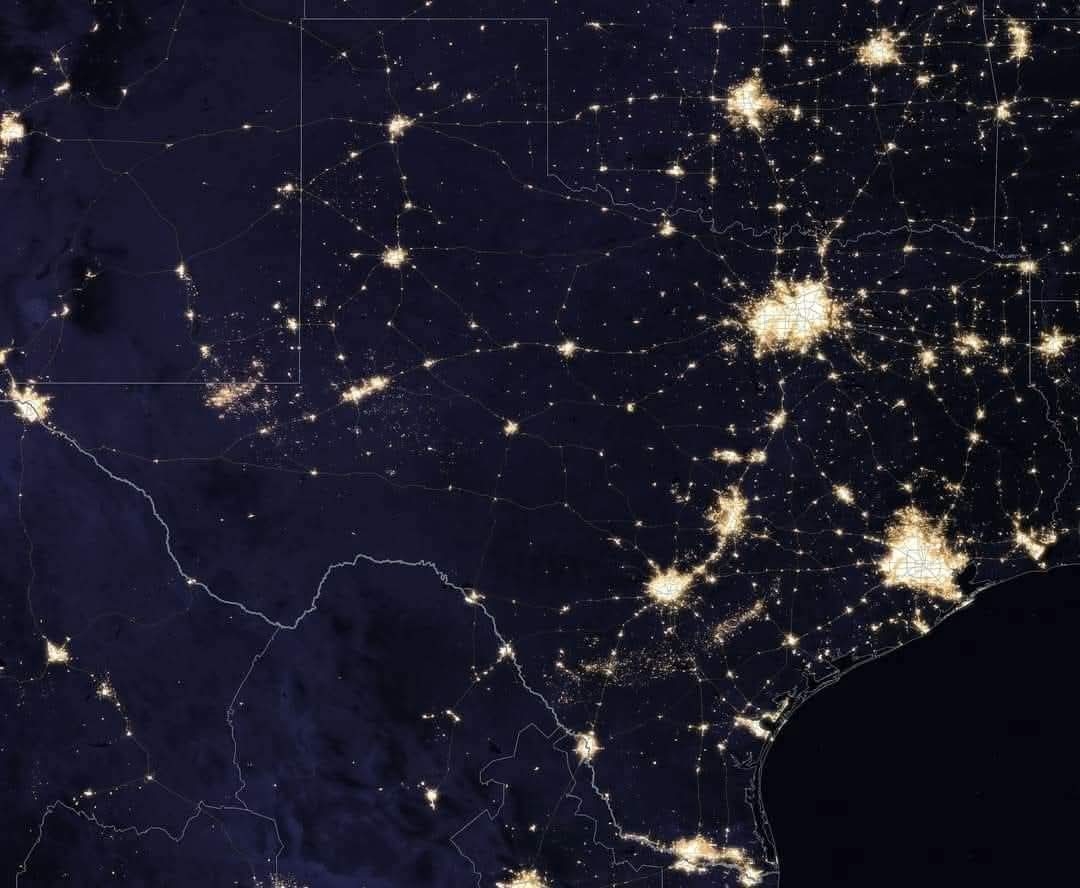
  • The entire state of Texas as photographed by NASA from space, 2018. This is a fascinating image to look at if you're at all familiar with Texas geography. Not only can you see all of the major cities but even towns like Temple-Killeen, Midland-Odessa ... even small towns like Monahans, Alpine, Marfa etc.. The Eagle Ford can also clearly be seen. But what blows me away is the lights in the area around Pecos. The lights aren't quite as intense as they are in Midland-Odessa (immediately to the east of Pecos) but the area is at least as big, perhaps bigger. Amazing. Fortunately, with the exception of Presidio, the Big Bend remains dark. May it ever be so!
    The entire state of Texas as photographed by NASA from space, 2018. This is a fascinating image to look at if you're at all familiar with Texas geography. Not only can you see all of the major cities but even towns like Temple-Killeen, Midland-Odessa ... even small towns like Monahans, Alpine, Marfa etc.. The Eagle Ford can also clearly be seen. But what blows me away is the lights in the area around Pecos. The lights aren't quite as intense as they are in Midland-Odessa (immediately to the east of Pecos) but the area is at least as big, perhaps bigger. Amazing. Fortunately, with the exception of Presidio, the Big Bend remains dark. May it ever be so!
    0 التعليقات 0 المشاركات 2537 مشاهدة
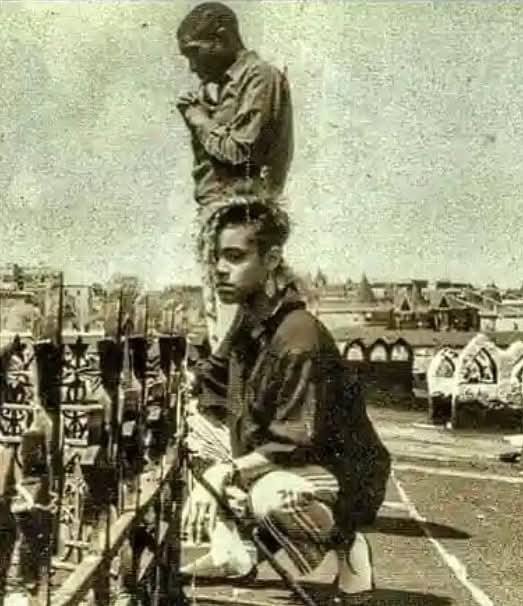
  • A reflective photograph of artists Tupac Shakur and Jada Pinkett Smith on top of the Baltimore high-rises in 1988. In 1991 Shakur released his first album "2Pacalypse Now" which went gold and introduced the classic urban song "Brenda's Got a Baby" He wrote the powerful song while filming his first feature film Juice, after reading a newspaper article about a 12-year-old girl who became pregnant by her cousin and threw the baby into a trash compactor.

    In 1993 Jada Pinkett Smith went on to star in the urban film Menace II Society. In a recent interview Jada Pickett said of her late friend “There’s not a day that goes by that I don’t think about Tupac, I think about him every single day.” This photograph depicts the dreams, ambitions and perseverance of two amazing and talented artists frozen in time for all to see.
    A reflective photograph of artists Tupac Shakur and Jada Pinkett Smith on top of the Baltimore high-rises in 1988. In 1991 Shakur released his first album "2Pacalypse Now" which went gold and introduced the classic urban song "Brenda's Got a Baby" He wrote the powerful song while filming his first feature film Juice, after reading a newspaper article about a 12-year-old girl who became pregnant by her cousin and threw the baby into a trash compactor. In 1993 Jada Pinkett Smith went on to star in the urban film Menace II Society. In a recent interview Jada Pickett said of her late friend “There’s not a day that goes by that I don’t think about Tupac, I think about him every single day.” This photograph depicts the dreams, ambitions and perseverance of two amazing and talented artists frozen in time for all to see.
    0 التعليقات 0 المشاركات 4895 مشاهدة
  • Tracee Ellis Ross is an #actress Born in #LosAngeles #California.
    #Celebrity #fyp #photograph
    Tracee Ellis Ross is an #actress Born in #LosAngeles #California. #Celebrity #fyp #photograph
    0 التعليقات 0 المشاركات 8231 مشاهدة
  • https://www.thedailybeast.com/obsessed/denzel-washington-snaps-at-pushy-photographer-on-cannes-red-carpet/?source=TDB&utm_campaign=owned_social&via=FB_Page&utm_source=facebook_owned_tdb&utm_medium=socialflow&fbclid=IwZXh0bgNhZW0CMTEAAR7gZjS2W3v2DZcz2Ob0DLbT2zrXP3xZjWrTLUzJUr-HsxFG0Gz-YcAuVNAKNg_aem_CDTJ6SK18h3On1OgiSMHdg
    https://www.thedailybeast.com/obsessed/denzel-washington-snaps-at-pushy-photographer-on-cannes-red-carpet/?source=TDB&utm_campaign=owned_social&via=FB_Page&utm_source=facebook_owned_tdb&utm_medium=socialflow&fbclid=IwZXh0bgNhZW0CMTEAAR7gZjS2W3v2DZcz2Ob0DLbT2zrXP3xZjWrTLUzJUr-HsxFG0Gz-YcAuVNAKNg_aem_CDTJ6SK18h3On1OgiSMHdg
    WWW.THEDAILYBEAST.COM
    Denzel Washington Snaps at Pushy Photographer at Cannes
    The photographer reportedly grabbed the actor to get his attention.
    0 التعليقات 0 المشاركات 1895 مشاهدة
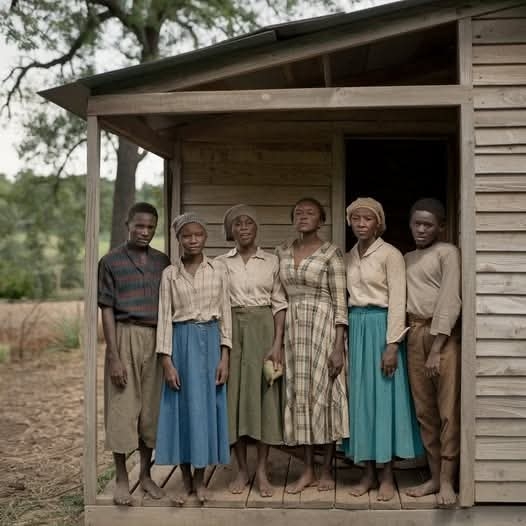
  • A Glimpse into the Hardships of Troup County Sharecroppers in 1930
    In a photograph taken around 1930, a powerful image captures a family of sharecroppers standing outside their one-room, cabin-style home in Troup County, Georgia. This evocative picture, now preserved in the National Archives, offers a window into the challenging living conditions faced by countless families in the rural South during the throes of the Great Depression. The modest structure, a cabin with simple wooden walls and a small porch, symbolizes the persistence and resilience of a lifestyle forged in hardship.
    During this period, sharecropping dominated the agricultural landscape of the American South. Under this system, landowners provided land, tools, and seeds to farmers, who, in return, agreed to cultivate the fields and share a portion of their harvest as payment. For many families like the one captured in this image, life was a constant balancing act. They were tied to land they did not own, eking out an existence on thin margins, and often finding themselves in cycles of debt and dependency.
    The expressions of the family members in this photograph are a study in strength and stoicism. Their clothing, simple and well-worn, and their postures speak of long days spent laboring under the Georgia sun. Yet, amidst the signs of weariness, there is a distinct air of determination and pride in their faces. Despite the hardships they faced, the family exudes a quiet dignity that underscores the perseverance required to navigate such trying circumstances.
    The one-room cabin that looms behind them, small yet sturdy, provides a glimpse of what home meant for sharecropping families. These homes, often hastily built and minimally equipped, were a far cry from comfort. Still, they served as a refuge and symbol of family solidarity, a place where life continued against all odds.
    Photographs like this one do more than merely document history; they tell the stories of the individuals who experienced it. The image of the Troup County family is a stark and vivid reminder of the impact the Great Depression had on rural communities. Beyond the statistics of economic downturns and market crashes lies the reality of everyday lives spent in quiet struggle and perseverance.

    A Glimpse into the Hardships of Troup County Sharecroppers in 1930 In a photograph taken around 1930, a powerful image captures a family of sharecroppers standing outside their one-room, cabin-style home in Troup County, Georgia. This evocative picture, now preserved in the National Archives, offers a window into the challenging living conditions faced by countless families in the rural South during the throes of the Great Depression. The modest structure, a cabin with simple wooden walls and a small porch, symbolizes the persistence and resilience of a lifestyle forged in hardship. During this period, sharecropping dominated the agricultural landscape of the American South. Under this system, landowners provided land, tools, and seeds to farmers, who, in return, agreed to cultivate the fields and share a portion of their harvest as payment. For many families like the one captured in this image, life was a constant balancing act. They were tied to land they did not own, eking out an existence on thin margins, and often finding themselves in cycles of debt and dependency. The expressions of the family members in this photograph are a study in strength and stoicism. Their clothing, simple and well-worn, and their postures speak of long days spent laboring under the Georgia sun. Yet, amidst the signs of weariness, there is a distinct air of determination and pride in their faces. Despite the hardships they faced, the family exudes a quiet dignity that underscores the perseverance required to navigate such trying circumstances. The one-room cabin that looms behind them, small yet sturdy, provides a glimpse of what home meant for sharecropping families. These homes, often hastily built and minimally equipped, were a far cry from comfort. Still, they served as a refuge and symbol of family solidarity, a place where life continued against all odds. Photographs like this one do more than merely document history; they tell the stories of the individuals who experienced it. The image of the Troup County family is a stark and vivid reminder of the impact the Great Depression had on rural communities. Beyond the statistics of economic downturns and market crashes lies the reality of everyday lives spent in quiet struggle and perseverance.

    0 التعليقات 0 المشاركات 2919 مشاهدة
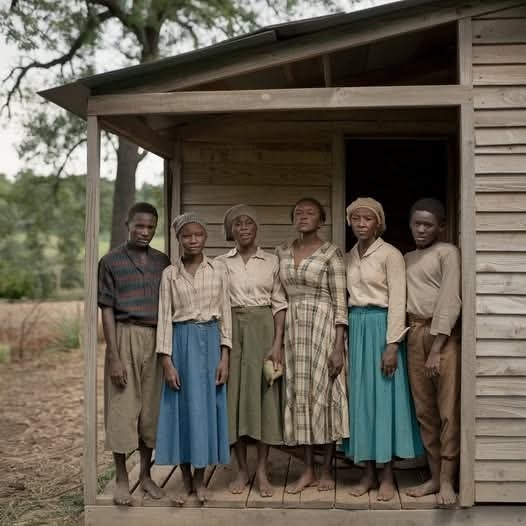
  • A Glimpse into the Hardships of Troup County Sharecroppers in 1930
    In a photograph taken around 1930, a powerful image captures a family of sharecroppers standing outside their one-room, cabin-style home in Troup County, Georgia. This evocative picture, now preserved in the National Archives, offers a window into the challenging living conditions faced by countless families in the rural South during the throes of the Great Depression. The modest structure, a cabin with simple wooden walls and a small porch, symbolizes the persistence and resilience of a lifestyle forged in hardship.
    During this period, sharecropping dominated the agricultural landscape of the American South. Under this system, landowners provided land, tools, and seeds to farmers, who, in return, agreed to cultivate the fields and share a portion of their harvest as payment. For many families like the one captured in this image, life was a constant balancing act. They were tied to land they did not own, eking out an existence on thin margins, and often finding themselves in cycles of debt and dependency.
    The expressions of the family members in this photograph are a study in strength and stoicism. Their clothing, simple and well-worn, and their postures speak of long days spent laboring under the Georgia sun. Yet, amidst the signs of weariness, there is a distinct air of determination and pride in their faces. Despite the hardships they faced, the family exudes a quiet dignity that underscores the perseverance required to navigate such trying circumstances.
    The one-room cabin that looms behind them, small yet sturdy, provides a glimpse of what home meant for sharecropping families. These homes, often hastily built and minimally equipped, were a far cry from comfort. Still, they served as a refuge and symbol of family solidarity, a place where life continued against all odds.
    Photographs like this one do more than merely document history; they tell the stories of the individuals who experienced it. The image of the Troup County family is a stark and vivid reminder of the impact the Great Depression had on rural communities. Beyond the statistics of economic downturns and market crashes lies the reality of everyday lives spent in quiet struggle and perseverance.

    A Glimpse into the Hardships of Troup County Sharecroppers in 1930 In a photograph taken around 1930, a powerful image captures a family of sharecroppers standing outside their one-room, cabin-style home in Troup County, Georgia. This evocative picture, now preserved in the National Archives, offers a window into the challenging living conditions faced by countless families in the rural South during the throes of the Great Depression. The modest structure, a cabin with simple wooden walls and a small porch, symbolizes the persistence and resilience of a lifestyle forged in hardship. During this period, sharecropping dominated the agricultural landscape of the American South. Under this system, landowners provided land, tools, and seeds to farmers, who, in return, agreed to cultivate the fields and share a portion of their harvest as payment. For many families like the one captured in this image, life was a constant balancing act. They were tied to land they did not own, eking out an existence on thin margins, and often finding themselves in cycles of debt and dependency. The expressions of the family members in this photograph are a study in strength and stoicism. Their clothing, simple and well-worn, and their postures speak of long days spent laboring under the Georgia sun. Yet, amidst the signs of weariness, there is a distinct air of determination and pride in their faces. Despite the hardships they faced, the family exudes a quiet dignity that underscores the perseverance required to navigate such trying circumstances. The one-room cabin that looms behind them, small yet sturdy, provides a glimpse of what home meant for sharecropping families. These homes, often hastily built and minimally equipped, were a far cry from comfort. Still, they served as a refuge and symbol of family solidarity, a place where life continued against all odds. Photographs like this one do more than merely document history; they tell the stories of the individuals who experienced it. The image of the Troup County family is a stark and vivid reminder of the impact the Great Depression had on rural communities. Beyond the statistics of economic downturns and market crashes lies the reality of everyday lives spent in quiet struggle and perseverance.

    0 التعليقات 0 المشاركات 2970 مشاهدة