


• This engraving depicts a scene from the Haitian Revolution (1791–1804), specifically titled "Revenge taken by the Black Army for the cruelties practiced on them by the French".

    The image portrays members of the Black Army—a force of formerly enslaved people and free people of color—executing French officers by hanging.

    The revolution was characterized by extreme violence on both sides.

    This particular scene was a direct response to the atrocities committed by French forces under General Charles Leclerc and General Rochambeau, who attempted to restore slavery and French control over the colony then known as Saint-Domingue.

    The artwork was created by Marcus Rainsford and published in 1805 in his book, An Historical Account of the Black Empire of Hayti.
    Rainsford, a former British captain, documented the revolution's events and provided some of the earliest visual records of the conflict.

    The image symbolizes the shift in power during the later stages of the revolution when the Black Army, led by figures like Jean-Jacques Dessalines, successfully repelled Napoleon Bonaparte's massive expeditionary force.

    The revolution began in August 1791 as a mass uprising of enslaved people inspired by the ideals of the French Revolution.

    It is widely regarded as the most successful slave rebellion in history, resulting in the permanent abolition of slavery and the establishment of Haiti as the world's first independent Black-led republic in 1804.
    This engraving depicts a scene from the Haitian Revolution (1791–1804), specifically titled "Revenge taken by the Black Army for the cruelties practiced on them by the French". The image portrays members of the Black Army—a force of formerly enslaved people and free people of color—executing French officers by hanging. The revolution was characterized by extreme violence on both sides. This particular scene was a direct response to the atrocities committed by French forces under General Charles Leclerc and General Rochambeau, who attempted to restore slavery and French control over the colony then known as Saint-Domingue. The artwork was created by Marcus Rainsford and published in 1805 in his book, An Historical Account of the Black Empire of Hayti. Rainsford, a former British captain, documented the revolution's events and provided some of the earliest visual records of the conflict. The image symbolizes the shift in power during the later stages of the revolution when the Black Army, led by figures like Jean-Jacques Dessalines, successfully repelled Napoleon Bonaparte's massive expeditionary force. The revolution began in August 1791 as a mass uprising of enslaved people inspired by the ideals of the French Revolution. It is widely regarded as the most successful slave rebellion in history, resulting in the permanent abolition of slavery and the establishment of Haiti as the world's first independent Black-led republic in 1804.
    0 Comments 0 Shares 2536 Views
  • Did you know that Cuba had a policy to "Whiten" the African population? This is a very deep article that deals with 5 Countries that deliberately brought Europeans into their country to lighten the complexion of the people in many cases. Many of us don't know this aspect of history.

    "After the trans-Atlantic slave trade was officially abolished toward the end of the 19th century, many whites felt threatened and feared free Blacks would become a menacing element in society. The elites spent a great dealing of time mulling over how best to solve the so-called Negro problem. A popular solution that emerged during this period was the ideology of racial whitening or “whitening"."

    "Supporters of the “whitening” ideology believed that if a “superior” white population was encouraged to mix with an “inferior” Black population, Blacks would advance culturally, genetically or even disappear totally, within several generations. Some also believed that an influx of immigrants from Europe would be necessary to successfully carry out the process."

    Although both ideologies were driven by racism and white supremacy, whitening was in contrast to some countries that opted for segregation rather than miscegenation, ultimately outlawing the mixing of the races. This, however, was just a different means to the same end as these nations also imported more Europeans while slaughtering and oppressing the Black population.

    SOURCE:

    https://atlantablackstar.com/2014/03/10/5-black-nations-that-imported-europeans-to-whiten-the-population/

    #Africa #AfricanHistory #Cuba #Slavery #TheAHNShow #BlackHistoryMonth #BlackHistory
    Did you know that Cuba had a policy to "Whiten" the African population? This is a very deep article that deals with 5 Countries that deliberately brought Europeans into their country to lighten the complexion of the people in many cases. Many of us don't know this aspect of history. "After the trans-Atlantic slave trade was officially abolished toward the end of the 19th century, many whites felt threatened and feared free Blacks would become a menacing element in society. The elites spent a great dealing of time mulling over how best to solve the so-called Negro problem. A popular solution that emerged during this period was the ideology of racial whitening or “whitening"." "Supporters of the “whitening” ideology believed that if a “superior” white population was encouraged to mix with an “inferior” Black population, Blacks would advance culturally, genetically or even disappear totally, within several generations. Some also believed that an influx of immigrants from Europe would be necessary to successfully carry out the process." Although both ideologies were driven by racism and white supremacy, whitening was in contrast to some countries that opted for segregation rather than miscegenation, ultimately outlawing the mixing of the races. This, however, was just a different means to the same end as these nations also imported more Europeans while slaughtering and oppressing the Black population. SOURCE: https://atlantablackstar.com/2014/03/10/5-black-nations-that-imported-europeans-to-whiten-the-population/ #Africa #AfricanHistory #Cuba #Slavery #TheAHNShow #BlackHistoryMonth #BlackHistory
    0 Comments 0 Shares 5285 Views
  • Few people know that Brazil has the largest population of black people outside of the African continent. In fact, it is the second largest “Black nation” after Nigeria, with over 100 million Black people.

    Yet, there is little information in the media outside of the country about this group, specifically, information about the history of Africans in the country that defined and continues to define the affairs of black people globally. For example, the country’s Malê Revolt in its province of Bahia in 1835 is not only considered the most important revolt in Brazillian history but it is believed to have been instrumental in bringing an end to the international slave trade in the country.

    Historians say that on the night of January 24 to 25, 1835, African-born slaves and freed-people in the northeastern Brazilian city of Salvador da Bahia carried out a rebellion to liberate themselves from slavery and create an Islamic homeland. The group of some six hundred Yoruba, Nupe, Kanuri and Hausa people from present-day Nigeria were led by Muslim leaders, having heard of and being inspired by the Haitian Revolution (1791−1804).

    SOURCE: Face2FaceAfrica

    https://face2faceafrica.com/article/how-enslaved-nigerians-in-brazil-helped-usher-in-the-end-of-international-slave-trade-in-1835

    #Brazil #Nigeria #African #AfricanHistory #Yoruba #Hausa #Slavery #Haiti #HaitiRevolution
    Few people know that Brazil has the largest population of black people outside of the African continent. In fact, it is the second largest “Black nation” after Nigeria, with over 100 million Black people. Yet, there is little information in the media outside of the country about this group, specifically, information about the history of Africans in the country that defined and continues to define the affairs of black people globally. For example, the country’s Malê Revolt in its province of Bahia in 1835 is not only considered the most important revolt in Brazillian history but it is believed to have been instrumental in bringing an end to the international slave trade in the country. Historians say that on the night of January 24 to 25, 1835, African-born slaves and freed-people in the northeastern Brazilian city of Salvador da Bahia carried out a rebellion to liberate themselves from slavery and create an Islamic homeland. The group of some six hundred Yoruba, Nupe, Kanuri and Hausa people from present-day Nigeria were led by Muslim leaders, having heard of and being inspired by the Haitian Revolution (1791−1804). SOURCE: Face2FaceAfrica https://face2faceafrica.com/article/how-enslaved-nigerians-in-brazil-helped-usher-in-the-end-of-international-slave-trade-in-1835 #Brazil #Nigeria #African #AfricanHistory #Yoruba #Hausa #Slavery #Haiti #HaitiRevolution
    0 Comments 0 Shares 5842 Views
  • Vicente Guerrero, Mexico’s first Black president, was a pivotal figure in the country’s history. Born around 1782–1783 in Tixtla, Mexico, to Juan Pedro Guerrero, a free Afro-Mexican freight business manager who initially supported Spanish colonial rule

    and even disowned his son temporarily for joining the independence movement, and María Guadalupe Rodríguez Saldaña (Guadalupe Saldaña), an Indigenous woman who taught him local languages and customs, Guerrero rose from humble, uneducated beginnings to become a national hero.

    He joined the Mexican War of Independence in 1810 under José María Morelos, continued the fight after Morelos’s execution, allied with Agustín de Iturbide to secure independence from Spain in 1821, and later served as Mexico’s second president in 1829. In that brief term, he abolished slavery nationwide through the Guerrero Decree, promoted equality and land reform, and made Mexico a refuge for escaped enslaved people.
    Vicente Guerrero, Mexico’s first Black president, was a pivotal figure in the country’s history. Born around 1782–1783 in Tixtla, Mexico, to Juan Pedro Guerrero, a free Afro-Mexican freight business manager who initially supported Spanish colonial rule and even disowned his son temporarily for joining the independence movement, and María Guadalupe Rodríguez Saldaña (Guadalupe Saldaña), an Indigenous woman who taught him local languages and customs, Guerrero rose from humble, uneducated beginnings to become a national hero. He joined the Mexican War of Independence in 1810 under José María Morelos, continued the fight after Morelos’s execution, allied with Agustín de Iturbide to secure independence from Spain in 1821, and later served as Mexico’s second president in 1829. In that brief term, he abolished slavery nationwide through the Guerrero Decree, promoted equality and land reform, and made Mexico a refuge for escaped enslaved people.
    0 Comments 0 Shares 2661 Views
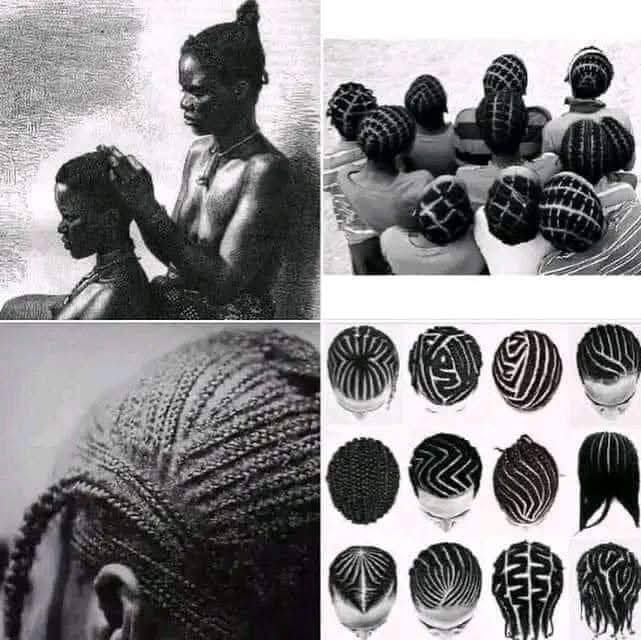
  • Cornrows were used during slavery to help slaves escape. Slaves used cornrows to transport and create maps to flee plantations. It is most documented in Colombia where Benkos Bioho, a king captured from Africa by the Portuguese who escaped slavery, built San Basillio de Palenque, a village in Northern Colombia around the 17th century.
    Cornrows were used during slavery to help slaves escape. Slaves used cornrows to transport and create maps to flee plantations. It is most documented in Colombia where Benkos Bioho, a king captured from Africa by the Portuguese who escaped slavery, built San Basillio de Palenque, a village in Northern Colombia around the 17th century.
    0 Comments 0 Shares 1819 Views
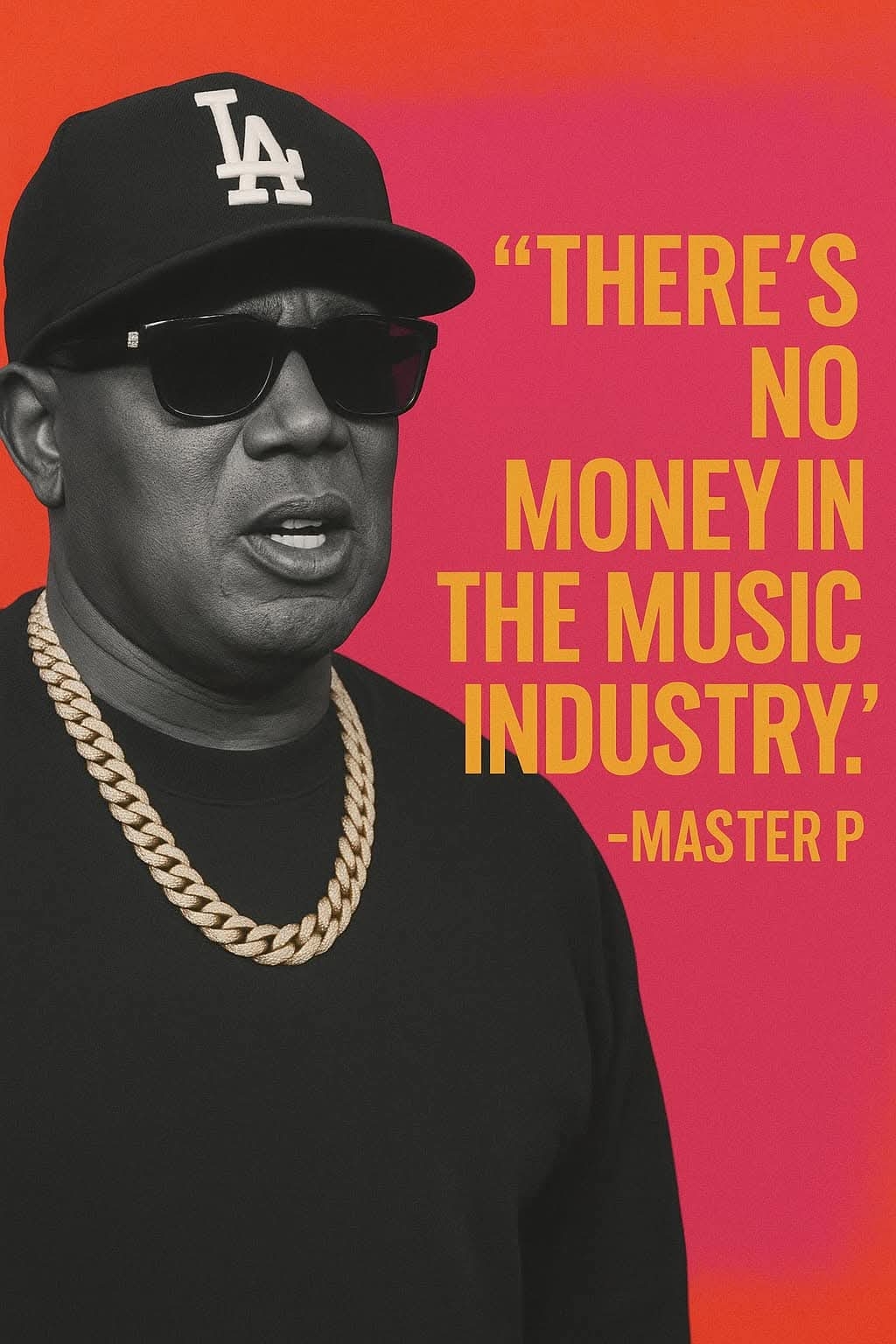
  • “THERE’S NO MONEY IN THE MUSIC INDUSTRY — THAT’S WHY I GOT OUT!”
    - Master P
    It’s not often you hear a music mogul who once built a $200 million empire tell the world that the very business that made him rich is “broke.” But that’s exactly what Master P—founder of No Limit Records and one of hip-hop’s most legendary entrepreneurs—did.

    In a now-viral clip, Master P boldly stated: “There’s no money in the music industry.”

    This is coming from a man who turned down a $1 million check from Interscope at a time when he didn’t even have a car—because he knew his worth. His logic? “If they’re willing to give me that, I’m worth ten times more.”

    Instead of taking the bait, Master P did something that changed the game: he secured an 85/15 distribution deal with Priority Records, where he kept 100% of his master recordings. That move put him in control of his music, his money, and ultimately, his legacy.

    Now, years later, he’s pulling back the curtain on what’s really going on behind the glitz and glam of the music biz:

    “The record labels will throw you an advance, flash some jewelry, maybe even a car… but they own YOU. They own your name, your sound, your image. That ain’t wealth, that’s slavery in diamonds.”

    Master P’s raw message is more relevant now than ever. With streaming services paying fractions of a penny per play, and record labels locking artists into long-term deals with smoke-and-mirror numbers, many rappers—even famous ones—are living paycheck to paycheck.

    In his words, “You need to OWN something. The money is in the brand, not just the bars.”

    His warning comes at a time when young artists are signing away everything for a taste of fame, not realizing the price they’ll eventually pay. “Don’t fall for the chain and the champagne,” P says. “Fall in love with the blueprint.”

    LESSONS FROM MASTER P’S TRUTH BOMB:
    - Don’t sign out of desperation.
    • Always ask, “What’s in it for me long-term?”
    • Learn the business before the business learns you.
    • Ownership > Exposure.
    • Advance money is a loan. Ownership is wealth.

    Master P’s message isn’t bitter—it’s a masterclass. And if you’re an aspiring artist, independent hustler, or just someone dreaming big, here’s the bottom line:

    The music industry doesn’t need another rapper. It needs more owners.

    #MasterP #NoMoneyInMusic #OwnYourMasters #IndependentHustle #HipHopTruth #MusicIndustrySecrets
    “THERE’S NO MONEY IN THE MUSIC INDUSTRY — THAT’S WHY I GOT OUT!” - Master P It’s not often you hear a music mogul who once built a $200 million empire tell the world that the very business that made him rich is “broke.” But that’s exactly what Master P—founder of No Limit Records and one of hip-hop’s most legendary entrepreneurs—did. In a now-viral clip, Master P boldly stated: “There’s no money in the music industry.” This is coming from a man who turned down a $1 million check from Interscope at a time when he didn’t even have a car—because he knew his worth. His logic? “If they’re willing to give me that, I’m worth ten times more.” Instead of taking the bait, Master P did something that changed the game: he secured an 85/15 distribution deal with Priority Records, where he kept 100% of his master recordings. That move put him in control of his music, his money, and ultimately, his legacy. Now, years later, he’s pulling back the curtain on what’s really going on behind the glitz and glam of the music biz: “The record labels will throw you an advance, flash some jewelry, maybe even a car… but they own YOU. They own your name, your sound, your image. That ain’t wealth, that’s slavery in diamonds.” Master P’s raw message is more relevant now than ever. With streaming services paying fractions of a penny per play, and record labels locking artists into long-term deals with smoke-and-mirror numbers, many rappers—even famous ones—are living paycheck to paycheck. In his words, “You need to OWN something. The money is in the brand, not just the bars.” His warning comes at a time when young artists are signing away everything for a taste of fame, not realizing the price they’ll eventually pay. “Don’t fall for the chain and the champagne,” P says. “Fall in love with the blueprint.” LESSONS FROM MASTER P’S TRUTH BOMB: - Don’t sign out of desperation. • Always ask, “What’s in it for me long-term?” • Learn the business before the business learns you. • Ownership > Exposure. • Advance money is a loan. Ownership is wealth. Master P’s message isn’t bitter—it’s a masterclass. And if you’re an aspiring artist, independent hustler, or just someone dreaming big, here’s the bottom line: The music industry doesn’t need another rapper. It needs more owners. #MasterP #NoMoneyInMusic #OwnYourMasters #IndependentHustle #HipHopTruth #MusicIndustrySecrets
    0 Comments 0 Shares 16716 Views