

• The evolution of American 7.62 mm rifles represents a journey from classic wood-stock service rifles to the high-tech, modular precision systems of today. These firearms have served as the backbone for marksmen, snipers, and special forces, proving the enduring power of the .308 caliber.

    A Legacy of American Firepower:

    • M14 (1957): The classic battle rifle that bridged the gap between the M1 Garand and modern platforms.

    • ArmaLite AR-10 (1956): The innovative design that set the stage for the modular rifles we use today.

    • Remington Model 700 (1962): A legendary bolt-action platform synonymous with precision and reliability.

    • M21 (1969) & M25 (1990) Snipers: Specialized evolutions of the M14 designed specifically for the needs of designated marksmen.

    • SR-25 (1990) & M110 SASS (2008): Modern semi-automatic sniper systems that offer rapid follow-up shots with bolt-action accuracy.

    • DPMS Panther (2000) & Ruger SR-762 (2013): Modern sporting and tactical rifles that bring 7.62 mm power to a wider range of missions.
    🇺🇸The evolution of American 7.62 mm rifles represents a journey from classic wood-stock service rifles to the high-tech, modular precision systems of today. These firearms have served as the backbone for marksmen, snipers, and special forces, proving the enduring power of the .308 caliber. A Legacy of American Firepower: • M14 (1957): The classic battle rifle that bridged the gap between the M1 Garand and modern platforms. • ArmaLite AR-10 (1956): The innovative design that set the stage for the modular rifles we use today. • Remington Model 700 (1962): A legendary bolt-action platform synonymous with precision and reliability. • M21 (1969) & M25 (1990) Snipers: Specialized evolutions of the M14 designed specifically for the needs of designated marksmen. • SR-25 (1990) & M110 SASS (2008): Modern semi-automatic sniper systems that offer rapid follow-up shots with bolt-action accuracy. • DPMS Panther (2000) & Ruger SR-762 (2013): Modern sporting and tactical rifles that bring 7.62 mm power to a wider range of missions.
    0 Comments 0 Shares 587 Views
  • "#SnoopDogg Presents: Tha Eastsidaz" is the eponymous debut studio album by #California gangsta rap group #ThaEastsidaz. It was released on February 1, 2000, on Dogghouse Records and TVT Records.
    The album was recorded at Dogghouse Studio, Music Grinder & Skip Saylor Recording, Hollywood, California.
    Executive produced by Snoop Dogg and featured the trio Tha Eastsidaz (Snoop Dogg, #TrayDeee, and #GoldieLoc).
    Key producers included #Battlecat, L.T. Hutton, Meech Wells, Keith Clizark, and #WarrenG.
    Major guest features included #Kokane, #NateDogg, #Xzibit, #JayoFelony, and #ButchCassidy.
    "#SnoopDogg Presents: Tha Eastsidaz" is the eponymous debut studio album by #California gangsta rap group #ThaEastsidaz. ▪️It was released on February 1, 2000, on Dogghouse Records and TVT Records. ▪️The album was recorded at Dogghouse Studio, Music Grinder & Skip Saylor Recording, Hollywood, California. ▪️Executive produced by Snoop Dogg and featured the trio Tha Eastsidaz (Snoop Dogg, #TrayDeee, and #GoldieLoc). ▪️Key producers included #Battlecat, L.T. Hutton, Meech Wells, Keith Clizark, and #WarrenG. ▪️Major guest features included #Kokane, #NateDogg, #Xzibit, #JayoFelony, and #ButchCassidy.
    0 Comments 0 Shares 2616 Views
  • The Los Angeles Pobladores, or “townspeople,” were a group of 44 settlers and four soldiers from Mexico who established the famed city in 1781 in what is now California. The settlers came from various Spanish castes, with over half of the group being of African descent.

    Governor of Las Californias, a Spanish-owned region, Felipe de Neve called on 11 families to help build the new city in the region by recruiting them from Sonora and Sinaloa, Mexico. According to a census record taken at the time, there were two persons of African ancestry, eight Spanish and Black persons, and nine American Indians. There was also one Spanish and Indian person, with the rest being Spaniards.

    According to the efforts of historian William M. Mason, the actual racial makeup of the pobladores was perhaps more racially balanced than not. Mason wrote that of the 44, only two were White, while 26 had some manner of African ancestry and that 16 of the group were “mestizos” or mixed Spanish and Indian people.

    SOURCE: Face2FaceAfrica

    https://face2faceafrica.com/article/los-angeles-pobladores

    #Mexico #LosAngeles #California #Mexican #AfroLatino #AfricanHistory #BlackHistory #TheAHNShow #Spain #AfricanDescent #Spanish
    The Los Angeles Pobladores, or “townspeople,” were a group of 44 settlers and four soldiers from Mexico who established the famed city in 1781 in what is now California. The settlers came from various Spanish castes, with over half of the group being of African descent. Governor of Las Californias, a Spanish-owned region, Felipe de Neve called on 11 families to help build the new city in the region by recruiting them from Sonora and Sinaloa, Mexico. According to a census record taken at the time, there were two persons of African ancestry, eight Spanish and Black persons, and nine American Indians. There was also one Spanish and Indian person, with the rest being Spaniards. According to the efforts of historian William M. Mason, the actual racial makeup of the pobladores was perhaps more racially balanced than not. Mason wrote that of the 44, only two were White, while 26 had some manner of African ancestry and that 16 of the group were “mestizos” or mixed Spanish and Indian people. SOURCE: Face2FaceAfrica https://face2faceafrica.com/article/los-angeles-pobladores #Mexico #LosAngeles #California #Mexican #AfroLatino #AfricanHistory #BlackHistory #TheAHNShow #Spain #AfricanDescent #Spanish
    0 Comments 0 Shares 3140 Views
  • You weaken yourself the moment you argue for your worth, because explanation invites judgment, while quiet results force recalibration, and people adjust their behavior faster to outcomes than to any narrative you offer.
    You weaken yourself the moment you argue for your worth, because explanation invites judgment, while quiet results force recalibration, and people adjust their behavior faster to outcomes than to any narrative you offer.
    0 Comments 0 Shares 360 Views
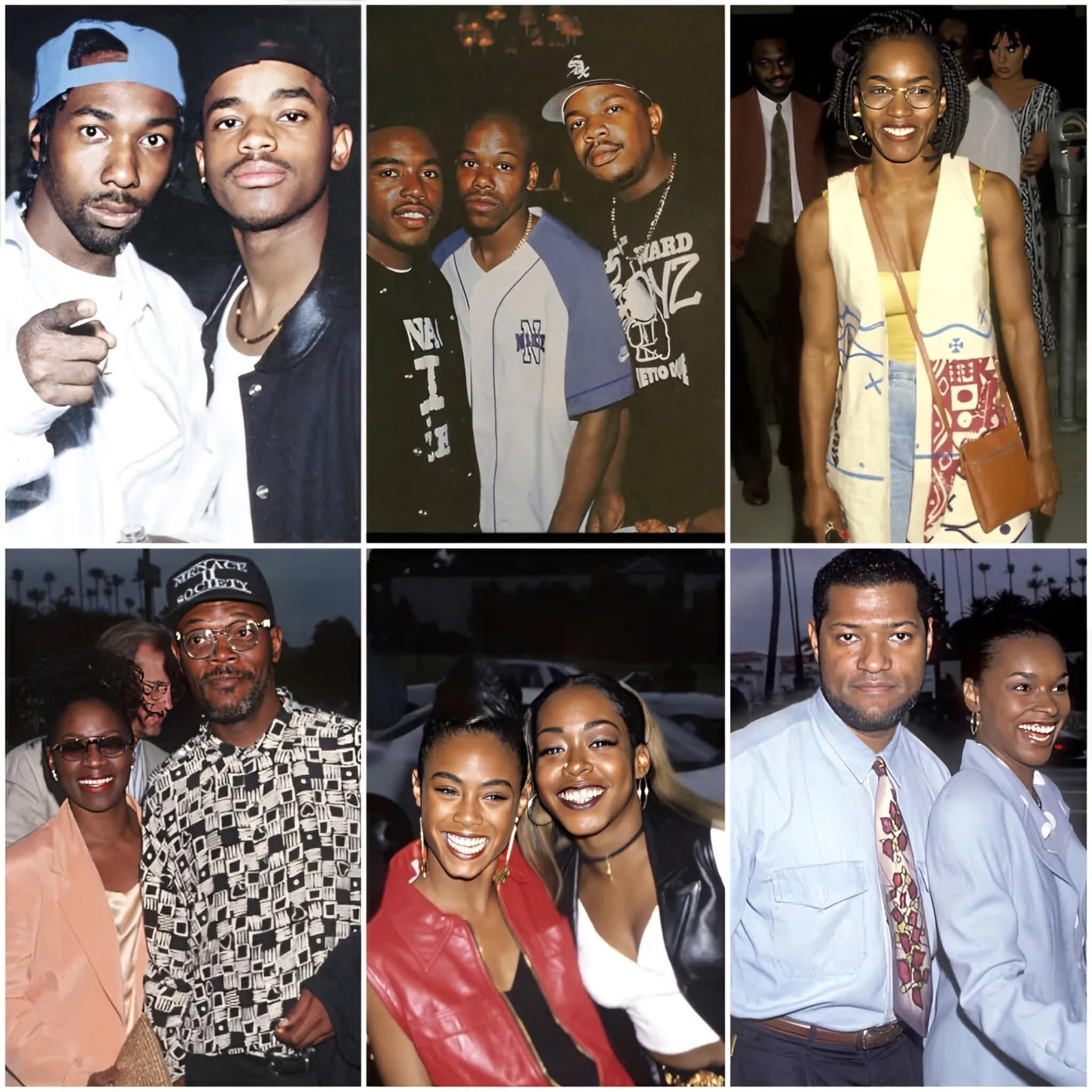
  • Premiere of “Menace ll Society” (1993) in Beverly Hills, California.
    Directed by brothers Allen and Albert Hughes
    Photographed by Ron Galella

    _________________________________
    #menace2society
    #90s #hughesbrothers
    #90sthrowback
    Premiere of “Menace ll Society” (1993) in Beverly Hills, California. Directed by brothers Allen and Albert Hughes Photographed by Ron Galella _________________________________ #menace2society #90s #hughesbrothers #90sthrowback
    0 Comments 0 Shares 6014 Views
  • "Kuruption!" is the debut studio album by #Cali rapper #Kurupt.
    It was released on Antra Records, a label formed after Kurupt left #DeathRowRecords. Released October 6, 1998.
    Producers: #DazDillinger, #DrDre, #Buckshot, #Noreaga, #WarrenG, #Battlecat, #Soopafly, D-Moet, Studio Ton, Dave Hall, #EasyMoBee, Med, RJ Rice, #StevieJ, and Storm.
    Featured Artists:
    Daz Dillinger, Dr. Dre, Slip Capone, Buckshot, Noreaga, and #TrayDeee.
    "Kuruption!" is the debut studio album by #Cali rapper #Kurupt. ▪️It was released on Antra Records, a label formed after Kurupt left #DeathRowRecords. Released October 6, 1998. ▪️Producers: #DazDillinger, #DrDre, #Buckshot, #Noreaga, #WarrenG, #Battlecat, #Soopafly, D-Moet, Studio Ton, Dave Hall, #EasyMoBee, Med, RJ Rice, #StevieJ, and Storm. ▪️Featured Artists: Daz Dillinger, Dr. Dre, Slip Capone, Buckshot, Noreaga, and #TrayDeee.
    0 Comments 0 Shares 10641 Views
  • "Da Game Is to Be Sold, Not to Be Told" is the 3rd studio album by #longbeachcalifornia rapper #SnoopDogg (his first without Doggy in the middle of his name).
    Producer = #MasterP (exec.) #BeatsbythePound #DJPooh Meech Wells, Snoop Dogg, Keith Clizark, #Soopafly
    It was released on August 4, 1998, by #NoLimitRecords and Priority Records. It is his first album following his departure from #DeathRowRecords in January 1998.
    It is the first Snoop Dogg album to have notable affiliates such as #DrDre, #NateDogg, #WarrenG and others absent. It was also his first album to be released under a slight change to his stage name "Snoop Dogg" for contractual reasons.
    "Da Game Is to Be Sold, Not to Be Told" is the 3rd studio album by #longbeachcalifornia rapper #SnoopDogg (his first without Doggy in the middle of his name). ▪️Producer = #MasterP (exec.) #BeatsbythePound #DJPooh Meech Wells, Snoop Dogg, Keith Clizark, #Soopafly ▪️It was released on August 4, 1998, by #NoLimitRecords and Priority Records. It is his first album following his departure from #DeathRowRecords in January 1998. ▪️It is the first Snoop Dogg album to have notable affiliates such as #DrDre, #NateDogg, #WarrenG and others absent. It was also his first album to be released under a slight change to his stage name "Snoop Dogg" for contractual reasons.
    0 Comments 0 Shares 19848 Views
  • "Duces 'n Trayz: The Old Fashioned Way" is the 2nd studio album by #California rap group #ThaEastsidaz, released on July 30, 2001.
    The album features the single "I Luv It" and includes the song "Crip Hop" which was also featured in the film, Baby Boy and the corresponding soundtrack.
    Production from various artists, including #TheAlchemist, #DJBattlecat, FredWreck, #HiTek, #JellyRoll, Meech Wells, #RickRock, Snoop Dogg, and #SwizzBeatz.
    The album also included guest appearances from #BadAzz, Butch Cassidy, Doggy's Angels, Kokane, #Kurupt, #LaToiyaWilliams, Lil' Mo, #NateDogg, #RBX, #SugaFree, #MobbDeep, and #SnoopDogg, among others.
    "Duces 'n Trayz: The Old Fashioned Way" is the 2nd studio album by #California rap group #ThaEastsidaz, released on July 30, 2001. ▪️The album features the single "I Luv It" and includes the song "Crip Hop" which was also featured in the film, Baby Boy and the corresponding soundtrack. ▪️Production from various artists, including #TheAlchemist, #DJBattlecat, FredWreck, #HiTek, #JellyRoll, Meech Wells, #RickRock, Snoop Dogg, and #SwizzBeatz. ▪️The album also included guest appearances from #BadAzz, Butch Cassidy, Doggy's Angels, Kokane, #Kurupt, #LaToiyaWilliams, Lil' Mo, #NateDogg, #RBX, #SugaFree, #MobbDeep, and #SnoopDogg, among others.
    0 Comments 0 Shares 20227 Views
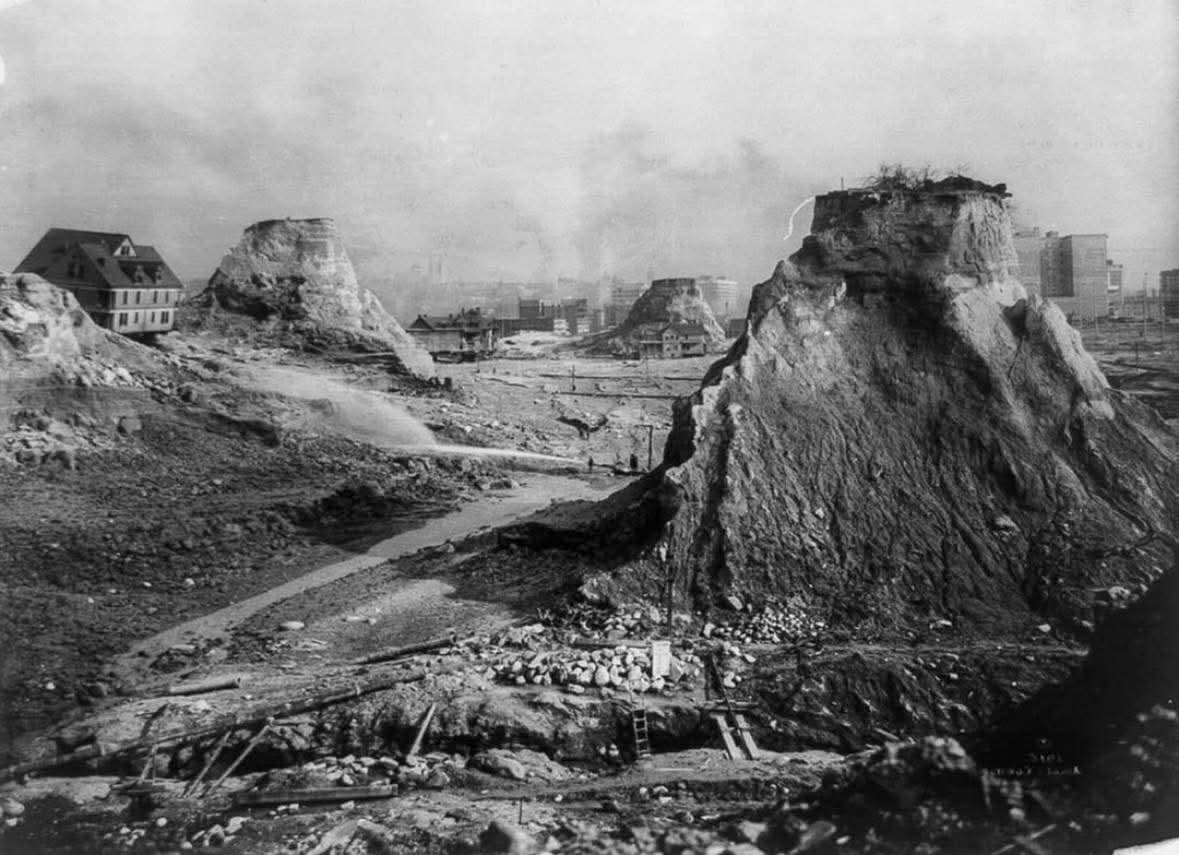
  • Flattening hills to build Seattle, 1905-1930.

    Between 1905 and 1930, Seattle underwent one of the most ambitious urban engineering projects in American history: the regrading of its hills. The city’s steep terrain, while scenic, was seen as a barrier to economic growth and expansion.

    In response, entire hillsides (like Denny Hill, shown in this photo) were systematically flattened using sluicing, where high-pressure water cannons eroded the soil and sent it through massive flumes. The displaced earth was often used to fill in tide flats and create new, flatter land for development.

    What you see in this image are the final remnants of Denny Hill, isolated towers of earth known as “spite mounds,” left standing amid the newly carved landscape.

    The scale of the project was massive, moving millions of cubic yards of earth and permanently reshaping the city.

    Today, much of downtown Seattle sits on land that was once underwater or high above sea level, testament to a bold, if brutal, vision of progress.

    Fun Fact: To flatten Denny Hill, workers used high-powered water jets called "hydraulic monitors”, the same technology used during the California Gold Rush to blast through mountains in search of gold.

    In total, they moved enough earth to fill over 100,000 modern dump trucks. The sheer amount of mud and sediment caused issues too, at one point, streets were left suspended in midair as the ground beneath them was washed away faster than the infrastructure could be updated. Seattle locals joked they needed ladders just to reach their front doors!
    Flattening hills to build Seattle, 1905-1930. Between 1905 and 1930, Seattle underwent one of the most ambitious urban engineering projects in American history: the regrading of its hills. The city’s steep terrain, while scenic, was seen as a barrier to economic growth and expansion. In response, entire hillsides (like Denny Hill, shown in this photo) were systematically flattened using sluicing, where high-pressure water cannons eroded the soil and sent it through massive flumes. The displaced earth was often used to fill in tide flats and create new, flatter land for development. What you see in this image are the final remnants of Denny Hill, isolated towers of earth known as “spite mounds,” left standing amid the newly carved landscape. The scale of the project was massive, moving millions of cubic yards of earth and permanently reshaping the city. Today, much of downtown Seattle sits on land that was once underwater or high above sea level, testament to a bold, if brutal, vision of progress. Fun Fact: To flatten Denny Hill, workers used high-powered water jets called "hydraulic monitors”, the same technology used during the California Gold Rush to blast through mountains in search of gold. In total, they moved enough earth to fill over 100,000 modern dump trucks. The sheer amount of mud and sediment caused issues too, at one point, streets were left suspended in midair as the ground beneath them was washed away faster than the infrastructure could be updated. Seattle locals joked they needed ladders just to reach their front doors!
    0 Comments 0 Shares 6208 Views
  • Buddy Guy, BB King & Junior Wells captured at the Newport Folk Festival in Newport, Rhode Island, in July 1968.

    Buddy Guy: (left) is a highly influential blues guitarist and singer, known for his dynamic performances and impact on rock and blues musicians.

    B.B. King: (center) was an iconic blues guitarist, singer, and songwriter, widely regarded as one of the most influential blues musicians of all time.

    Junior Wells: (right) was a prominent Chicago blues vocalist and harmonica player, known for his powerful amplified harmonica style and fervent vocals.

    David Gahr via the Newport Festivals Foundation collection
    Buddy Guy, BB King & Junior Wells captured at the Newport Folk Festival in Newport, Rhode Island, in July 1968. Buddy Guy: (left) is a highly influential blues guitarist and singer, known for his dynamic performances and impact on rock and blues musicians. B.B. King: (center) was an iconic blues guitarist, singer, and songwriter, widely regarded as one of the most influential blues musicians of all time. Junior Wells: (right) was a prominent Chicago blues vocalist and harmonica player, known for his powerful amplified harmonica style and fervent vocals. 📷 David Gahr via the Newport Festivals Foundation collection
    0 Comments 0 Shares 4111 Views
More Results